









Introduction
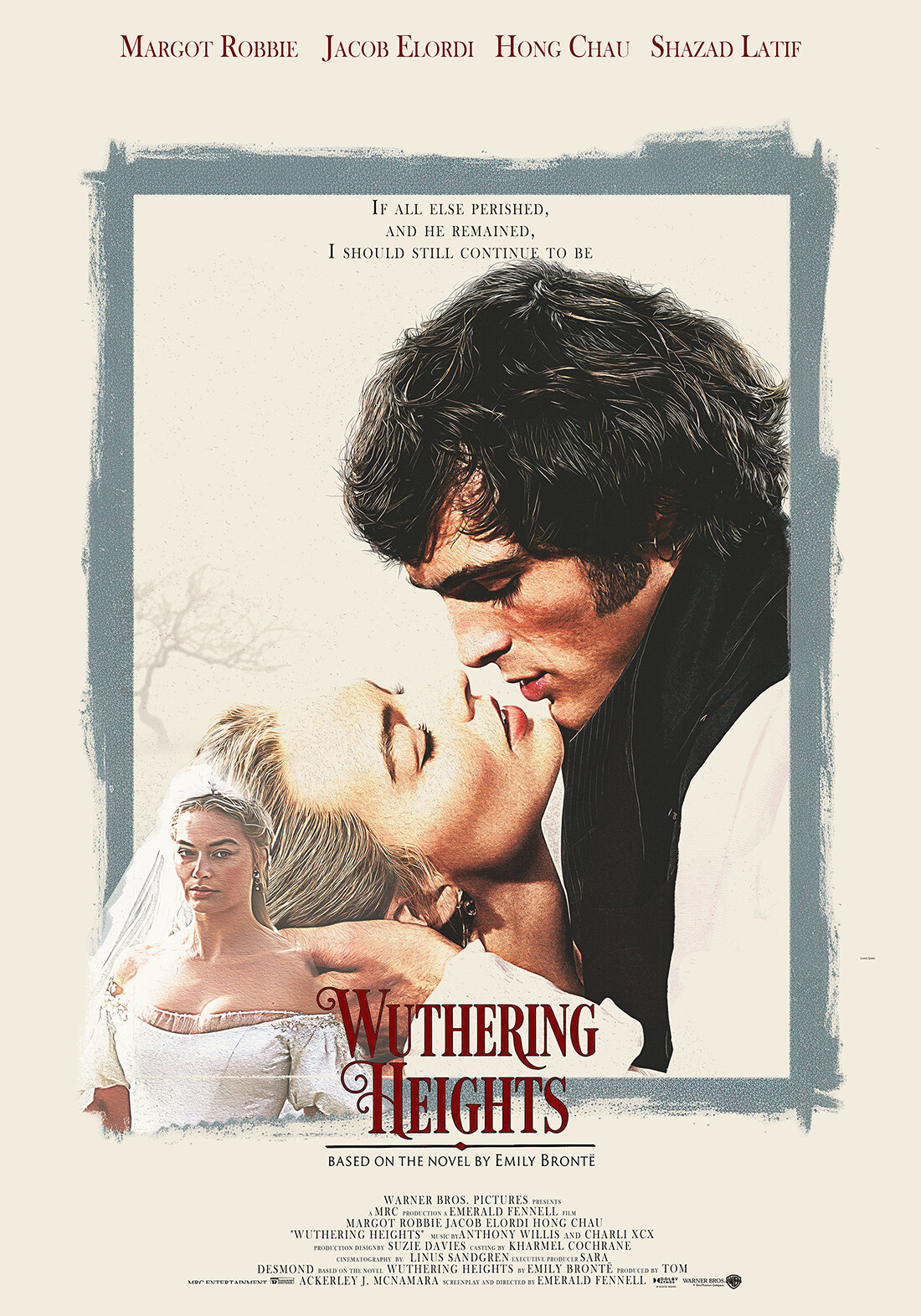
‘Wuthering Heights,’ the classic novel by Emily Brontë, continues to intrigue readers worldwide, and its lasting impact on literature and culture remains profound. As we approach 2026, anticipation builds around new adaptations of this enduring tale of passion, revenge, and the supernatural. Understanding these upcoming projects is essential for fans and scholars alike, highlighting the novel’s relevance in contemporary storytelling.
Upcoming Adaptations
As of now, two significant adaptations of ‘Wuthering Heights’ are in the works for 2026. The first is a feature film directed by renowned filmmaker, Sophie Hyde, who is known for her powerful storytelling and innovative visual style. Her interpretation aims to explore the emotional depth of Heathcliff and Catherine’s turbulent relationship while remaining faithful to Brontë’s themes of social class and isolation.
Moreover, a new stage adaptation is set to tour the United Kingdom, which will feature an all-female cast, reimagining the characters’ dynamics and challenging traditional portrayals. This fresh perspective aims to engage a new generation, bringing the narrative into the 21st century’s socio-political context.
Significance of the Adaptations
The continued adaptation of ‘Wuthering Heights’ underlines the novel’s timeless resonance. Scholars and critics emphasize that the themes of love, vengeance, and the struggle against societal norms remain relevant today. The character of Heathcliff, in particular, continues to invoke debates around masculinity, trauma, and moral ambiguity, making these adaptations not just nostalgic, but also relevant conversations.
Furthermore, with the rise of diverse voices in cinema and theatre, these adaptations promise to engage a broader audience by presenting the story from multiple, contemporary perspectives. This could incite discussions about representation and modern relevance in historic literature.
Conclusion
The forthcoming adaptations of ‘Wuthering Heights’ in 2026 are significant not only for fans of the original work but also for the evolution of classic literature in contemporary media. With filmmakers and playwrights drawing from the iconic narrative to reflect today’s societal challenges, audiences can look forward to an exploration of Brontë’s themes with a modern twist. As we await these adaptations, one thing is certain: Emily Brontë’s masterpiece will continue to captivate and provoke thought, cementing its place in both literary and popular culture.