








The Importance of the Winter Olympics Medal Table
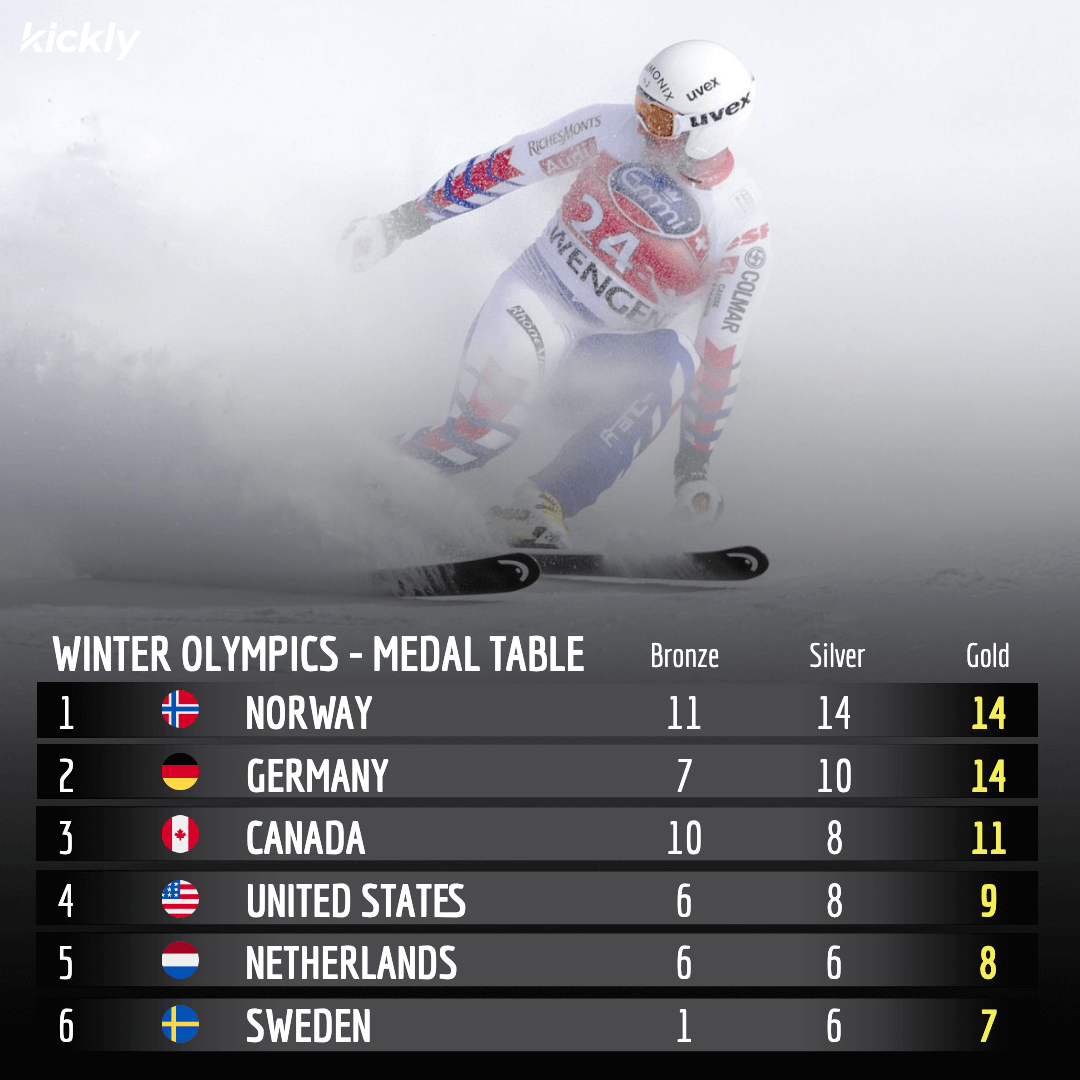
The Winter Olympics, held every four years, is a global sporting event that showcases the best athletes in winter sports. The medal table is a significant aspect of the Games, reflecting national pride and athletic success. As the 2022 Winter Olympics in Beijing concluded, the medal tally provided insights into each country’s performance, revealing trends and highlights from the competition.
Medal Table Overview
At the 2022 Winter Olympics, a total of 109 events across 15 sports were contested, resulting in a fiercely competitive medal race. Norway topped the medal table, finishing with an impressive count of 37 medals, comprising 16 gold, 8 silver, and 13 bronze. This consistent performance further solidified Norway’s reputation as a powerhouse in winter sports.
Following Norway, Germany secured the second position with 27 medals (12 gold, 10 silver, and 5 bronze), while Canada rounded out the top three with 26 medals (7 gold, 9 silver, and 10 bronze). The successful showing by these nations underscores their commitment to winter sports and the effectiveness of their training programmes.
Notable Performances
Several athletes shone brightly, contributing significantly to their countries’ medal totals. Norway’s Johannes Høsflot Klæbo emerged as a star of the Games, claiming three gold medals in cross-country skiing. Similarly, Germany’s biathlon team showcased incredible skill, earning multiple medals, while Eileen Gu of China became one of the breakout stars, winning gold in freestyle skiing events.
Additionally, the 2022 Winter Olympics marked an increased participation of athletes from various nations, highlighting the spirit of competition and camaraderie that characterises the Olympics. This year saw the inclusion of new events, which may have impacted the medal distribution, showcasing the evolution of winter sports on the Olympic stage.
Conclusion and Future Implications
The final medal table not only encapsulates the achievements of athletes but also serves as a platform for nations to evaluate their sporting strategies moving forward. With the next Winter Olympics scheduled for 2026 in Milan-Cortina, the medal table from 2022 may influence how countries invest in winter sports, focusing on youth development and elite training programmes. The results from Beijing serve as a motivational benchmark for nations aiming to shine in upcoming international sporting events. As the world anticipates the next Olympic Games, the 2022 medal table will remain a significant reference point in the history of winter sports.