









Introduction
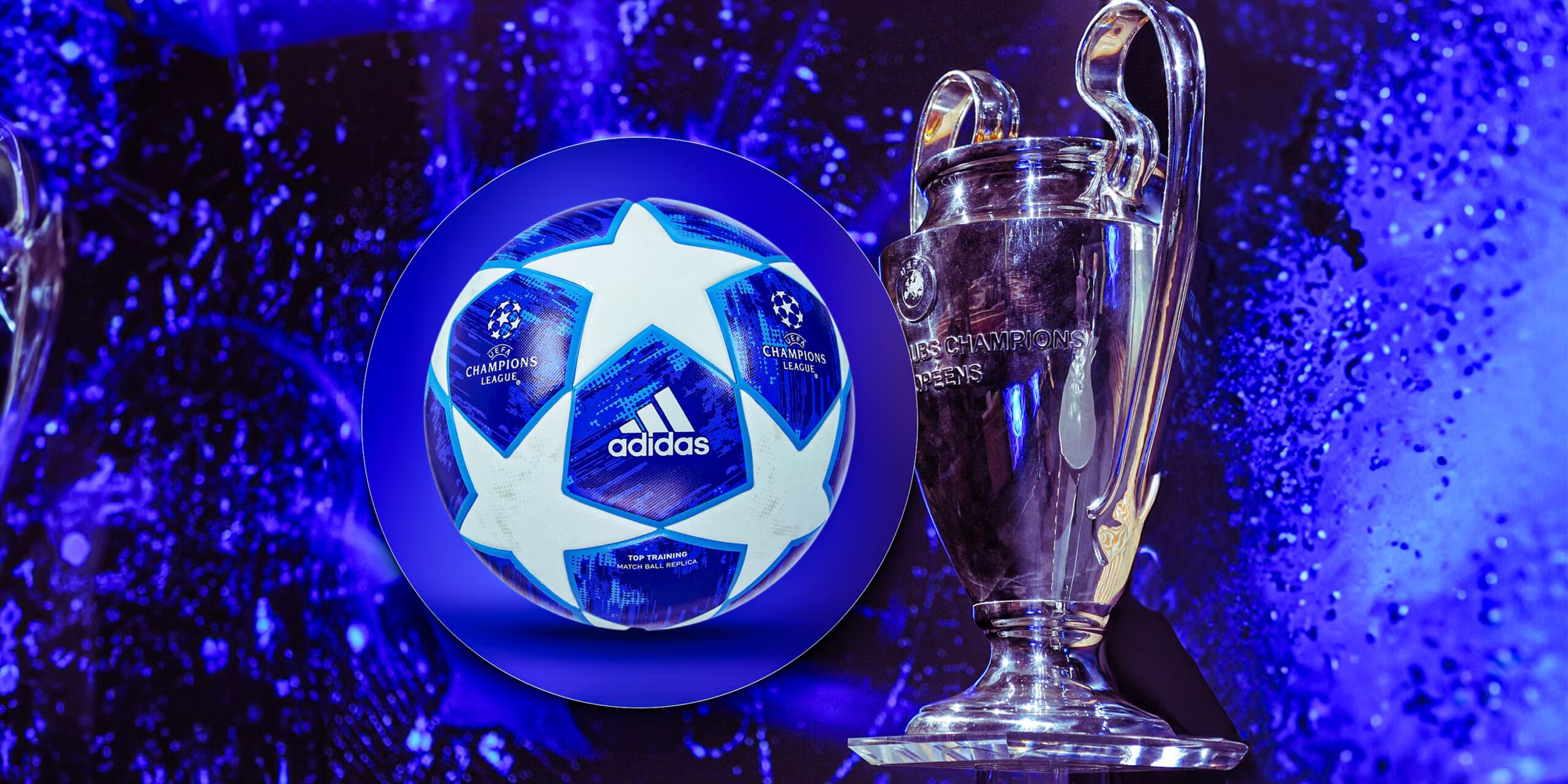
The UEFA Champions League is one of the most prestigious football tournaments in the world, showcasing elite clubs from across Europe. As the tournament evolves, its format remains a topic of significant interest for fans, players, and clubs alike. With recent changes set to take effect in the 2024-2025 season, understanding the implications of these alterations in the current format is crucial for everyone involved in European football.
Current Format Description
The present Champions League format consists of a qualification phase, followed by a group stage and knockout rounds. In the qualification phase, clubs from various leagues compete for a spot in the prestigious tournament. Once qualified, 32 teams enter into a group stage where they are divided into eight groups of four teams each. Here, each team plays home and away matches against the others in their group. The top two teams from each group then advance to the knockout rounds, leading to the final, where the coveted trophy is contested.
Upcoming Changes and Impact
Starting from the 2024-2025 tournament, UEFA will introduce a new format known as the ‘Swiss Model’. This is expected to increase the number of matches and ensure that high-profile clubs compete more frequently against one another. Instead of the traditional group stage, all participating teams will be placed in a single league of 36 teams, where each team will play eight games against different opponents. The top eight clubs will automatically qualify for the knockout stage, while teams ranked ninth to 24th will enter a playoff for the remaining eight spots.
This change is significant as it promises to generate more excitement and engagement among fans due to increased match variety and higher stakes in every game. However, concerns regarding fixture congestion and its impact on players’ fitness and league schedules have been raised by various stakeholders, including coaches and player associations.
Conclusion
The changes to the Champions League format are set to transform the landscape of European football. While the introduction of the Swiss Model aims to create more competitive and varied match-ups, it also brings forth challenges that must be navigated carefully. As fans and clubs prepare for the implications of the new system, its eventual success or failure will likely hinge on how well it balances excitement with the traditional values of competition inherent in football. As the tournament continues to adapt, it remains a focal point for football enthusiasts globally, ensuring that its evolution will be followed closely by supporters across the continent.