







Introduction
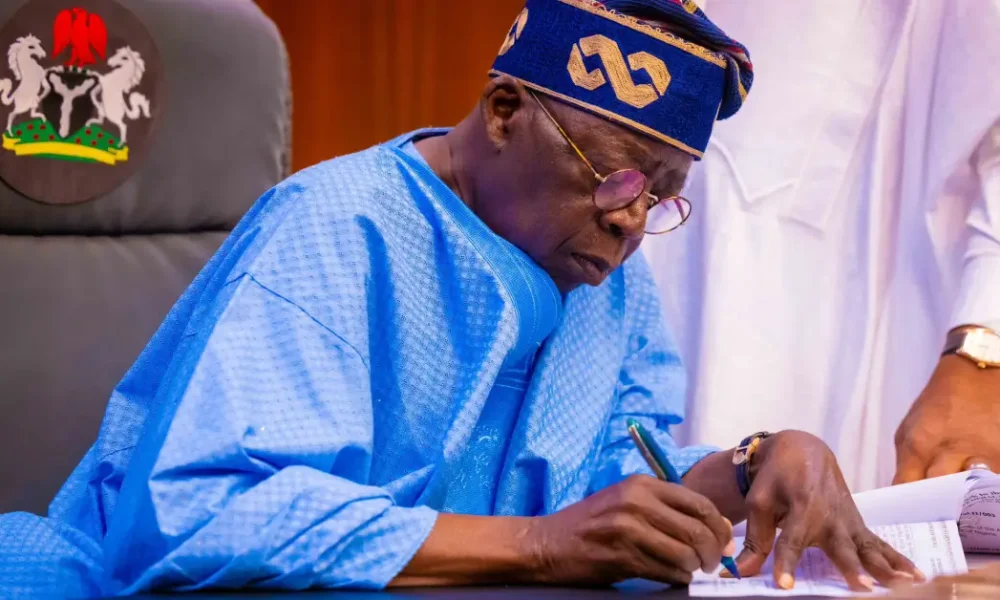
President Bola Ahmed Tinubu’s ascent to the presidency of Nigeria has sparked a significant interest both within the country and internationally. After being sworn in on May 29, 2023, he inherited a nation grappling with numerous challenges, including economic instability, security concerns, and social unrest. Understanding President Tinubu’s policies and leadership style is crucial, as it will shape the future of Nigeria and its place on the global stage.
Major Policies and Initiatives
Since taking office, President Tinubu has introduced several key policies aimed at revitalising Nigeria’s struggling economy. One of his focal points is the removal of fuel subsidies, a move that has aimed to reduce the financial burden on the government but has also sparked protests among citizens uneasy about rising petrol prices. Tinubu has promised that the savings from subsidy removal will be used to fund critical sectors like education, healthcare, and infrastructure.
Furthermore, the Tinubu administration is prioritising agricultural reform to achieve food security and is working on enhancing local production capabilities. This initiative is crucial as Nigeria has faced challenges with food importation, particularly due to international supply chain disruptions exacerbated by the COVID-19 pandemic and the ongoing conflict in Ukraine.
Security and Governance
Security remains a pressing issue under Tinubu’s leadership. The President has committed to addressing the escalating violence from insurgent groups in the North and kidnapping incidents across the country. His administration is seeking international partnerships to strengthen intelligence and security operations while aiming to build a trust-based relationship with the military and law enforcement agencies.
Public Reception and Challenges
The response to President Tinubu’s policies has been mixed. While some commend his bold moves like subsidy removal and his attempts to bring about fiscal reforms, critics argue that the changes have been abrupt and poorly communicated, causing distress among the populace. Tinubu’s government is under pressure to demonstrate tangible improvements, particularly in economic recovery and public safety.
Conclusion
As President Tinubu continues his term, his ability to balance immediate citizen concerns with long-term national growth will be crucial. The coming months will likely reveal the effectiveness of his administration’s policies. If successful, Tinubu could redefine Nigeria’s trajectory, not only improving the lives of Nigerians but also positioning the country as a more significant player in the African and global arenas.