








Introduction to Non-Fungible Tokens
Non-fungible tokens (NFTs) have taken the digital world by storm, redefining how we perceive ownership in the virtual realm. Unlike traditional cryptocurrencies such as Bitcoin or Ethereum, which are fungible and interchangeable, NFTs are unique digital assets, making them ideal for representing ownership of art, music, collectibles, and even virtual real estate. The surge in interest surrounding NFTs has led to significant developments across various industries, highlighting their relevance in today’s economy.
The Rapid Rise of NFTs
2021 marked a pivotal year for NFTs, with the sector expanding exponentially. According to a report from NonFungible.com, the NFT market generated approximately $10.7 billion in sales in the third quarter of 2021 alone, compared to just $1.3 billion in the same period of the previous year. Major auctions featuring digital art pieces sold for millions of dollars, with high-profile sales such as Beeple’s digital artwork fetching a staggering $69 million through Christie’s.
Since then, numerous platforms have emerged, enabling artists and creators to tokenize their work. OpenSea, Rarible, and Foundation are just a few examples of marketplaces where users can buy, sell, and trade NFTs. The accessibility of these platforms has empowered creators globally, allowing them to reach audiences and monetize their work effectively.
Challenges and Criticisms
Despite their popularity, NFTs have received criticisms for their environmental impact due to the energy-intensive processes involved in blockchain technology. Ethereum, the primary blockchain for NFTs, has been scrutinised for its energy consumption. However, the Ethereum network is transitioning to a more sustainable model known as Ethereum 2.0, which aims to reduce energy usage significantly.
The Future of NFTs
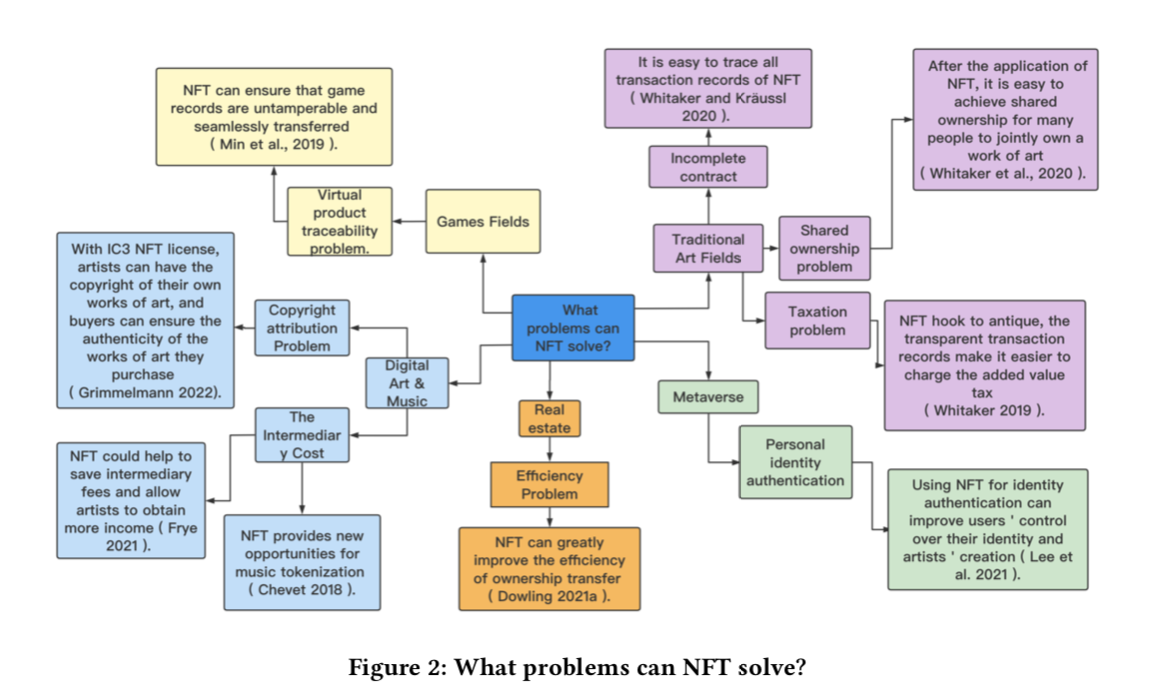
Looking ahead, the future of NFTs appears promising, with predictions of continued growth. Experts anticipate that the integration of NFTs into different sectors such as gaming, real estate, and even identity verification will become increasingly prevalent. Businesses are exploring innovative uses for NFTs beyond art, such as in loyalty programs and ticketing systems, making them more mainstream.
Conclusion
The rise of non-fungible tokens signifies a transformative shift in the digital landscape. While challenges persist, the potential applications and benefits of NFTs illustrate their significance. As technology evolves, NFTs are set to forge deeper connections between creators and consumers, heralding a new era of digital ownership. Readers should keep a keen eye on this emerging trend, as it promises to shape the future of commerce and creative expression.