









Introduction
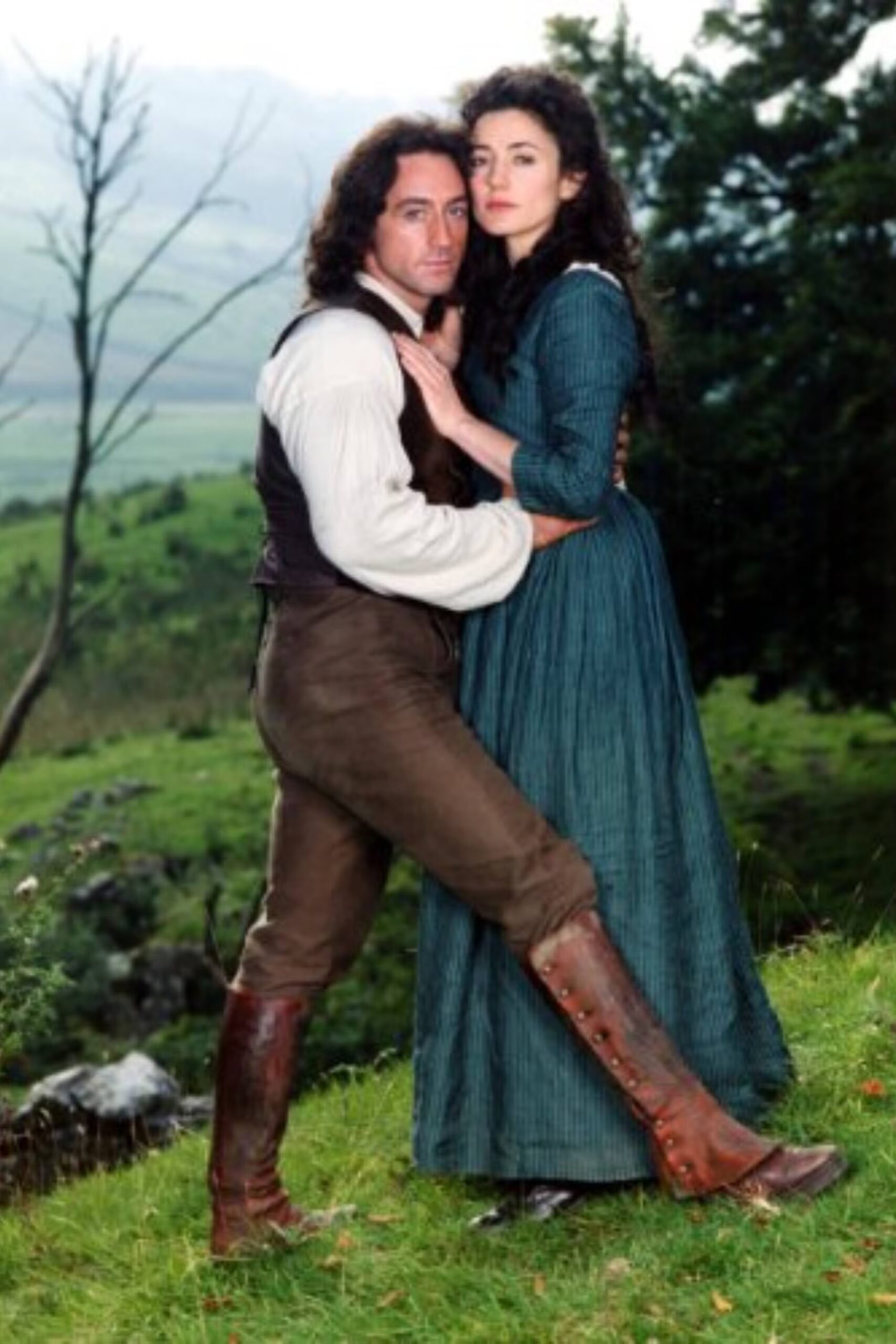
The literary classic ‘Wuthering Heights,’ penned by Emily Brontë, has been a source of inspiration for numerous film adaptations since its publication in 1847. This tragic tale of love and revenge set against the backdrop of the Yorkshire moors continues to resonate with audiences around the world. The various interpretations reflect not only the timelessness of Brontë’s story but also the evolving culture and film techniques.
Major Adaptations
One of the earliest adaptations appeared in 1920, which was a silent film directed by A. V. Bramble. However, it was the 1939 version, directed by William Wyler, that truly captured the essence of the novel and starred Merle Oberon and Laurence Olivier as the doomed lovers, Cathy and Heathcliff. This adaptation has often been credited with establishing certain conventions for dramatic portrayals of classic literature in film.
As the decades progressed, the British film industry produced additional adaptations, including the 1970 version starring Anna Calder-Marshall and Timothy Dalton. Despite their historical significance, these adaptations often struggled to fully convey the emotional depth of the characters and the darker themes prevalent in Brontë’s work.
Modern Takes on Wuthering Heights
In 2011, Andrea Arnold directed a fresh adaptation that was noted for its gritty realism and closer adherence to the original narrative. This portrayal aimed to bring the raw emotions of the characters to the forefront, contrasting with earlier, more romanticised cinematic interpretations. Critics praised the film for its cinematography and commitment to authenticity, though its departure from traditional cinematic conventions resulted in mixed reviews from audiences.
In addition to full-length films, Wuthering Heights has inspired numerous other media, including television adaptations and stage productions. Some of these adaptations have taken creative liberties, offering modern perspectives on the story. Notably, the BBC has aired several series that explore not just the plot, but also the themes of obsession, social class, and the supernatural.
Conclusion
The enduring popularity of ‘Wuthering Heights’ as a film subject demonstrates its significant role in literature and culture. With each new adaptation, filmmakers invite audiences to experience Brontë’s powerful characters and tragic narrative in unique ways. As cinema technology and storytelling techniques continue to evolve, it is likely that future adaptations will bring further reinterpretations of Heathcliff’s haunting legacy. For lovers of literature and film alike, ‘Wuthering Heights’ remains a timeless story that persistently captivates and inspires.