








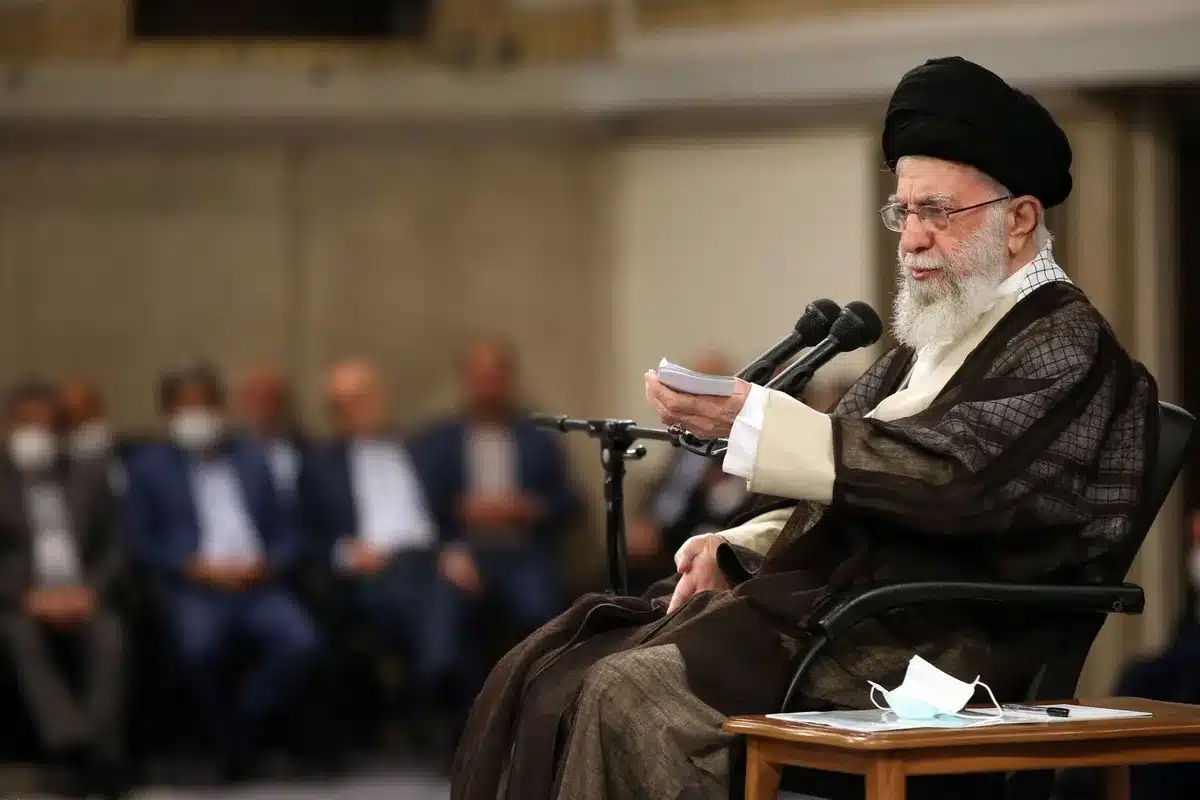
On March 27, 2026, Ayatollah Ali Khamenei, the Supreme Leader of Iran, was assassinated in New Delhi, India. This shocking event has sent ripples across the globe, particularly resonating in regions with significant Muslim populations.
In the immediate aftermath of Khamenei’s assassination, a delegation from Jammu and Kashmir (IIOJK) expressed their condolences. The delegation emphasized their solidarity with the Iranian people amid perceived aggression from the United States and Israel.
Mirwaiz Umar Farooq, a prominent Kashmiri leader, publicly mourned Khamenei’s death, stating, “Deeply saddened by the tragic assassination of Ayatollah Ali Khamenei.” His sentiments were echoed by the Mutahida Majlis-e-Ulema (MMU), which called for a shutdown in Kashmir on March 2 to honor Khamenei’s martyrdom.
The MMU described Khamenei as a “prominent leader of the Muslim Ummah,” highlighting his influence and leadership within the global Muslim community. They condemned the assassination, reflecting the deep respect held for Khamenei among various Islamic groups.
Kashmir, often referred to as “Iran-e-Sagheer” or “Little Iran,” has a history of cultural and religious ties with Iran, further intensifying the impact of Khamenei’s assassination in the region.
In a separate development, President Trump confirmed a CIA report suggesting that Khamenei’s son, Mojtaba Khamenei, is gay, which has raised questions about succession within the Khamenei family. The report also alleged that Mojtaba was involved in an affair with his childhood tutor, causing concern for Khamenei regarding his son’s future leadership.
Tragically, Khamenei’s assassination also resulted in the deaths of his wife and two sons during an airstrike that targeted him. This loss has compounded the grief felt by his supporters and the Iranian populace.
As the situation unfolds, details remain unconfirmed regarding the circumstances surrounding Khamenei’s assassination and its broader implications for Iran and its leadership.
The international community is closely monitoring the reactions to Khamenei’s death, particularly from nations and groups that have historically aligned with Iran. The assassination is likely to influence geopolitical dynamics in the region.
As events continue to develop, the legacy of Ayatollah Ali Khamenei as a leader of the Muslim Ummah will be a focal point of discussion among political analysts and historians alike.