









The numbers
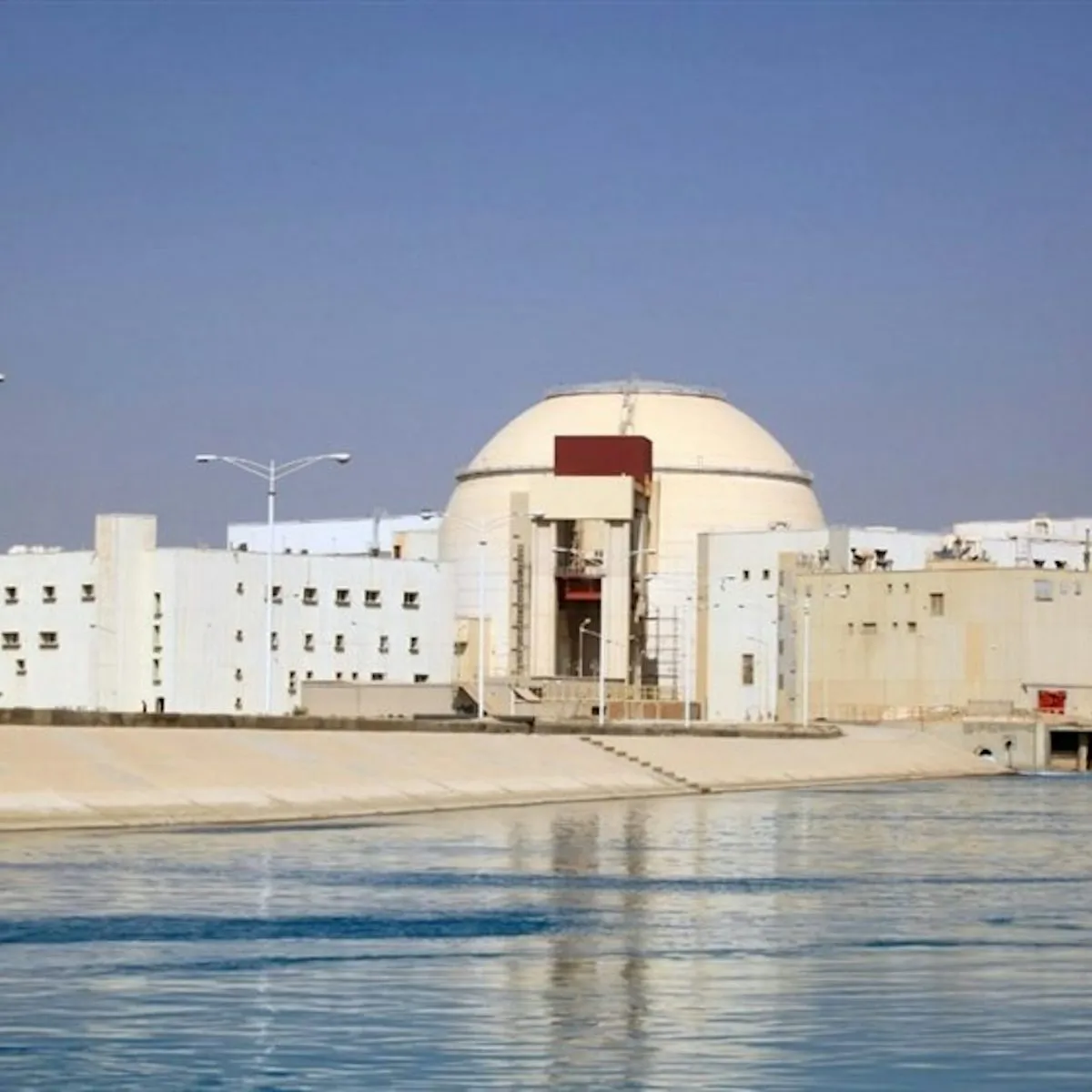
Alarm is rising in the Middle East as escalating tensions have led to significant concerns regarding the security of nuclear facilities and energy infrastructure. Recent incidents, including a projectile striking near the Bushehr nuclear power station, have prompted urgent responses from international leaders and organizations.
On April 4, 2026, a projectile struck close to the premises of the Bushehr nuclear power station, resulting in the death of a staff member due to a fragment. This incident is part of a troubling trend, with four similar incidents reported at the facility in recent weeks. The International Atomic Energy Agency (IAEA) has expressed deep concern about the safety of nuclear power station sites during conflicts, highlighting the precarious situation faced by the approximately 480 Russian nationals currently at the plant.
WHO director-general Tedros Adhanom Ghebreyesus joined the call for heightened awareness regarding the safety of Iran’s nuclear facilities, stating, “I join the International Atomic Energy Agency [IAEA] in raising the alarm again over the safety of nuclear facilities in Iran.” This statement underscores the urgent need for military restraint to prevent potential nuclear accidents, as emphasized by both the WHO and IAEA.
In addition to nuclear safety concerns, Russia has raised alarms about the security of key energy infrastructure in the region, particularly gas pipelines such as TurkStream and Blue Stream. Russian officials have confirmed that measures are being taken to reinforce the security of these major pipeline networks amidst the escalating conflict in the Middle East, which is described as a situation where “virtually the entire region is on fire.”
Former U.S. President Donald Trump has also weighed in on the situation, warning Iran to reopen the Strait of Hormuz by Tuesday evening or face devastating strikes. He threatened to target Iran’s bridges and power plants if the Strait remained closed, stating, “Tuesday will be Power Plant Day, and Bridge Day, all wrapped up in one, in Iran.” Such rhetoric reflects the heightened tensions and the potential for further escalation in the region.
As the situation develops, observers are closely monitoring the implications for global stability and energy supplies. The conflict involving Iran is expanding, raising alarms not only in the Middle East but also among international stakeholders concerned about the broader impacts on energy markets and geopolitical stability.
Details remain unconfirmed regarding the full extent of the incidents and the responses from various nations. However, the current climate of uncertainty and alarm suggests that the situation will continue to evolve, with potential ramifications for both regional and global security.