









Prior Expectations
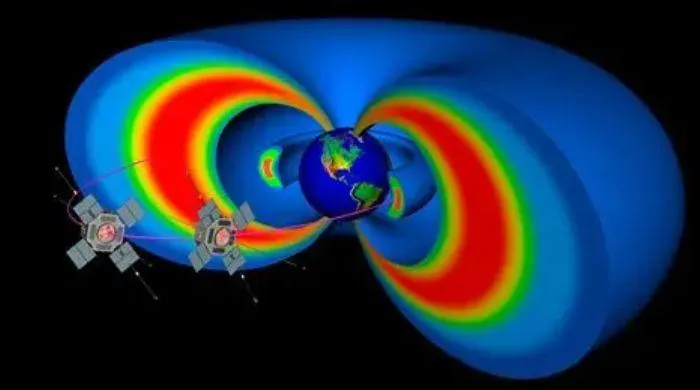
Before the upcoming re-entry of NASA’s Van Allen Probe A, the satellite had been in orbit for almost 14 years since its launch in August 2012. Initially, it was designed to study the radiation belts surrounding Earth, contributing significantly to our understanding of space weather. However, after the missions were abandoned in 2019, expectations shifted regarding its future.
Decisive Moment
Now, NASA has confirmed that the 600 kg satellite is predicted to crash to Earth on March 10, 2026, at approximately 7:45 pm EDT (23:45 GMT), with a potential variance of 24 hours. This marks a significant moment as the satellite approaches the end of its operational life.
Direct Effects
NASA anticipates that most of the spacecraft will burn up during re-entry, although some components may survive the descent through the atmosphere. The risk of harm to anyone on Earth from the satellite’s re-entry is calculated to be approximately 1 in 4,200. This relatively low risk is further mitigated by the fact that about 70% of Earth’s surface is covered by water, reducing the likelihood of debris causing injury.
Expert Perspectives
According to NASA, “Most of the spacecraft is expected to burn up as it travels through the atmosphere, but some components are expected to survive reentry.” This statement highlights the agency’s confidence in the safety measures surrounding the satellite’s descent. Additionally, they emphasize that “the risk of harm coming to anyone on Earth is low, approximately 1 in 4,200,” providing reassurance to the public as the date approaches.
The Van Allen Probes, including Probe A, were the first spacecraft specifically designed to study the radiation belts discovered by physicist James Van Allen. Their missions have provided invaluable data over the years, contributing to advancements in space science and our understanding of Earth’s environment.
Looking Ahead
As the re-entry date approaches, NASA continues to monitor the satellite’s trajectory and prepare for any potential outcomes. While the situation is largely under control, details remain unconfirmed regarding the exact fate of the satellite’s components as they re-enter the atmosphere.