









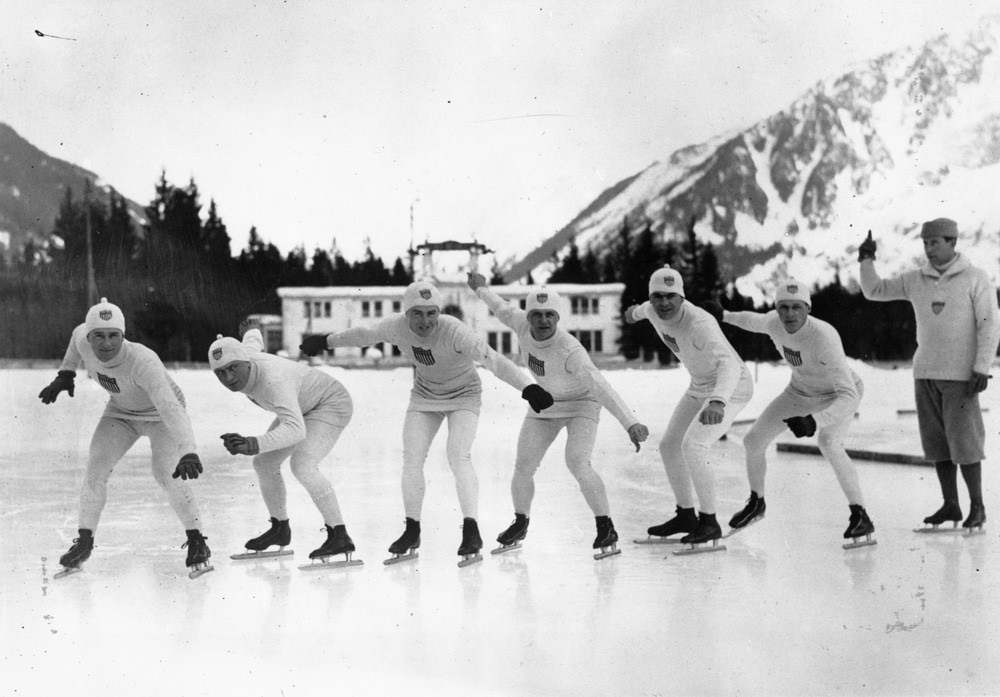
The Birth of a Winter Sports Tradition
The first Winter Olympics were held in Chamonix, France, from January 25 to February 5, 1924. Organised by the International Olympic Committee (IOC), this inaugural event marked a pivotal moment in the world of sports, establishing a dedicated platform for winter sports athletes to compete on an international scale.
Historical Context
This epoch-making event came after the successful Summer Olympics of 1920 in Antwerp, where Finland’s participation in winter sports had paved the way for a focused winter edition. The idea for the Winter Olympics was birthed in an era where winter sports were gaining popularity, yet lacked the global recognition found in other athletic competitions.
Participation and Highlights
The 1924 Winter Olympics featured athletes from 16 nations, competing in a total of 4 sports: bobsleigh, curling, ice hockey, and figure skating. A total of 258 athletes participated, of which only 11 were women. The event had an atmosphere of excitement, showcasing not only the athletic prowess of its participants but also promoting winter sports globally.
Notable performances included the stellar contributions from the United States ice hockey team, which emerged victorious, and Swedish figure skater Gillis Grafström, who won gold in the men’s singles event.
Legacy and Significance
The success of the first Winter Olympics set a precedent for subsequent events, and it has since evolved into a major highlight in the Olympic calendar, drawing larger audiences and more extensive participation from countries worldwide. Over the decades, this event has played a crucial role in popularising winter sports, and the ideals of sportsmanship and international competition.
Conclusion
The first Winter Olympics in Chamonix not only demonstrated the excitement and ability of winter athletes but also highlighted the value of global unity through sport. As we look towards the future, the continued success of the Winter Olympics signals a growing appreciation for winter sports and an ever-expanding audience eager to engage with winter athletic competitions.