









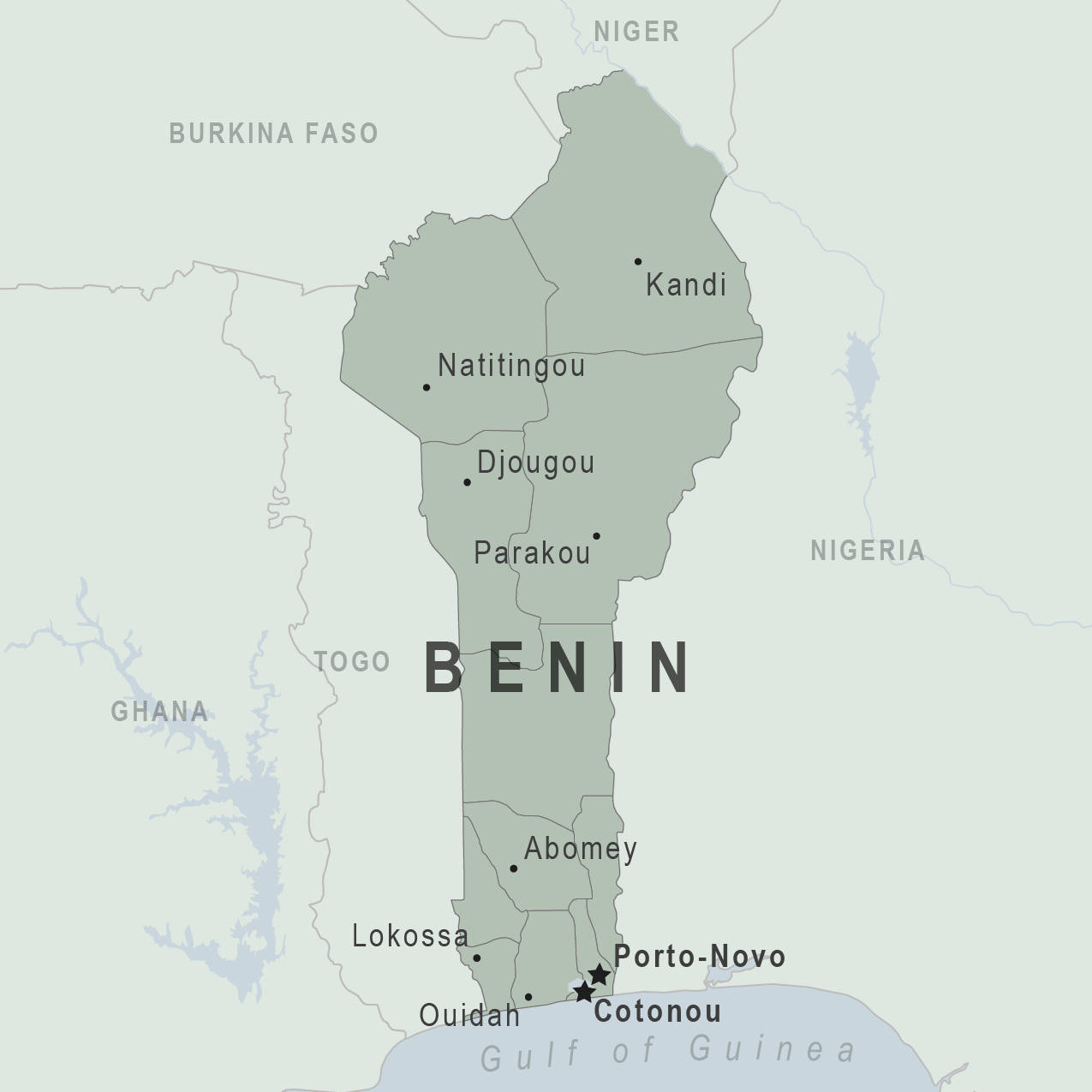
Importance of Benin in West Africa
Benin, a country located in West Africa, is renowned for its rich history, vibrant cultures, and significant contributions to the region’s heritage. Understanding Benin is crucial not only for its unique traditions but also for its pivotal role in historical and contemporary issues affecting Africa.
Historical Significance
Once home to the powerful Kingdom of Dahomey, Benin’s past is steeped in intriguing narratives of trade, power, and colonialism. The kingdom flourished from the 17th to the 19th centuries, engaging in slave trade and rich cultural practices that have influenced the area’s modern identity. The royal palaces of Abomey, a UNESCO World Heritage site, present the splendor of this historic kingdom, attracting scholars and tourists alike.
Cultural Diversity
Today, Benin is a mosaic of approximately 50 ethnic groups, all of which contribute to the country’s diversity. The Yoruba, Fon, and Adja are some of the major ethnicities, each possessing distinctive languages, customs, and traditions. Festivals such as Voodoo Festival, celebrated in January, highlight the enduring spiritual practices and creative expressions that define Beninese culture.
Economy and Development
Benin’s economy is predominantly agrarian, with over 60% of its population engaged in agriculture. However, recent initiatives aimed at diversifying the economy through investments in infrastructure and tourism are making headway. The government’s emphasis on improving port services and trade relations garnered international interest, positioning Benin for sustainable growth in the coming years.
Contemporary Issues
Despite its rich heritage and economic potential, Benin faces challenges such as political instability, poverty, and limited access to education and healthcare. Recent elections and governance reforms aim to address these issues, with a focus on promoting democracy and enhancing the quality of life for its citizens. The international community’s involvement through development aid and partnerships also plays a crucial role in shaping the country’s future.
Conclusion
Benin stands at a crossroads of tradition and modernity, firmly rooted in its cultural heritage while striving for progress. As awareness of Benin’s rich history and potential continues to grow, it becomes increasingly significant for scholars, policymakers, and tourists to explore and appreciate what this West African nation has to offer. The future of Benin looks promising, with its vibrant culture and strategic initiatives paving the way for enhanced global engagement and development.