









Introduction
The ongoing development projects of Neom and Al-Riyadh are crucial to Saudi Arabia’s vision for a diversified economy and sustainable future. With significant investments and bold plans, both projects represent the kingdom’s ambition to transform its urban landscape and offer innovative solutions to the challenges of modern living. Understanding their differences and growth trajectories is vital for analysts, investors, and residents alike.
Overview of Neom
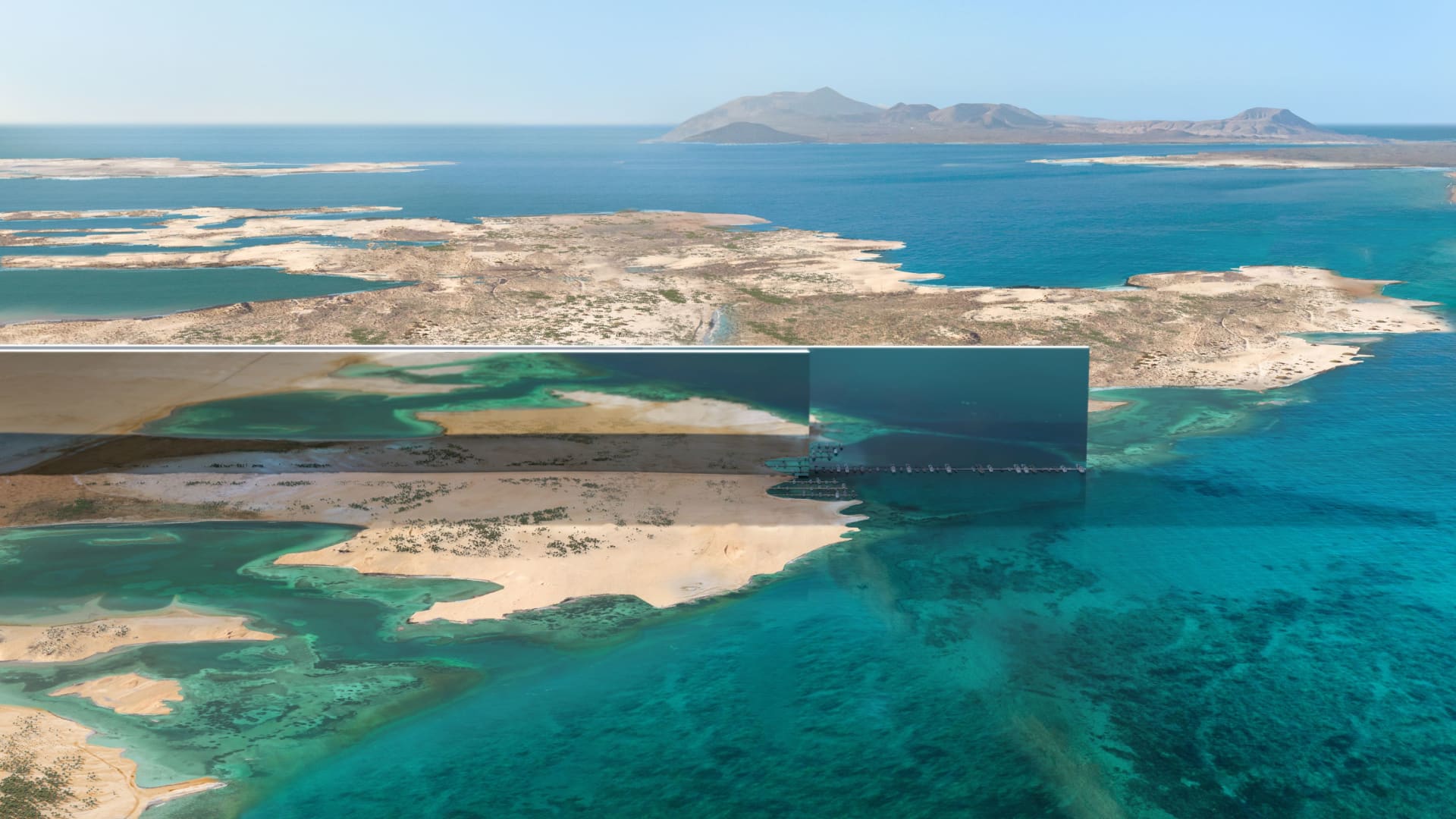
Neom, announced in 2017, is a futuristic mega-city project located in the northwestern region of Saudi Arabia, covering an area of 26,500 square kilometres. Part of Saudi Arabia’s Vision 2030 initiative, Neom aims to be a hub for innovation and technological advancement, focusing on sectors such as energy, water, mobility, and biotechnology. With an estimated investment of $500 billion, Neom is designed to attract international talent and businesses, featuring smart city technology, sustainable urban planning, and environmentally-friendly initiatives.
Features of Al-Riyadh
In contrast, Al-Riyadh, the capital city, is currently undergoing a transformation under the Riyadh Development Plan, which aims to enhance the city’s infrastructure, economy, and overall livability. This massive project, valued at approximately $23 billion, is focused on developing public transportation systems, green spaces, and urban amenities. The King Abdulaziz Project for Public Transport, which includes a metro system and bus network, is a cornerstone of Al-Riyadh’s development strategy, intended to ease congestion and promote sustainable transport options.
Comparative Analysis
While both projects strive to modernise Saudi Arabian urban life, Neom is more ambitious in its scope and future-oriented approach, contrasting with Al-Riyadh’s focus on enhancing an existing urban environment. Neom’s appeal lies in its promise of cutting-edge technology and holistic living integrated with nature, whereas Al-Riyadh is concentrating on improving the quality of life for its residents through infrastructural advancements.
Conclusion
The developments in Neom and Al-Riyadh encapsulate Saudi Arabia’s commitment to innovation and improved urban living. Neom represents a long-term vision for a new way of living in harmony with technology and the environment, whereas Al-Riyadh focuses on modernising an established urban centre to meet the needs of its citizens. Both projects hold significant implications for the future of the kingdom, attracting investment, jobs, and international collaboration. As Saudi Arabia continues to grow and evolve, the comparison of Neom and Al-Riyadh will be essential in understanding the kingdom’s trajectory towards a sustainable and diverse economy.