









Introduction
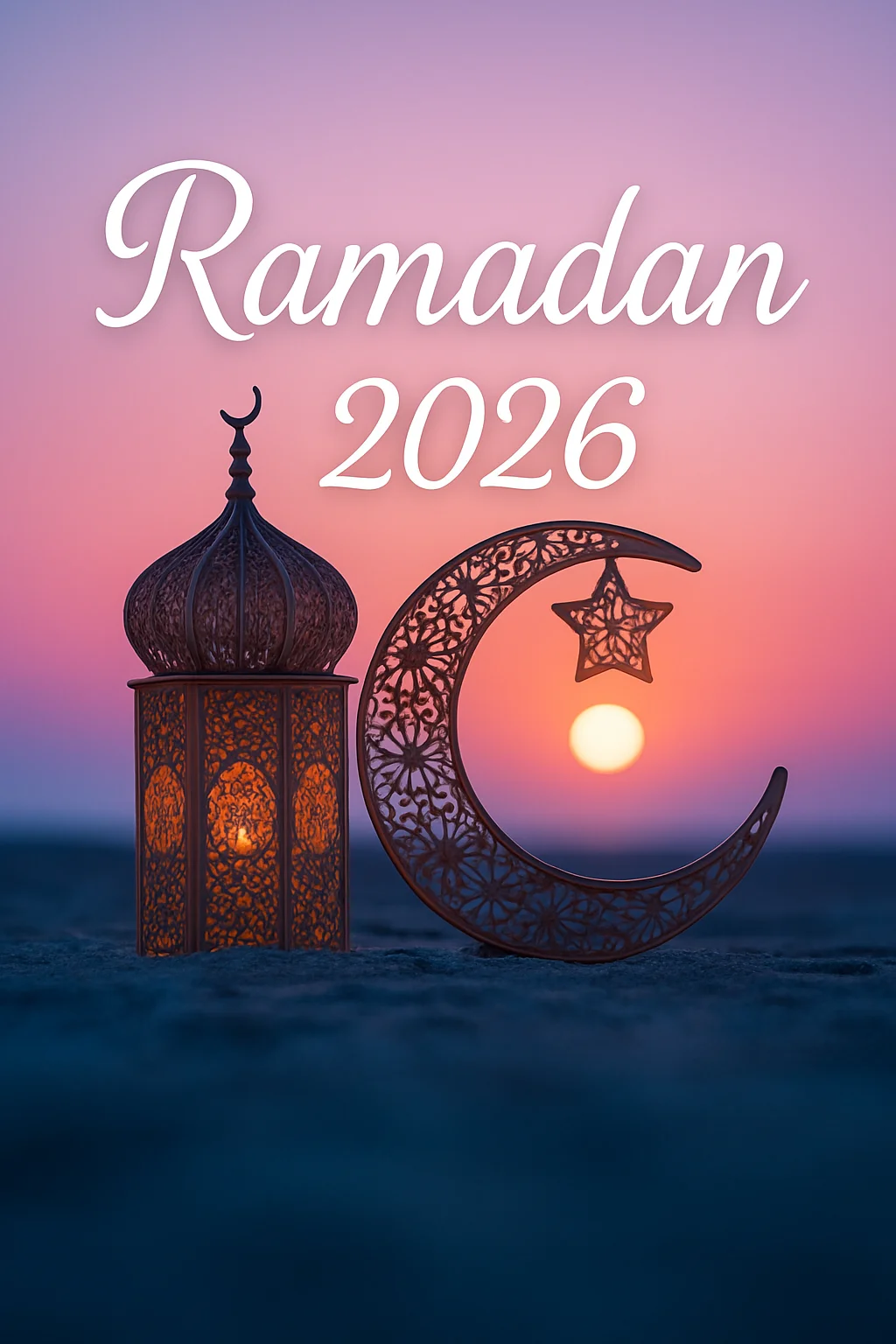
Ramadan is a sacred month for Muslims around the world, marked by fasting, prayer, and reflection. Observed during the ninth month of the Islamic lunar calendar, its specific timing can vary yearly based on the sighting of the moon. With its spiritual significance, understanding when Ramadan occurs is essential for both observant Muslims and those interested in cultural practices. In 2026, Ramadan is expected to begin on the evening of February 17, 2026, and conclude on the evening of March 18, 2026, although these dates may vary slightly depending on lunar sightings.
The Importance of Ramadan
Ramadan is not just a month of fasting but a time for self-discipline, spiritual growth, and community bonding. During this month, Muslims are required to abstain from food and drink from dawn until sunset, focusing on prayer, reflection, and community. The pre-fast meal, known as Suhoor, and the post-fast meal, Iftar, bring families and communities together in shared rituals. Additionally, acts of charity and generosity are greatly encouraged during Ramadan, aiming to foster empathy towards those who are less fortunate.
Global Observances and Variations
While Ramadan is generally observed universally among Muslims, the rituals surrounding it can vary significantly by culture. In countries like Saudi Arabia and Egypt, large communal prayers and festive meals are commonplace, while in other regions like Indonesia and Turkey, local traditions and customs might shape the experience. The transition into Eid al-Fitr, which marks the end of Ramadan, is celebrated with great enthusiasm, showcasing the festive spirit after a month of devotion and reflection.
Conclusion
As Ramadan approaches in 2026, it serves as a reminder of the values of compassion, humility, and shared community that are central to Islam. With its expected commencement on the evening of February 17, many people worldwide will start preparing for this spiritually uplifting month. It is an opportunity for both personal growth and collective unity, making it significant not only for Muslims but also for observers interested in the rich traditions and philosophies that surround this holy month. By understanding when Ramadan will be, communities can participate in celebrations or support their Muslim neighbours during this meaningful period.