









Introduction
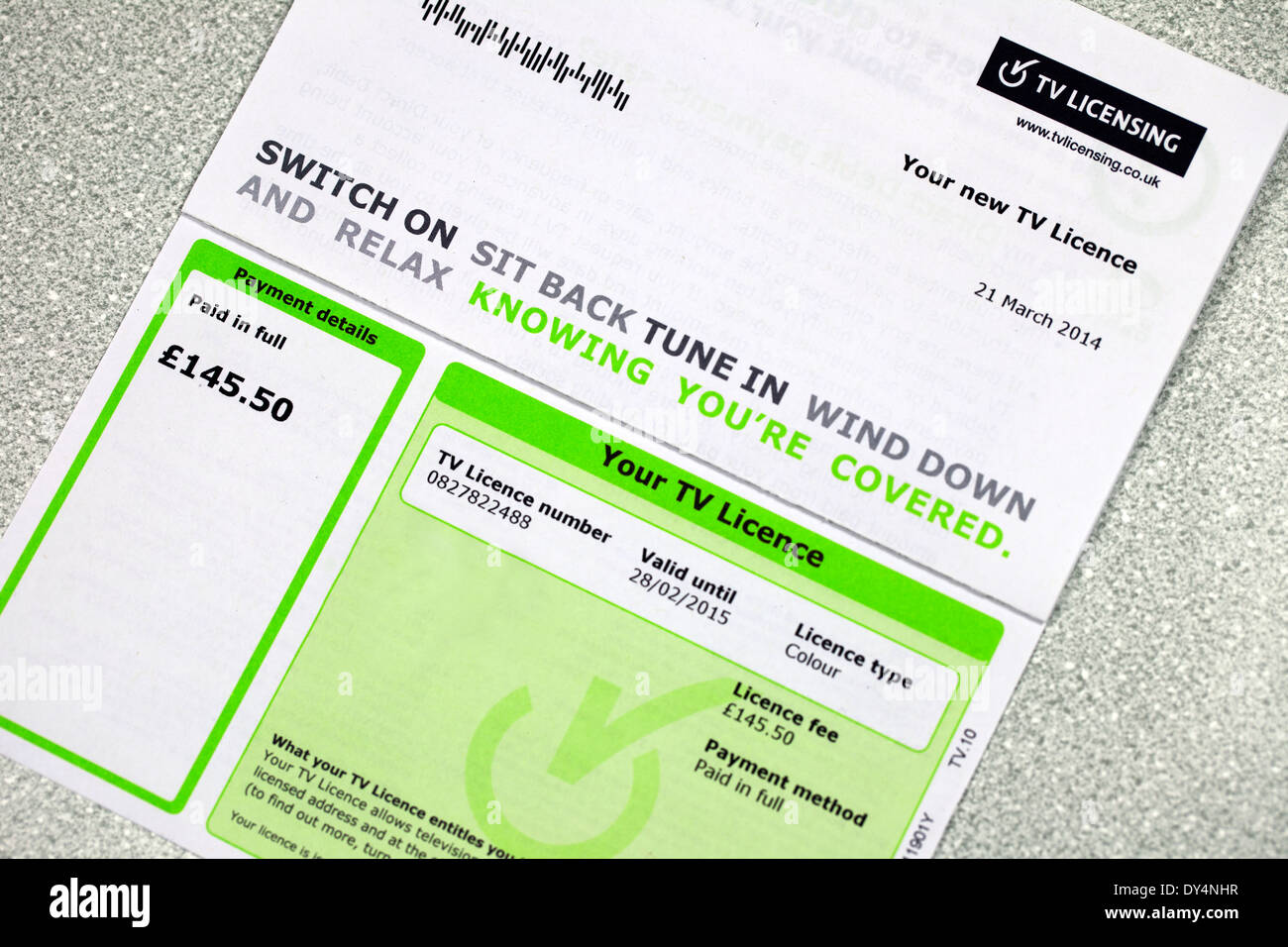
The TV Licence is a mandatory fee in the United Kingdom that allows households to legally watch live television broadcasts and access BBC iPlayer. Since its introduction in 1946, the licence has been a cornerstone of funding for the BBC, which is the nation’s public broadcaster. With the rise of streaming services and changes in viewing habits, the TV Licence has come under scrutiny and debate, making it a pertinent topic for discussion.
Recent Developments
In recent years, the TV Licence has faced significant challenges. The BBC announced in September 2023 that it will be implementing a restructure aimed at reducing operating costs due to a decline in licence fee revenue. Approximately 2.5 million fewer households have paid for a TV Licence in the last five years, prompting an evaluation of the BBC’s funding model. In July 2023, a government report suggested that the current TV Licence system is outdated and recommended exploring alternative funding options.
Additionally, the penalty for non-payment, which can include a maximum fine of £1,000, has also sparked discussions regarding its fairness. Recent statistics revealed that over 100,000 individuals were prosecuted for licence fee evasion in 2022. This has led to calls for reforming the enforcement measures to make the process fairer, especially for low-income families.
Current Debate
The debate surrounding the TV Licence has intensified, with some advocating for its abolition in favour of a subscription-based model akin to that of Netflix or Amazon Prime. Proponents argue that this would modernise how the BBC operates and reflect contemporary viewing habits. Conversely, supporters of the current system believe that public broadcasting is essential for maintaining a diverse media landscape and that the licence fee ensures quality programming is available to all, regardless of ability to pay.
Conclusion
The future of the TV Licence remains uncertain amidst changing consumer preferences and evolving media consumption trends. As discussions continue about its relevance and effectiveness, it is essential for viewers to stay informed. The ability to broadcast content without a licence, which can lead to significant fines, also underscores the importance of understanding this topic. As of now, the Government is expected to make further announcements regarding the BBC’s future funding by early 2024, and these developments will be crucial for viewers and the media landscape in the UK.