









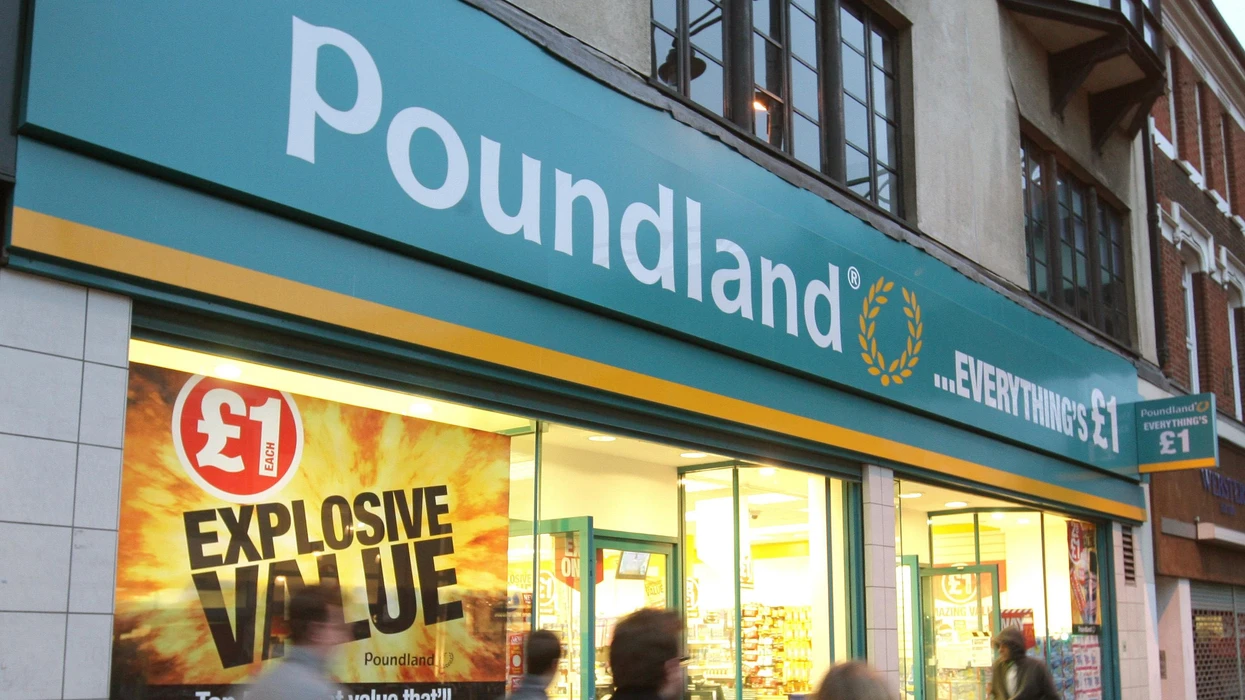
Introduction: The Significance of Poundland Closures
Poundland, a popular discount retailer in the UK, has been a staple for consumers seeking affordable products. However, recent announcements of closures have raised concerns about the retail landscape and its ramifications for local economies. With economic pressures intensifying, understanding the causes and implications of these closures is crucial for consumers and stakeholders alike.
Recent Developments in Poundland Closures
As of October 2023, Poundland has confirmed plans to close several stores across the UK as part of a restructuring initiative aimed at improving profitability. According to sources within the company, escalating costs, including rent and supply chain disruptions, have necessitated a reevaluation of store operations.
The closures, which impact locations primarily in urban areas where competition is fierce, are expected to affect over 300 employees and cause inconvenience for regular shoppers. Poundland operates over 800 stores across the country, making it a significant player in the discount retail sector, and these closures could signal a shift in consumer shopping habits.
Factors Driving the Closures
Several factors contribute to the decision to close Poundland stores. The rising cost of living has pressured consumers to prioritize essentials, leading to changing purchasing patterns. Additionally, competition from both online retailers and other discount chains has intensified, challenging Poundland’s market position.
Furthermore, the impact of Brexit has created additional hurdles for retailers, including increased tariffs and supply chain volatility affecting product availability and pricing. As a result, Poundland is not alone; many retailers are reassessing their strategies in light of the challenging economic environment.
The Broader Impact on the Retail Sector
The closures of Poundland stores are likely to have a ripple effect on the retail sector. Local economies that benefit from the foot traffic generated by discount stores may experience downturns, with smaller businesses potentially suffering from reduced consumer numbers.
Moreover, the job losses associated with these closures underscore the fragility of the retail environment, further straining communities already grappling with economic uncertainty. Analysts suggest that while Poundland may be refocusing its strategy, the overall retail climate remains precarious.
Conclusion: What Lies Ahead for Poundland and Retail?
In conclusion, the recent Poundland closures reflect broader trends and challenges within the retail industry. As the company navigates these turbulent waters, it is imperative for stakeholders to remain informed about potential shifts in the market. While this may be a strategic move for Poundland, the implications for employees, consumers, and local economies are significant.
Looking ahead, it will be crucial to monitor how Poundland adapts to market pressures and whether they can sustain their operations amidst changing consumer preferences. As the retail landscape continues to evolve, clarity on strategic directions and resilience will be key in determining the future of discount retailers.