









Introduction
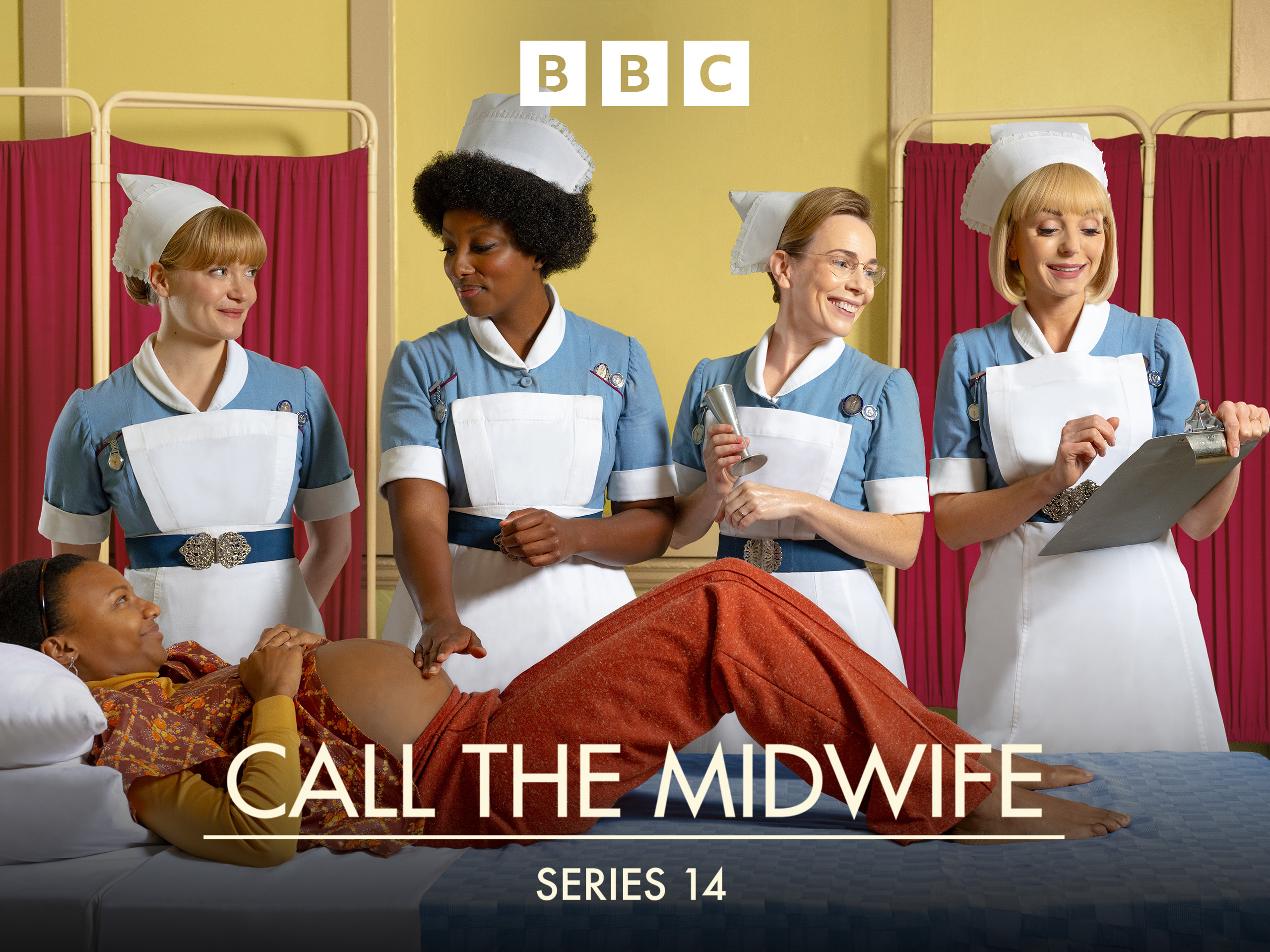
Call the Midwife, a critically acclaimed BBC television series, has continued to captivate audiences with its poignant storytelling and rich historical context. Season 15 Episode 4 is no exception, showcasing the pressing social issues of the 1960s while providing a heartfelt glimpse into the lives of the midwives and the families they serve. With healthcare, family dynamics, and community woven into the fabric of each storyline, the episode once again highlights the importance of compassion, resilience, and the evolving landscape of maternal care.
Key Events and Themes
In this episode, the narrative focuses on several key characters, including Nurse Trixie and Sister Julienne, as they navigate the challenges faced by expectant mothers and the broader community. Notably, one storyline revolves around a young mother struggling with the stigma of having a child out of wedlock. This plotline poignantly captures the societal perceptions of the time, as Trixie works through the barriers to ensure that the mother receives the care and support she desperately needs.
Additionally, the episode touches on the theme of mental health, as a father grapples with the arrival of his newborn while battling deep-seated anxieties. The midwives come to understand that the support of families extends far beyond physical healthcare—it encompasses emotional wellness too. This duality of maternal responsibility provides a rich ground for the show to delve into complex societal issues.
Audience Reception
Fans of the show have expressed overwhelming praise for Episode 4, noting its balance of historical accuracy with the emotional weight of the characters’ experiences. Viewers particularly appreciated how the series continues to break ground on topics often regarded as taboo in the era it portrays. Social media buzz highlighted how relatable the issues are, even today, with many drawing parallels to contemporary discussions around family planning and community welfare.
Conclusion
As Call the Midwife Season 15 progresses, it remains an essential commentary on the social dynamics of past decades, reflecting not only the historical challenges of midwifery but also the ongoing struggles faced by families today. Episode 4 stands as a testament to the show’s ability to resonate with audiences through powerful storytelling. As we await the next episodes, viewers can anticipate continued exploration of the emerging themes of love, fear, and the courage required in the midst of change. Call the Midwife serves not just as a period drama but as a mirror reflecting societal progress and the enduring courage of women.