









Introduction
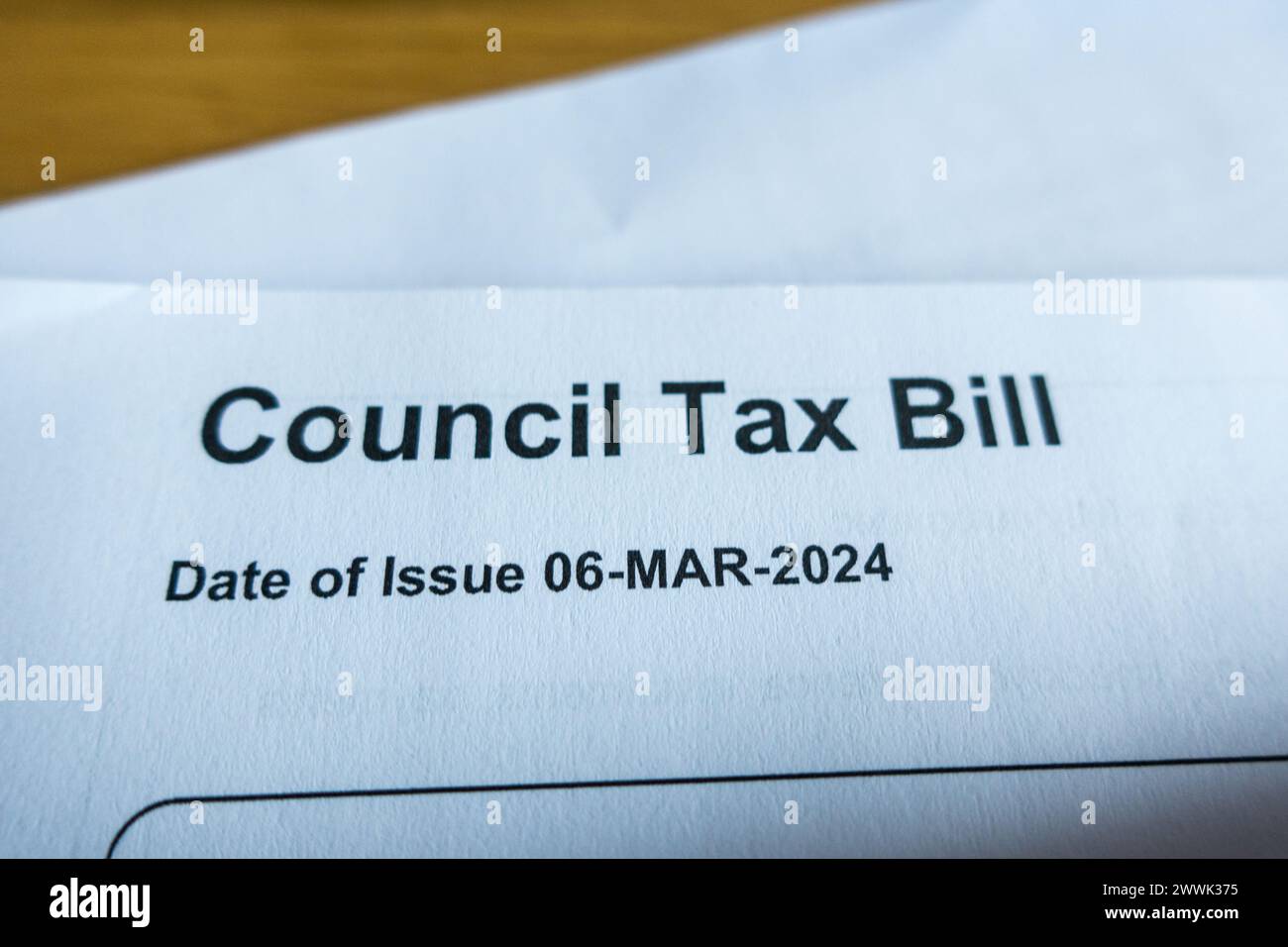
Council tax is a significant source of funding for local authorities across the United Kingdom, directly influencing the services provided to residents. As households face rising living costs, understanding council tax and its implications is more crucial than ever. This tax applies to local properties and is based on the estimated value of those properties, adjusted for factors such as occupancy and local councils’ funding needs.
Recent Changes and Impacts
In recent months, the United Kingdom has witnessed various changes in council tax policies driven by economic pressures. With inflation rates remaining high, many councils are faced with budget deficits, leading them to consider increasing the council tax rates. For instance, in April 2023, several councils raised their council tax by the maximum 5% allowed without a local referendum. This increase is aimed at addressing budget shortfalls primarily caused by rising costs in social care and essential services.
Additionally, some local authorities have introduced initiatives to support low-income households. Many councils are providing discounts or exemptions for those on benefits or with limited means in an effort to alleviate financial stress. The government has also recently implemented schemes to assist residents facing hardship, ensuring that those in need have access to the help they require.
Consequences of Council Tax Changes
The implications of council tax increases can be profound, influencing not only individual household budgets but also the overall economy. A significant rise in council tax can lead to residents reallocating spending, which may impact local businesses. Conversely, increased funds for councils can enhance local services such as waste collection, libraries, and public safety, contributing to overall community well-being.
Conclusion
In conclusion, understanding council tax, its recent developments, and its impacts on both individuals and communities is vital. While the necessity for increased revenue for local authorities is clear, it is essential that this burden does not disproportionately affect those who are already struggling financially. As councils evaluate their budgets and tax rates, ongoing communication with residents will be crucial to ensure transparency and maintain trust in local governance. Looking ahead, communities are encouraged to stay informed about council tax changes and participate in discussions regarding local taxation policies, as these decisions directly affect their quality of life.