









Introduction
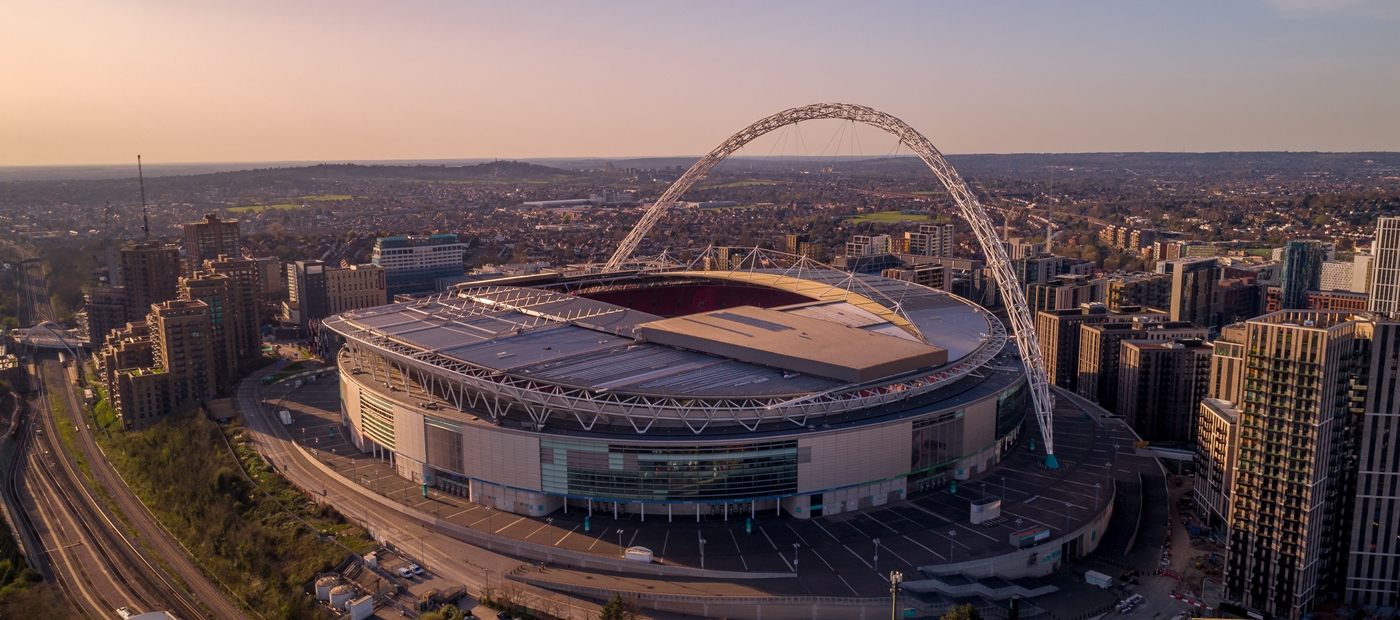
Wembley Stadium, located in London, is not only the largest stadium in the UK but also one of the most iconic venues globally. Renowned for its distinctive arch and capacity to host over 90,000 spectators, it serves as an essential hub for both sports and music events. The significance of Wembley Stadium extends beyond mere entertainment; it represents a cultural landmark where history is made and memories are forged.
Recent Events and Upcoming Highlights
In recent months, Wembley Stadium has continued its tradition of hosting high-profile events. On August 27, 2023, the stadium was abuzz with excitement as England faced off against Germany in a thrilling friendly match. The game attracted over 80,000 fans, who witnessed the national side’s impressive performance as they secured a 2-1 victory. This event highlighted the stadium’s continuing role as the home of English football.
In addition to sports, Wembley is scheduled to host several significant music concerts in 2024. International artists, including Taylor Swift and Ed Sheeran, have lined up to perform, bringing thousands of fans to the venue. These concerts are forecasted to generate substantial economic benefits for the local community, with increased visitors contributing to hospitality and retail sectors.
The Cultural Significance
Wembley Stadium’s importance is deeply intertwined with British culture. Opened in 2007, the new structure replaced the original Wembley Stadium, which was built in 1923. Over the years, the old stadium became synonymous with historic events, such as the 1966 World Cup final and the Live Aid concert in 1985. The new stadium continues this legacy by hosting events of both national and international significance.
Moreover, Wembley is increasingly becoming a venue for non-sporting events, including conferences and exhibitions, further enhancing its status as a multi-purpose facility. The stadium also serves as the official home for the English football team and regularly hosts the FA Cup final, ensuring its place in the hearts of sports fans.
Conclusion
Wembley Stadium remains a symbol of national pride and collective memory in the UK. With an exciting lineup of events, both sports and music aficionados can look forward to an exhilarating year ahead. As preparations for the upcoming concerts and matches continue, the focus will remain on how the stadium will adapt and thrive in an ever-evolving entertainment landscape. With its robust heritage and modern facilities, Wembley Stadium is poised to retain its position as the heartbeat of British culture for generations to come.