









Introduction
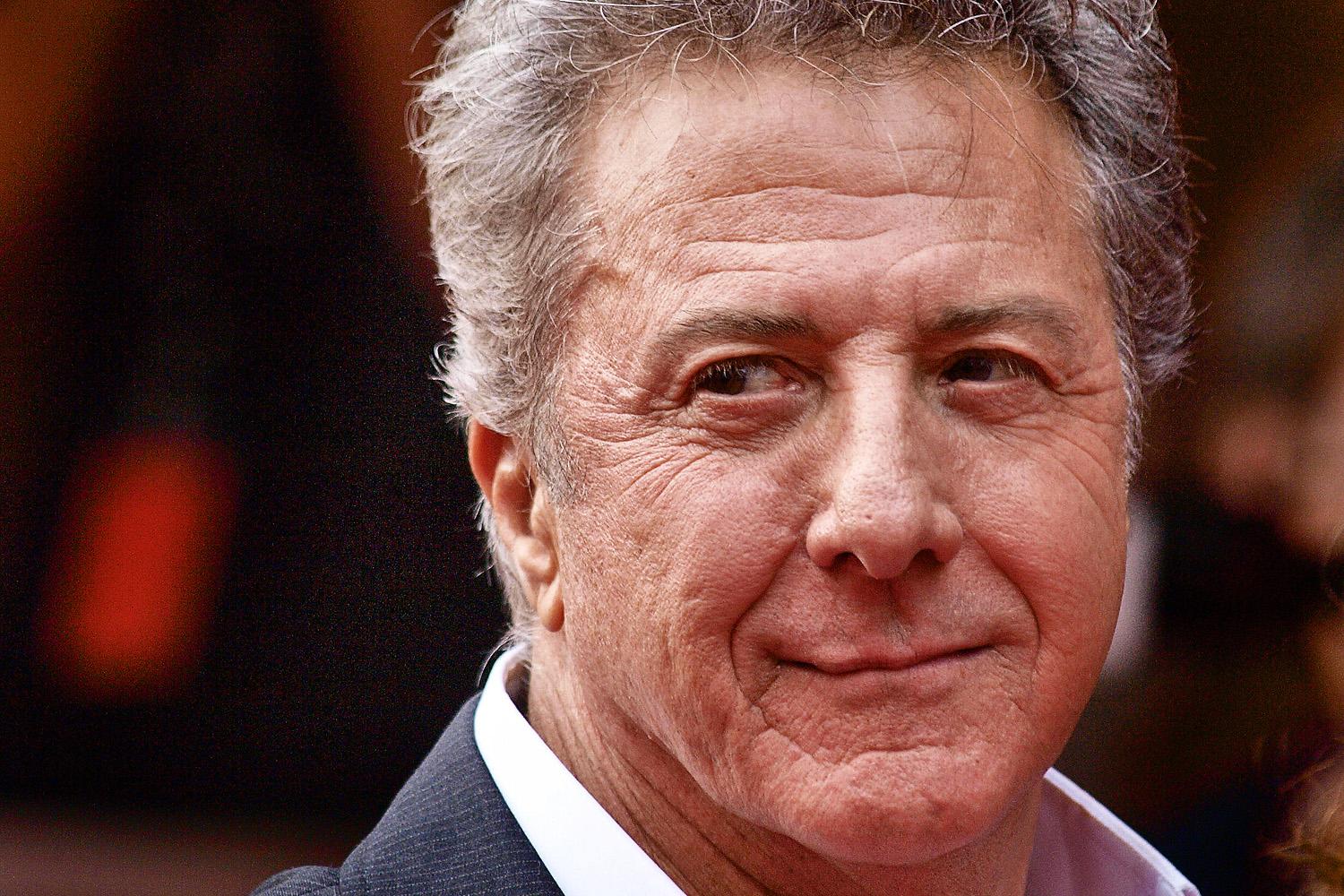
Dustin Hoffman is one of the most respected actors in American cinema, renowned for his versatile performances across a wide array of genres. With a career spanning over five decades, Hoffman has become a symbol of cinematic excellence. His contributions to film not only entertain but also provoke thought and inspire generations of actors and filmmakers.
Career Highlights
Hoffman first gained critical acclaim for his performance in the 1967 film The Graduate, where he portrayed the love-stricken Benjamin Braddock. This role showcased his ability to vividly capture the complexities of youth and existential angst, which resonated deeply with audiences. Over the years, he accumulated a slew of accolades, including two Academy Awards for Best Actor for Rain Man (1988) and Kramer vs. Kramer (1979).
His filmography is diverse, encompassing various roles in classics such as Tootsie (1982), All the President’s Men (1976), and Midnight Cowboy (1969). Hoffman’s performances are characterized by their profound emotional depth, often compelling the audience to reflect on personal and societal issues.
Recent Developments
Recently, Hoffman has returned to the spotlight with his participation in various projects. His latest film, Luckiest Girl Alive, released in 2022, has been well-received, showcasing his continued relevance in the industry. Furthermore, he has made appearances on stage, often sharing insights on his craft, mentoring young actors, and discussing the evolution of cinema in a digital age.
Conclusion
The enduring legacy of Dustin Hoffman is significant not only for his artistic achievements but also for his influence on the film industry and acting as a craft. As he continues to work, audiences can anticipate new performances that challenge and engage, a testament to his lifelong commitment to storytelling. Hoffman’s journey reflects the changes within the cinematic landscape and serves as an inspiration for both current and future generations of artists.