









Introduction
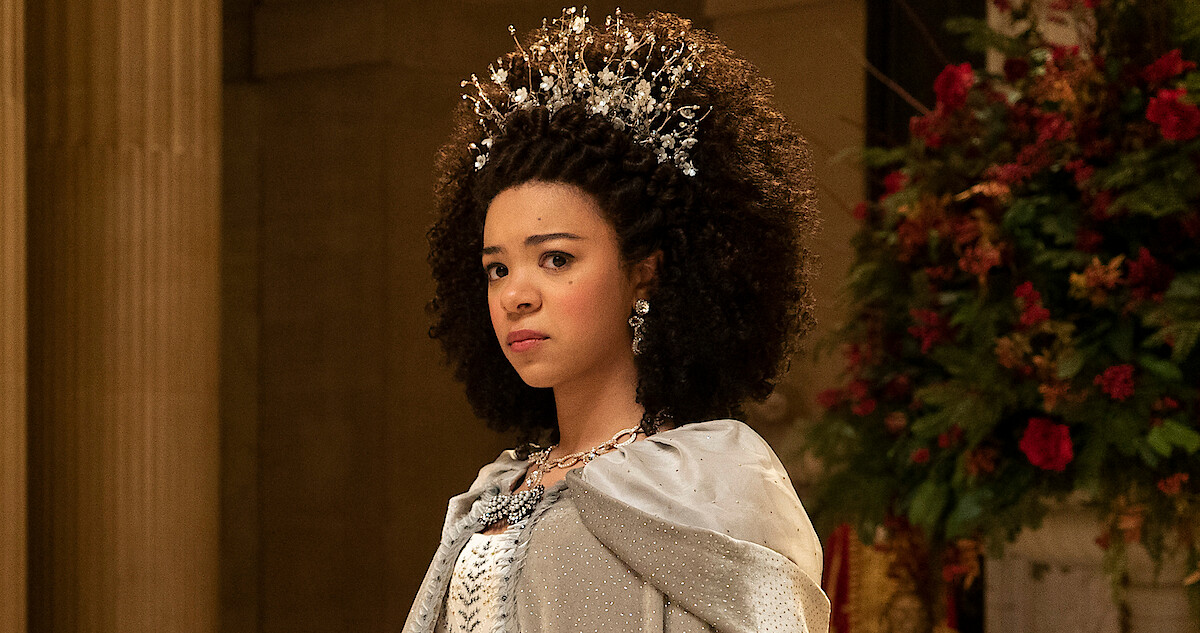
Queen Charlotte, consort to King George III, plays a pivotal role in British history, known for her contributions to the arts, her influence on society, and her impact on royal lineage. Her legacy remains relevant today as discussions about her contributions to the monarchy and her support for social issues continue to shape public interest.
Historical Context
Born on May 19, 1744, in Mecklenburg-Strelitz, Germany, Charlotte married King George III in 1761. Their union had a significant impact on Britain’s royal family and the empire at large. As queen consort, Charlotte was a calming presence during tumultuous political times, including the American Revolutionary War. Her dedication to her family and support for her husband’s reign set a foundation for royal duty and public service.
Contributions to Society
Queen Charlotte was not only known for her role in the monarchy but also for her contributions to the arts and sciences. She was a patron of notable figures including botanist Sir Joseph Banks and supported the establishment of Kew Gardens, which remains a national treasure today. Charlotte also played a crucial role in promoting education and encouraging charities that aided the poor and disenfranchised. Her interest in the arts fostered a cultural renaissance in Britain during her lifetime.
Impact on Royal Family and Legacy
As the mother of fifteen children, including future monarchs George IV and William IV, Queen Charlotte’s influence on the royal lineage cannot be overstated. The family values she instilled, including duty, resilience, and public service, set a precedent for subsequent generations. Moreover, the historical narratives surrounding her life have sparked renewed interest in her legacy, as historians re-evaluate her impact beyond her marital bond.
Conclusion
Queen Charlotte remains a vital figure in understanding British history, with her influence permeating various aspects of society. As interest in her legacy grows, particularly with recent cultural portrayals in popular media, it is important for contemporary audiences to recognise her contributions beyond her royal status. It is evident that her commitment to the arts, education, and social causes has left an enduring mark on both the monarchy and the nation at large, highlighting the significance of her story in shaping modern perspectives on historical female figures.