









Introduction
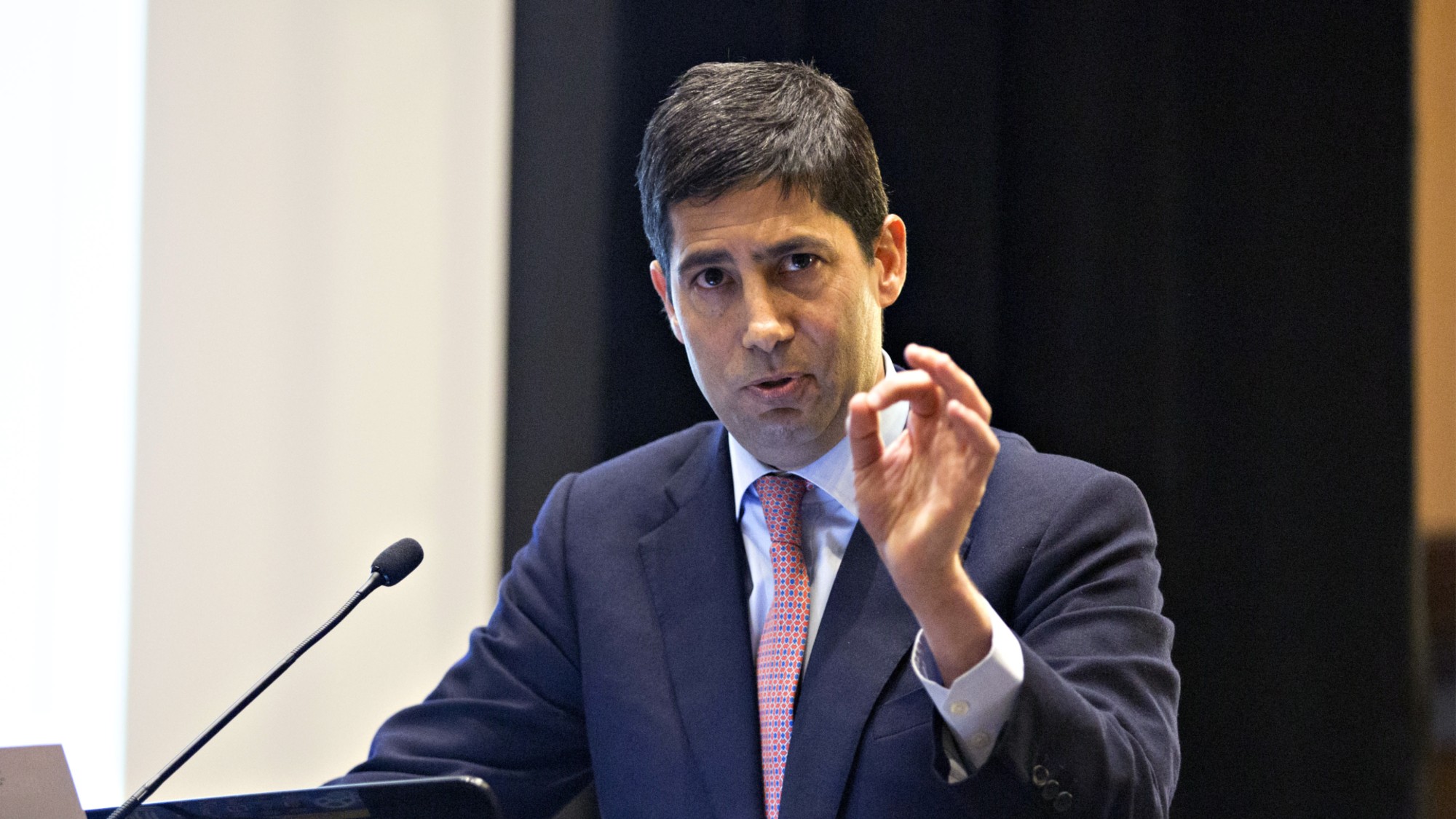
Kevin Warsh is a prominent figure in economic advisory and policymaking, currently recognised for his insights and substantial contributions to economic discussions in the United States. As a former member of the Federal Reserve Board, his perspectives are particularly relevant amidst ongoing challenges in global and domestic economies.
Background and Career
Kevin Warsh served on the Federal Reserve Board from 2006 to 2011, appointed during a crucial time when the economy was undergoing the Great Recession. His tenure was marked by a focus on monetary policy and the regulatory framework surrounding financial institutions. Warsh’s academic credentials, including an MBA from Stanford University and a background in economics, further reinforce his expertise in the field.
After leaving the Federal Reserve, Warsh transitioned into a role at Stanford’s Hoover Institution, where he has since been involved in research and policy advocacy, addressing economic resilience and innovation.
Recent Contributions
In recent months, Warsh has been vocal about various economic challenges, particularly in relation to inflation and Federal Reserve policies. His critiques concerning current interest rate policies and stimulus measures have ignited debates among economists and policymakers. Warsh argues that the Federal Reserve must adopt a more adaptive monetary policy that considers long-term economic implications rather than short-term fixes.
Moreover, Warsh has been involved in advising institutions and private-sector initiatives that focus on enhancing productivity and fostering innovation, which he believes are vital for sustaining economic growth in the post-pandemic world.
Conclusion
Kevin Warsh remains an influential voice in economic policy discussions, advocating for robust frameworks to tackle contemporary issues such as inflation and economic stagnation. As debates around the effectiveness of current monetary policies continue, his insights will be crucial for shaping future economic strategies. For readers, understanding Warsh’s perspectives offers a clearer view of the complexities involved in governing economic policies and their significance for stability and growth.