









Introduction
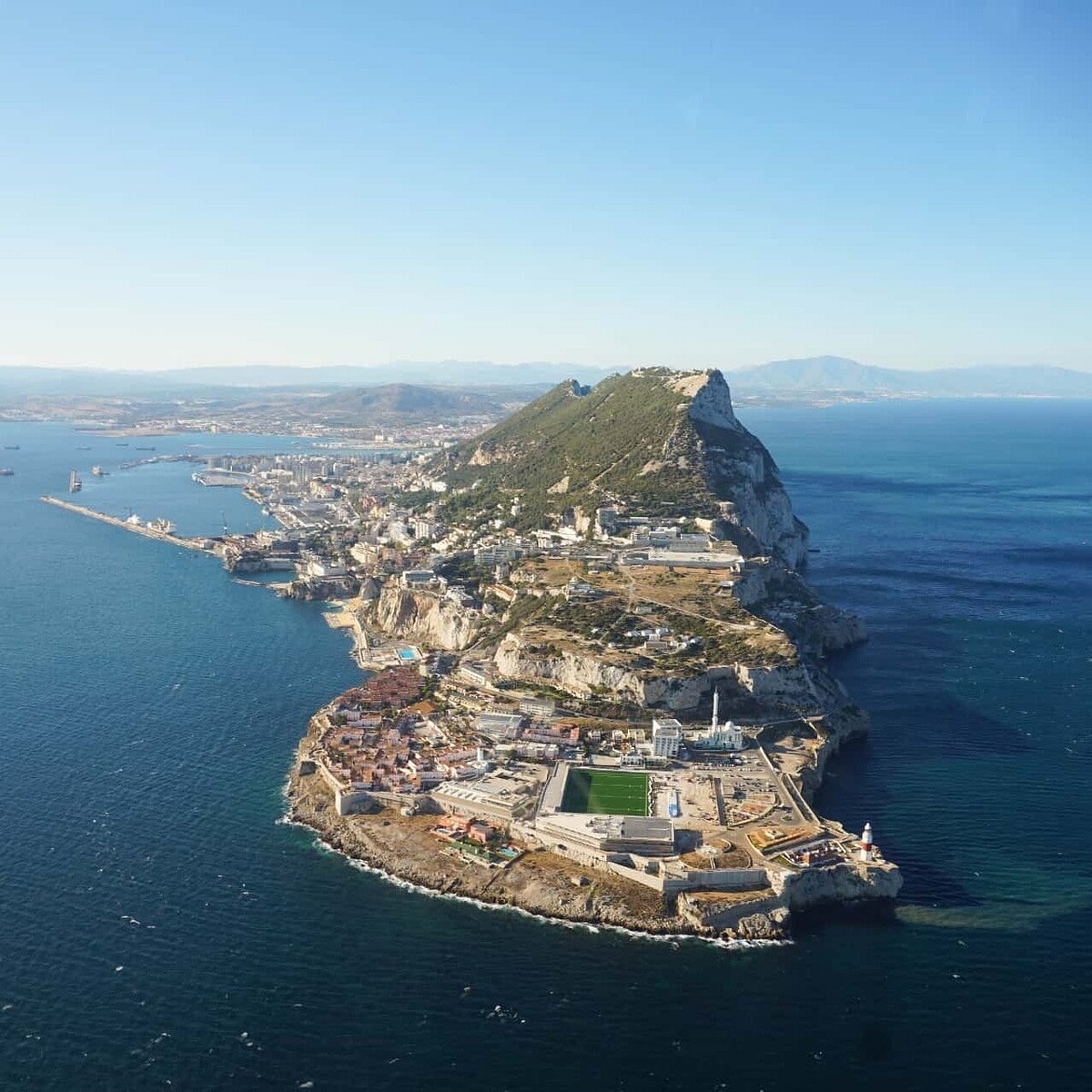
Gibraltar, a small yet strategically significant territory at the southern tip of the Iberian Peninsula, continues to hold immense importance in European and global politics. Known for its iconic Rock that towers over the narrow strait it guards, Gibraltar serves as a key maritime gateway between the Atlantic Ocean and the Mediterranean Sea. As political tensions surrounding Brexit and international heritage site discussions heat up, understanding Gibraltar’s role in the region has never been more relevant.
Historical Context
Gibraltar has a rich history dating back to ancient times, serving as a vital outpost for various civilisations, including the Phoenicians and Romans. The territory has been under British rule since 1713, following the Treaty of Utrecht, which established British sovereignty amidst ongoing territorial disputes, particularly with Spain, which also claims the territory. Gibraltar’s unique position has led to its designation as a British Overseas Territory, which has implications for its governance, legislation, and international relations.
Current Geopolitical Issues
Today, Gibraltar’s status remains contentious, especially in light of Brexit. The departure of the UK from the European Union has created uncertainties regarding trade, travel, and regulations within the territory. Negotiations between the UK, Spain, and the EU are ongoing to establish a framework governing Gibraltar’s future dealings as a semi-autonomous territory outside the EU. Additionally, issues relating to sovereignty, territorial waters, and cross-border relationships with Spain provoke discussions in both local and international arenas.
Significance of Gibraltar
Economically, Gibraltar thrives on tourism, financial services, and shipping, including a strategically positioned naval base that plays a vital role in NATO’s Mediterranean operations. The upcoming celebrations of Gibraltar’s national day and its push for self-determination underline the local population’s identity and aspirations. Gibraltar’s citizens overwhelmingly favour remaining British, as indicated by a 2002 sovereignty referendum, emphasising the deep-rooted historical ties and cultural identity linked to the territory.
Conclusion
As tensions regarding Gibraltar continue to evolve, it remains essential for residents, policymakers, and international observers to monitor the developments closely. The geopolitical significance of Gibraltar as a military and commercial gateway is anticipated to grow, especially with potential changes in EU relations post-Brexit. For readers, understanding Gibraltar’s dynamic role in contemporary politics provides valuable insights into larger themes of identity, sovereignty, and self-determination in a complex global landscape.