









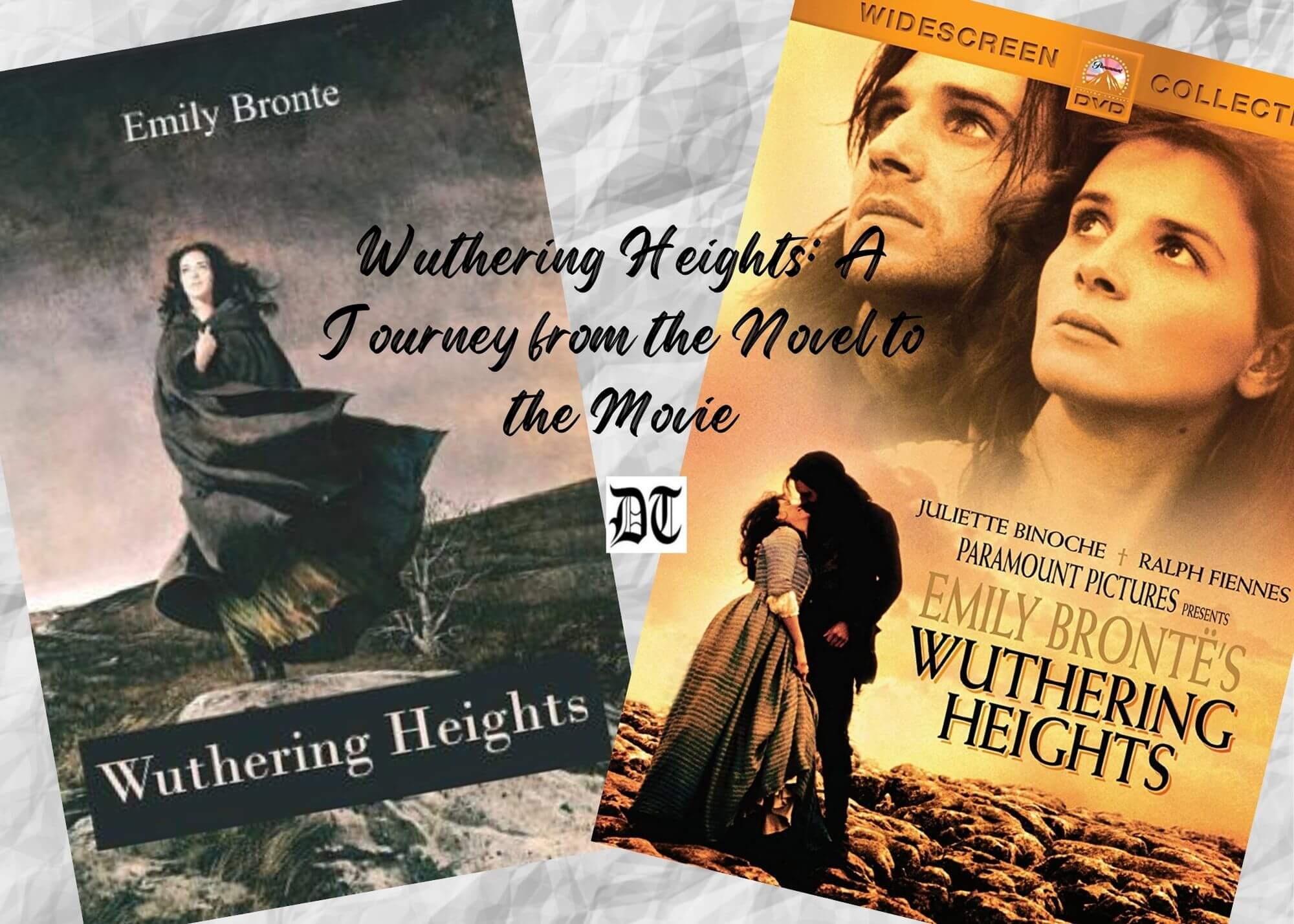
Introduction to Wuthering Heights
Wuthering Heights, written by Emily Brontë, is a timeless classic that has been the subject of numerous adaptations in film and television. Its themes of love, revenge, and nature’s wrath resonate deeply, making it an enduring tale that captures the imagination. The significance of Wuthering Heights lies in its rich character development and emotional depth, which have inspired filmmakers to reinterpret the story for new audiences. Understanding its adaptations offers insight into how storytelling evolves while maintaining core themes.
Notable Film Adaptations
Since its publication in 1847, Wuthering Heights has seen several adaptations. Notably, the 1939 film starring Laurence Olivier and Merle Oberon remains a classic, albeit one that takes considerable liberties with the original plot. Its sweeping cinematography and dramatic performances set the tone for future interpretations.
In the 1970s, a television adaptation aired on BBC, offering a more faithful rendition of Brontë’s narrative, focusing on the dark and tortured love story between Heathcliff and Cathy. This version appealed to audiences seeking an authentic representation of the novel’s emotional landscape.
Recent adaptations, such as the 2011 film directed by Andrea Arnold, have sought to capture the raw intensity of the characters’ relationships and the stark beauty of the Yorkshire moors. Arnold’s film, which employs a more visceral style, garnered positive reviews for its unflinching portrayal of Heathcliff and Cathy’s tumultuous connection.
Modern-day Relevance
Each iteration of Wuthering Heights reflects the time in which it was produced, showcasing changing societal values and cinematic techniques. The exploration of themes such as class, gender, and the supernatural continues to resonate today, drawing in audiences who can relate to the complexity of its characters and their passions.
Conclusion: The Significance for Viewers
As filmmakers continue to adapt Wuthering Heights, the key takeaway is the enduring relevance of Brontë’s story. Each adaptation offers a unique perspective, inviting viewers to engage with the material critically. For those new to the tale, the variety of interpretations enhances their understanding and appreciation of the original work. Ultimately, the legacy of Wuthering Heights reminds us that great literature transcends time, continually inspiring innovation in storytelling.