









Introduction
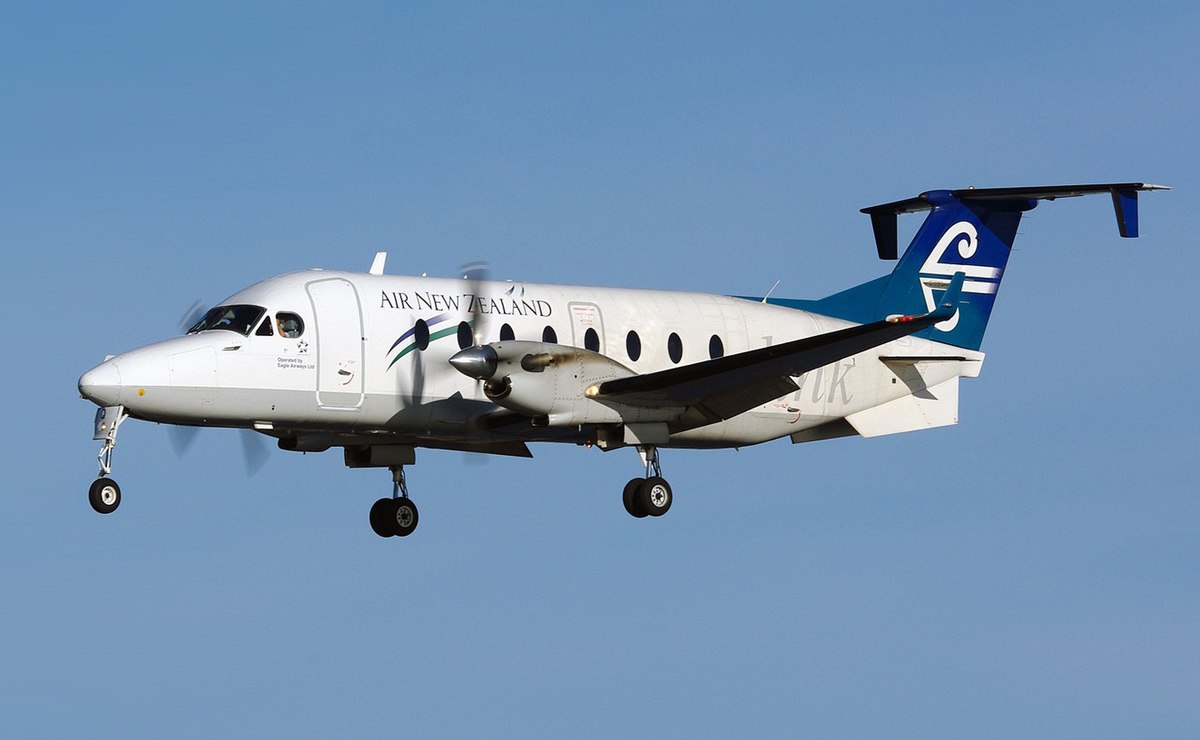
The Beechcraft 1900 is a notable twin-engine turboprop aircraft that has made a significant impact in the regional aviation industry since its introduction. First flown in 1982 and produced until 2002, it has served many commercial and private operators, offering reliability and versatility. Its relevance remains today as it is often seen as a benchmark for similar aircraft.
Specifications and Features
The Beechcraft 1900 can accommodate up to 19 passengers, making it ideal for regional service. With a maximum cruising speed of approximately 300 knots and a range of about 1,500 miles, it is well-suited for short to medium-haul flights. The aircraft is powered by two Pratt & Whitney Canada PT6A-67D engines, renowned for their efficiency and performance.
Current Usage and Market
Today, the Beechcraft 1900 is no longer in production but continues to fly with various operators across the globe. It is utilised in commercial aviation, cargo transport, and air ambulance services. Some operators have even adapted the aircraft for special missions, including surveillance and quick response roles. However, with advancements in technology and the emergence of more fuel-efficient alternatives, the market for the 1900 is gradually declining.
Conclusion
As regional airlines look to upgrade their fleets, the Beechcraft 1900 serves as a classic example of robust aircraft design catering to various aviation needs. While its production has ceased, the aircraft’s legacy continues to influence new generations of turboprop aircraft. For aviation enthusiasts and potential buyers looking for a cost-effective solution in the used aircraft market, the Beechcraft 1900 remains a steadfast choice.