









Introduction
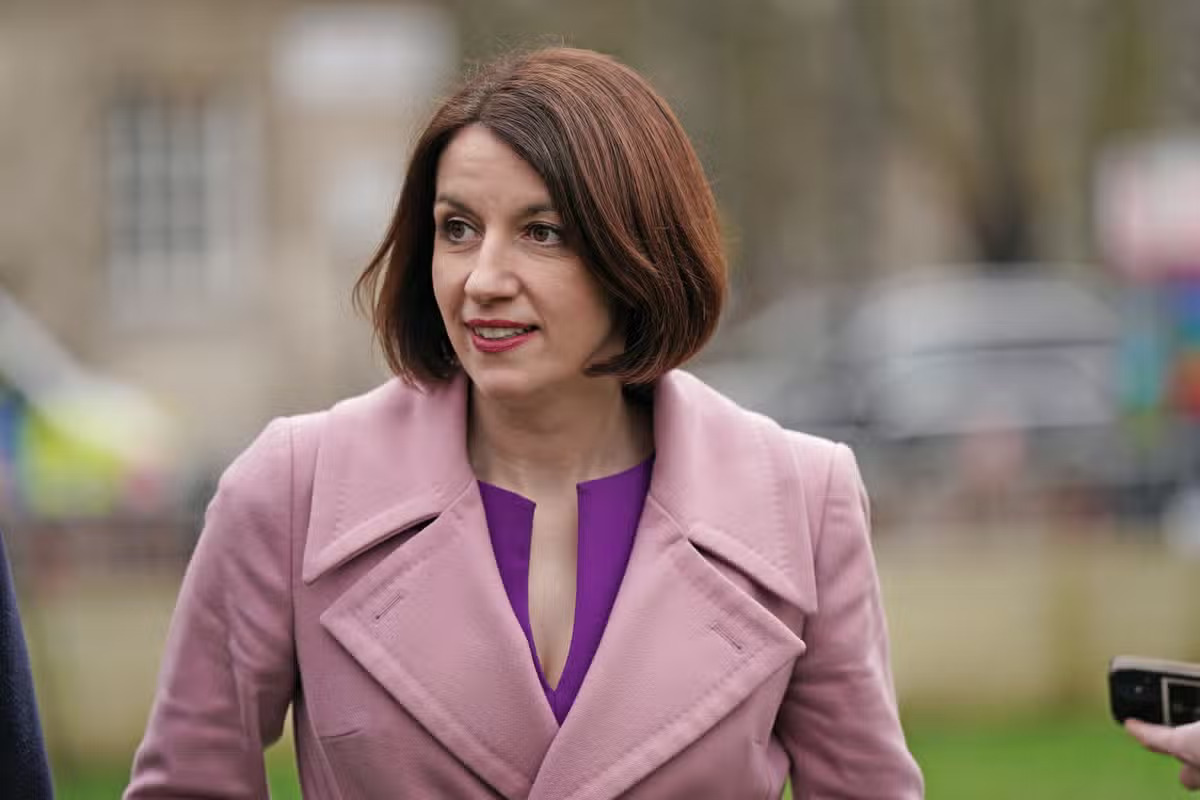
Bridget Phillipson’s appointment as the UK’s new Secretary of State for Education has captured significant attention in the political landscape. Her leadership is considered crucial not only for the current challenges facing the education sector but also for the future direction of educational policy in the UK. Following her elevation to the cabinet in July 2023, Phillipson is expected to drive reforms aimed at improving educational standards and ensure that students receive a quality education amidst growing concerns surrounding learning deficits post-pandemic.
Key Policies and Plans
Since her appointment, Phillipson has expressed a strong commitment to enhancing access to high-quality education for all students. She has laid out an ambitious agenda that includes addressing the funding disparities among schools in different regions, improving teacher training and retention, and prioritising mental health support for students. Her previous experience as Shadow Minister for Education positioned her well to identify gaps within the current system and propose evidence-based solutions.
Moreover, Phillipson has advocated for the integration of technology in classrooms, responding to the growing demand for digital skills in the workforce. This reflects the government’s recognition of the importance of preparing young people for a rapidly changing job market.
Current Challenges
The new Education Secretary faces several pressing challenges. The ongoing impact of the COVID-19 pandemic on student learning outcomes remains a significant concern. Recent studies show that many students have fallen behind, with disadvantaged groups disproportionately affected. To counteract this, Phillipson is expected to work on initiatives that enhance tutoring programmes and summer schools aimed at helping those who have struggled the most.
Public and Political Reactions
Initially, her appointment has received a mixed response from the public and various education stakeholders. Supporters highlight her proactive stance on education and her goal of equal opportunity for all learners, while critics urge that policies need to be implemented effectively and with adequate funding to make a tangible difference. As debates unfold, it will be essential for Phillipson to engage with both educators and parents to foster a collaborative environment for educational reforms.
Conclusion
Bridget Phillipson’s role as Education Secretary marks a pivotal moment for the UK education system. With her forward-thinking policies and dedication to ensuring high standards, there is considerable hope that she can enact significant positive change. As the education landscape continues to evolve, her leadership may critically shape the future of education in the UK, making it an important time for stakeholders to monitor her developments closely. The successful tackling of issues such as educational inequality and the adoption of modern teaching methods could set a new standard for generations to come.