









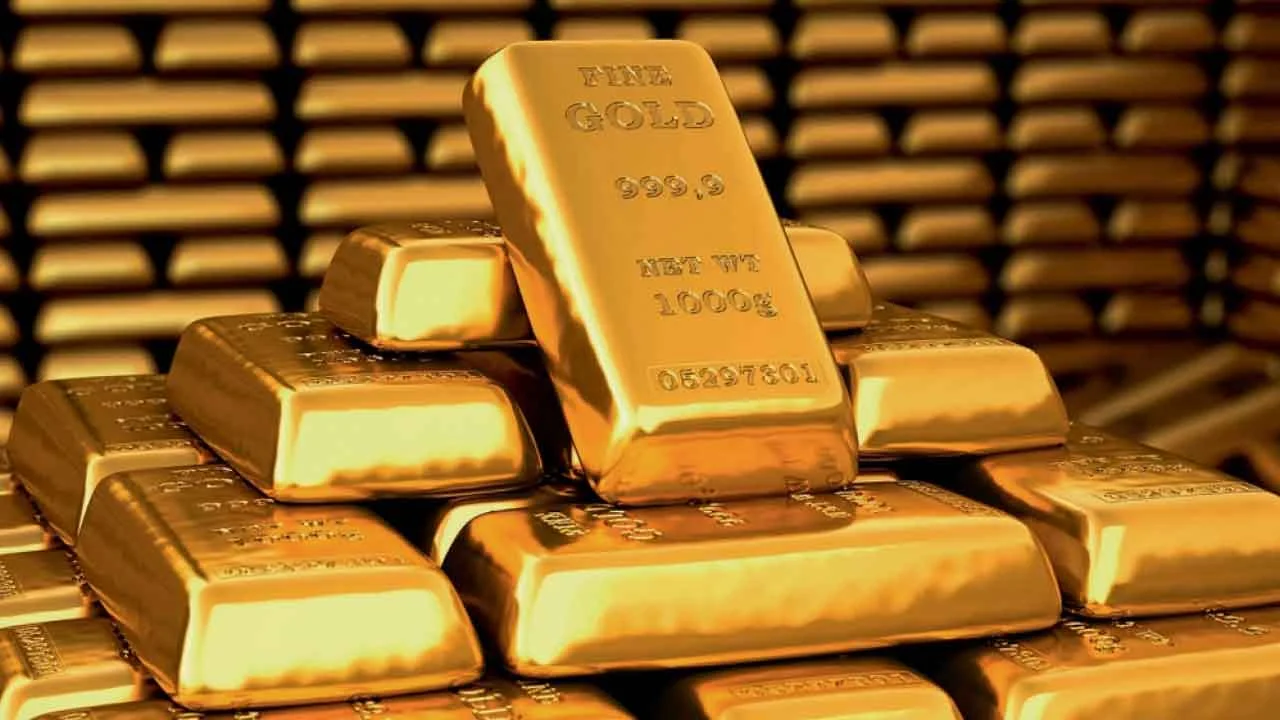
The Importance of Tracking Gold Rates
The price of gold is a critical indicator of economic stability and consumer confidence globally. As a traditional safe-haven asset, fluctuations in gold rates can influence purchasing decisions, investment strategies, and even currency valuations. Given the current global economic uncertainty compounded by geopolitical tensions and inflationary pressures, keeping an eye on the gold rate today is particularly essential for both consumers and investors.
Current Gold Rate Analysis
As of today, the spot price of gold has seen notable fluctuations, currently standing at approximately £1,570 per ounce. This reflects a slight increase of about 1% compared to last week. Analysts attribute this rise to ongoing inflation concerns and a weaker pound due to the Bank of England’s recent monetary policy decisions, which have pushed investors towards gold as a hedge against inflation.
The demand for gold remains strong in various regions, with central banks continuing to add to their reserves. For instance, data from the World Gold Council indicates that in the second quarter of 2023, global gold demand rose by 10% year-on-year, highlighting a robust appetite for the yellow metal among institutional investors. Moreover, the wedding season in some countries is also prompting increased purchases for jewellery purposes, further supporting the price.
Factors Influencing Today’s Gold Prices
Several key factors are influencing gold rates today:
- Inflation: Persistent inflationary pressures worldwide have led to increased interest in gold as a hedge against currency devaluation.
- Geopolitical Tensions: Ongoing conflicts and political instability continue to drive demand for safe-haven assets, with gold being a primary beneficiary.
- Interest Rates: With central banks holding off on substantial rate increases, the opportunity cost of holding gold remains low, supporting its price.
Future Trends and Forecasts
Looking ahead, analysts predict that gold rates are likely to remain volatile in the coming months. Economic indicators suggest possible increases in interest rates, which could dampen enthusiasm for gold temporarily. However, should inflation remain high and geopolitical uncertainties persist, many analysts believe that gold might retain its appeal as a long-term investment. Investors are advised to closely monitor economic reports and market trends as they navigate their gold investment strategies.
Conclusion
In summary, today’s gold rate reflects a complex interplay of economic factors, investor sentiment, and geopolitical events. As we continue to witness global financial challenges, the importance of tracking gold prices cannot be overstated. Investors and consumers alike should stay informed to make the best decisions amid these changing times.