









Introduction
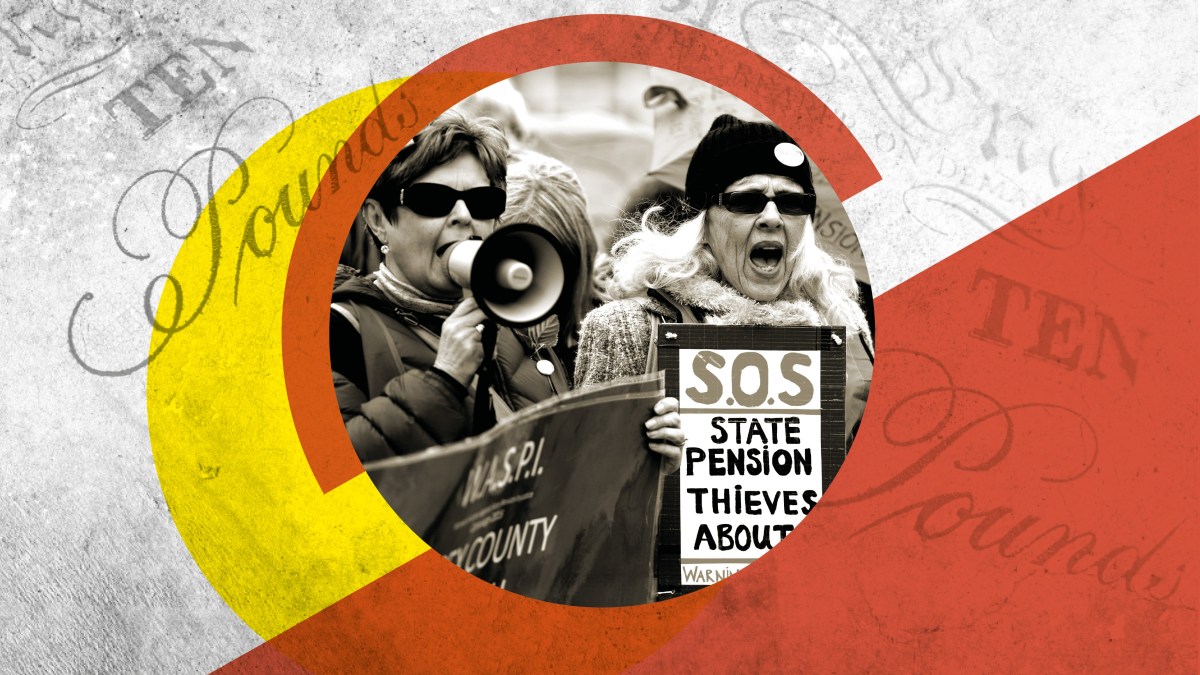
The Women Against State Pension Inequality (WASPI) campaign has become a pivotal movement in the UK, advocating for the rights of women born in the 1950s who have been adversely affected by changes to the state pension age. The issue has garnered considerable attention, highlighting the broader discussion on gender equality in pensions and social security.
Background of the WASPI Campaign
The WASPI campaign was launched in 2015, primarily focusing on the women who experienced a significant increase in their state pension age, which was moved from 60 to 66 under the 1995 and 2011 Pensions Acts. Many of these women, who had planned their retirements based on the previous rules, found themselves facing unexpected financial uncertainty, leading to the formation of the WASPI movement to seek justice and compensation.
Current Developments
Recently, as of October 2023, the WASPI campaign has intensified its efforts, launching new initiatives and partnerships to raise awareness about their plight. Numerous protests and public events were held in various cities, urging the government to reconsider its stance on the pension changes and to provide transitional support for affected women. Over 200,000 individuals have signed petitions advocating for the campaign’s proposals, reflecting its growing support among the public.
Government Response
Despite the mounting pressure, the UK government has maintained its position regarding the state pension reforms, citing the need for financial sustainability and fairness across the pension system. However, this response has not quelled the determination of the WASPI campaigners. The campaign continues to seek legal challenges and push for national discussions to address the inequalities faced by these women.
The Importance of the WASPI Movement
The WASPI campaign stands not just for the financial rights of women in their 50s and 60s, but also highlights a larger systemic issue in the UK’s approach to pensions and gender equality. This movement underscores the necessity for policy makers to contemplate the long-term implications of pension reforms and to consider the broader social impact on women who are already facing age-related discrimination in the workforce.
Conclusion
The WASPI campaign remains a significant force in the fight for fairness, and as discussions continue, it is clear that the demands for justice and equality in pension systems will persist. As the government navigates budget constraints and demographic changes, the outcome of this campaign could set a precedent for how future pension policies are crafted, ultimately shaping the financial security of countless individuals. The significance of this issue extends beyond those directly affected, influencing discussions on societal values, gender equality, and the rights of individuals in retirement.