









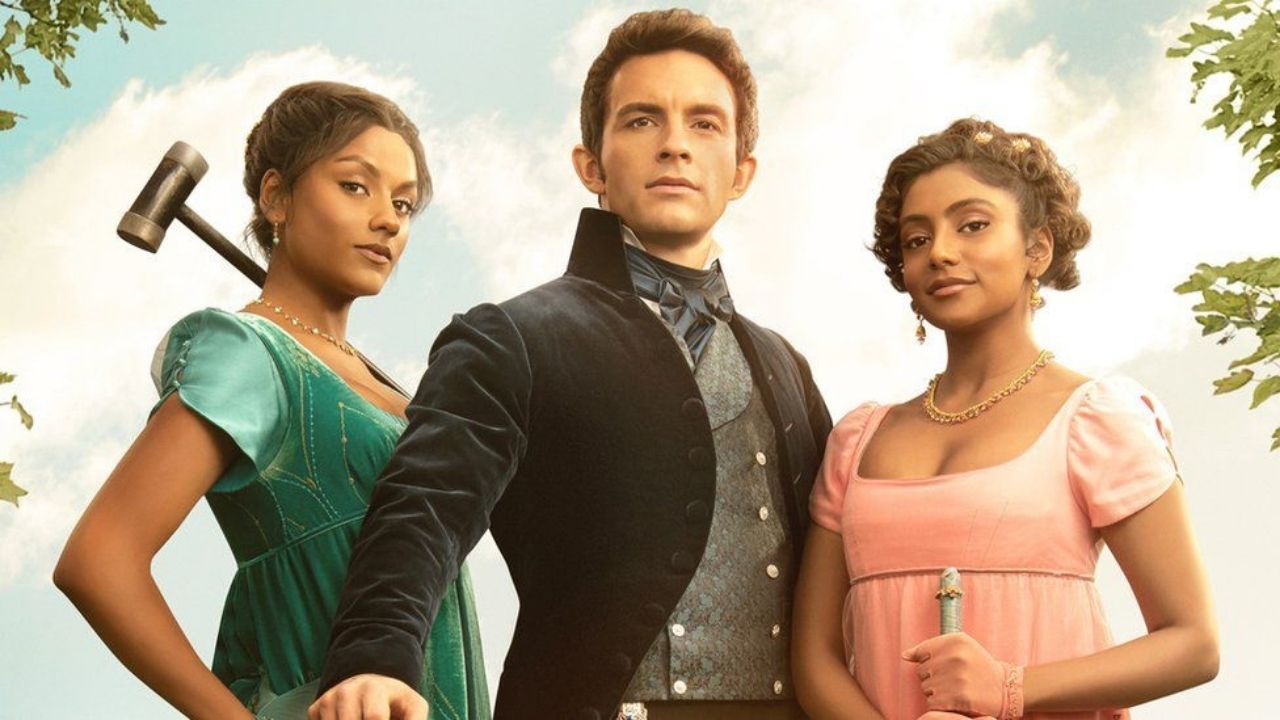
Introduction to Bridgerton
‘Bridgerton’ is a period drama series created by Chris Van Dusen and produced by Shondaland, based on the novels by Julia Quinn. Since its debut on Netflix in December 2020, the series has become a cultural sensation, praised for its diverse casting, stunning visuals, and modern storytelling approach to Regency-era romance. The show’s significance extends beyond entertainment, as it has sparked conversations about representation and the evolution of historical narratives in media.
Plot Overview and Cast
The series is set in 1813 Regency-era London and follows the lives of the Bridgerton family as they navigate love, society, and scandal, all while dealing with the societal pressures of the time. The first season centres on Daphne Bridgerton, played by Phoebe Dynevor, as she makes her debut in the marriage market, under the watchful eye of her mother and the mysterious Lord Simon Basset, portrayed by Regé-Jean Page. Their chemistry ignites a whirlwind romance that captivates audiences.
Cultural Impact
Bridgerton has been lauded for its rich storytelling, lush cinematography, and for introducing a diverse cast to a genre often criticized for its lack of representation. The series features actors of various ethnic backgrounds, a departure from the traditional portrayals in period dramas. This inclusivity has resonated with viewers and is a crucial aspect of its appeal, encouraging a re-examination of historical narratives.
Additionally, the show’s use of contemporary pop songs reimagined as classical arrangements has contributed to its modern feel, attracting a broad audience.
Recent Developments and Future Seasons
As of October 2023, fans are eagerly anticipating the release of the third season, which is expected to explore the love story of Benedict Bridgerton. The success of ‘Bridgerton’ has not only prompted the production of multiple seasons but also a spin-off series focusing on Queen Charlotte’s origin story. With its compelling characters and intricate plotlines, ‘Bridgerton’ continues to cultivate a dedicated fanbase.
Conclusion
In summary, ‘Bridgerton’ has redefined the landscape of period dramas with its innovative approach to storytelling and commitment to representation. Its impact on culture and television is significant, marking a shift in how historical narratives are crafted and portrayed. As audiences eagerly await upcoming seasons and spin-offs, it is clear that the legacy of ‘Bridgerton’ will influence the genre for years to come.