









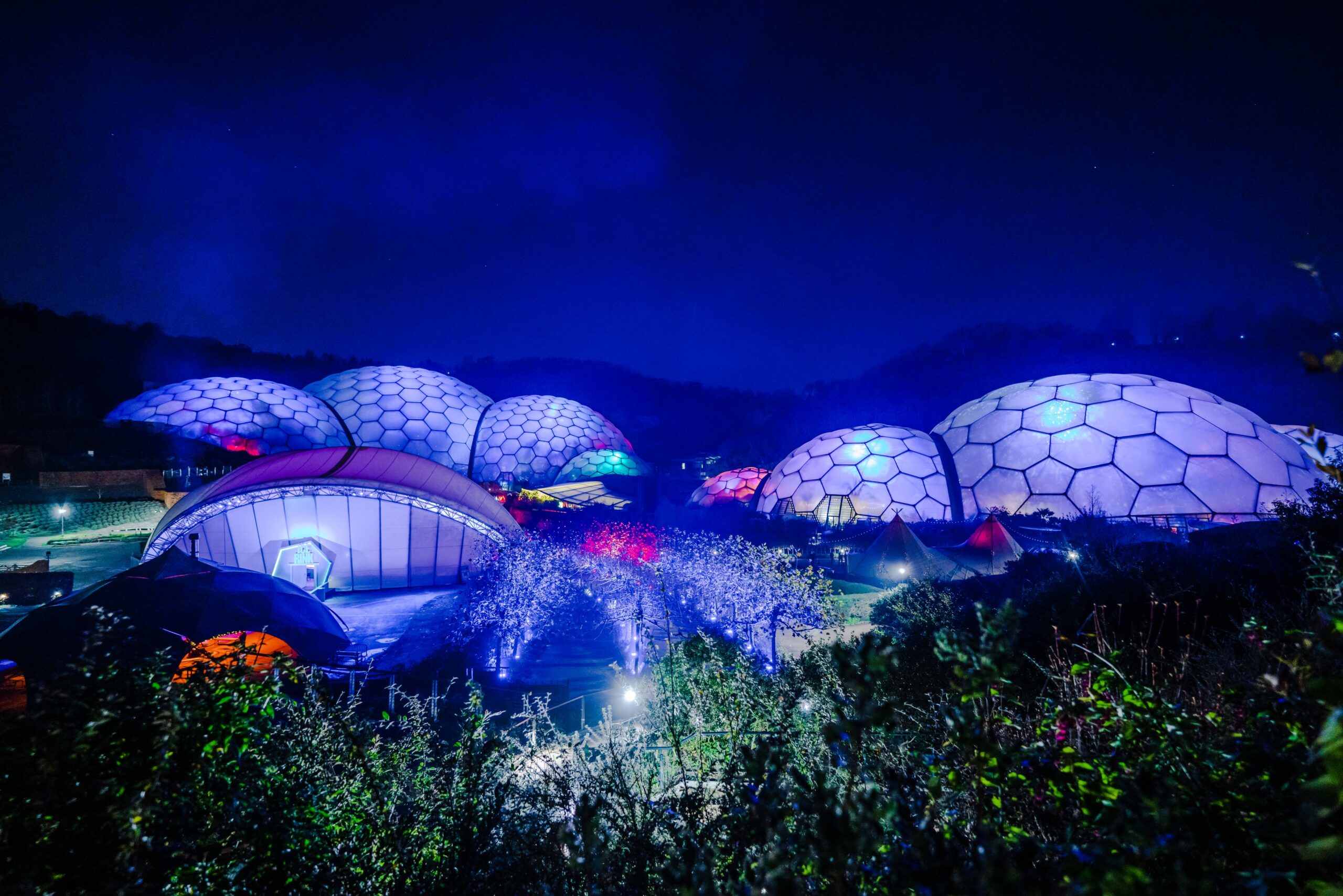
Introduction to the Eden Project
The Eden Project, located in Cornwall, England, is an iconic environmental and educational complex that has gained international recognition since its opening in 2001. The project hosts a collection of biomes that house diverse plant species from various ecosystems, making it a significant site for ecological research and awareness around sustainability. The importance of the Eden Project lies not only in its botanical displays but also in its mission to promote ecological education and inspire visitors to engage in conservation practices. Its relevance has grown ever more critical in the face of climate change and biodiversity loss.
Structure and Design
The Eden Project is composed of several distinct biomes, including the Rainforest Biome, which is the largest indoor rainforest in the world, and the Mediterranean Biome, showcasing plants from warm temperate regions. These innovative geodesic structures, made predominantly from hexagonal and pentagonal glass panels, mimic natural ecosystems while providing a controlled environment necessary for nurturing diverse plant life. The design not only serves an educational purpose but also demonstrates cutting-edge architectural and engineering principles aimed at sustainability.
Recent Developments
In recent years, the Eden Project has continued to expand its initiatives around climate change and sustainability. As of 2023, the project has launched several new educational programs targeting schoolchildren and local communities, focussed on climate action and environmental stewardship. Special exhibitions showcasing local produce and biodiversity have also been introduced, promoting the significance of local ecosystems and sustainable practices. To further enhance its global reach, the Eden Project is exploring opportunities for expansion internationally, with plans for projects in countries such as China.
Conclusion and Future Significance
The Eden Project’s influence extends beyond the boundaries of its biomes, shaping public discourse on environmental issues and inspiring conservation efforts globally. As it adapts to the growing ecological challenges of our time, the Eden Project sets an example of how integrated concepts of education, tourism, and sustainability can positively impact both local and global communities. For visitors and stakeholders alike, the Eden Project remains a beacon of hope and innovation, illustrating the power of collective action in the fight against climate change.