









Introduction
The ‘Day of the Jackal’ is a pivotal title in both literature and film that remains relevant in discussions around political thrillers and assassination plots. Originally penned by Frederick Forsyth in 1971, the novel’s themes of espionage, betrayal, and meticulous planning have captivated audiences and influenced many genres. Its relevance can be observed in the cinematic realms that explore similar themes of tense political narratives and unpredictable twists.
The Novel’s Background
Frederick Forsyth’s debut work, ‘The Day of the Jackal’, was not only a commercial success but also received critical acclaim for its detailed storytelling and well-researched background on real political events. The narrative follows an unnamed assassin, known as the Jackal, who is hired to eliminate French President Charles de Gaulle. Through meticulous planning and execution, the Jackal almost succeeds, showcasing the intricacies of political motivations and the lengths to which individuals will go for their beliefs. Forsyth’s background as a journalist contributed to the novel’s authenticity, cementing its place as a classic in the thriller genre.
Cinematic Adaptation
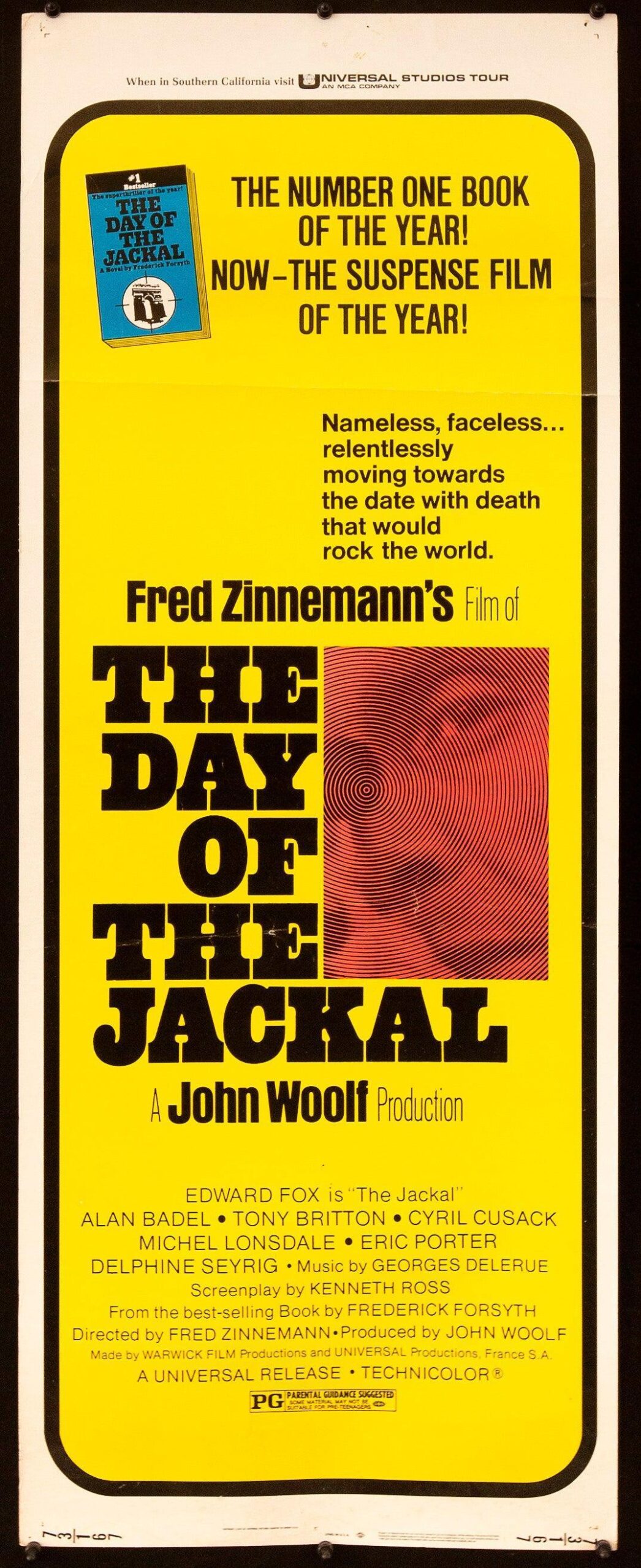
The story was adapted into a film in 1973, directed by Fred Zinnemann, which further popularised the story and introduced the tension of the plot to a broader audience. The film maintained the book’s suspenseful nature while adding visual elements that enhanced the narrative. The portrayal of the Jackal, played by Edward Fox, has since become iconic, symbolising the archetype of the lone assassin operating under a strict moral code. The film closely follows the novel’s plot, with the rich backdrop of French politics illustrating the high stakes involved.
Cultural Impact and Legacy
Over the years, ‘The Day of the Jackal’ has influenced numerous works across various media, inspiring a range of novels, films, and television shows that delve into similar themes of political conspiracy and assassination. The character of the Jackal himself has been referenced multiple times, becoming a staple in discussions about anti-heroes in literature and media. Additionally, the work has spurred academic discussions around its implications regarding state-sanctioned violence and the ethical implications of assassination.
Conclusion
The lasting significance of ‘The Day of the Jackal’ demonstrates the power of storytelling to engage with complex themes of morality, politics, and the human condition. As new generations discover the original text and its adaptations, the narrative continues to resonate, serving as both an entertaining thriller and a reflective commentary on the motives behind political violence. As geopolitical tensions endure, the themes presented in Forsyth’s work remain as pertinent today as when it was first published, leaving readers and viewers alike to ponder the nature of power, assassination, and the cost of change.