









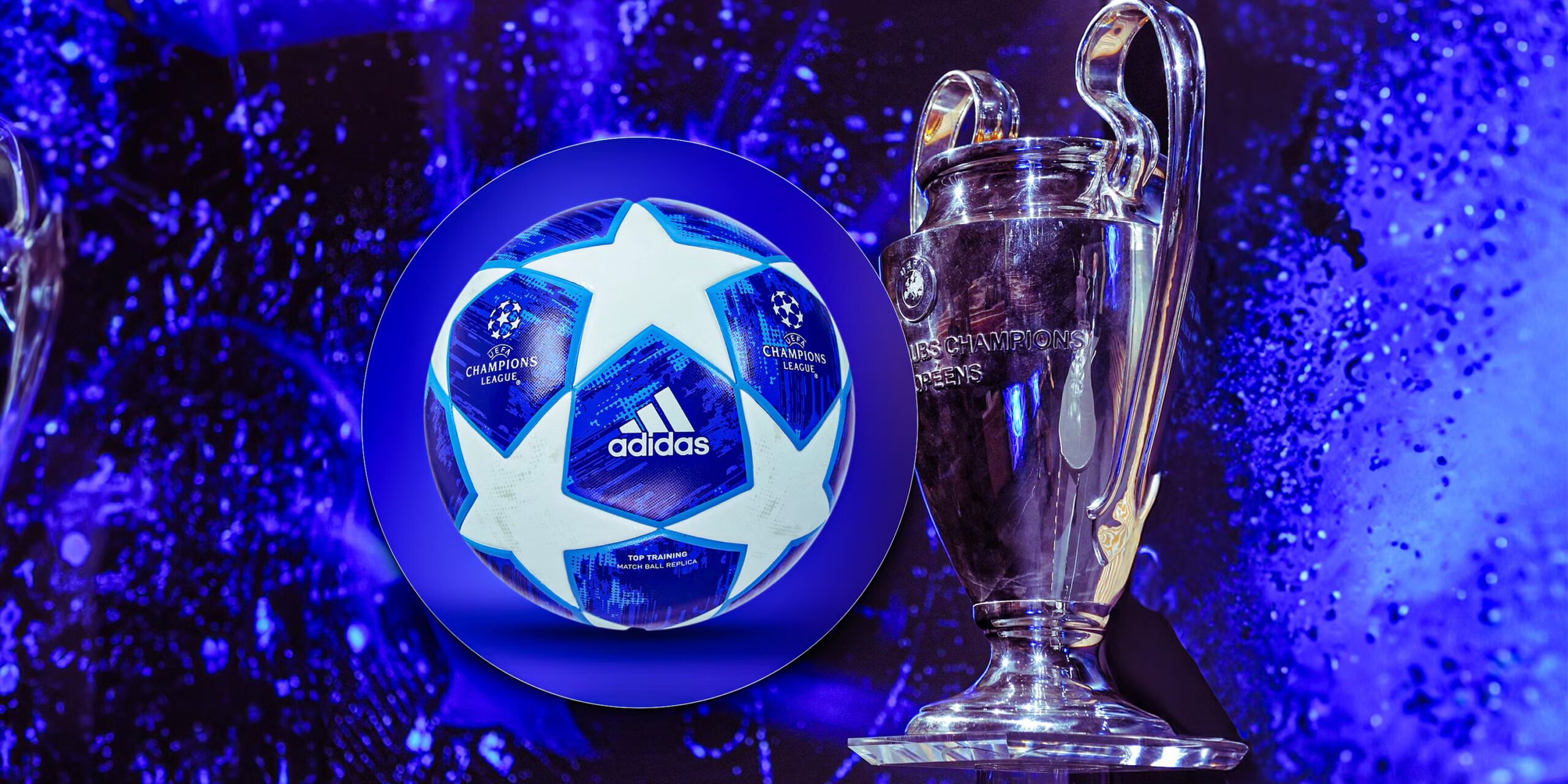
The Importance of the Champions League Format
The UEFA Champions League is one of the most prestigious tournaments in football, drawing the top clubs from across Europe.
Understanding its format is crucial for fans, players, and analysts alike, as it dictates how teams progress and compete at the highest level. The current format has been a topic of discussion following its introduction in recent years, especially regarding its competitive structure.
Current Format Details
The Champions League format typically consists of several stages: a qualification round, a group stage, and knockout rounds leading to the final. This system aims to balance fairness with excitement, allowing various teams from different leagues to participate.
This season, the competition began with a series of qualifying rounds in June 2023. A total of 32 teams were then drawn into eight groups of four for the group stage, which commenced in September 2023. Each team plays the others in its group twice, once at home and once away.
The top two teams from each group, based on points gathered, advance to the knockout stage, which is a single-elimination format. This stage includes the Round of 16, quarter-finals, semi-finals, and the final, scheduled for June 2024 at Wembley Stadium, London.
Recent Changes and Adaptations
UEFA announced new changes to the Champions League format that will be implemented in the near future, with an emphasis on enhancing competitiveness and viewer engagement. The eliminatory rounds are set to remain, but the group stages might witness a shift towards a league-style format.
In this proposed new model, the number of participating teams will increase from 32 to 36, and every club will play a minimum of 10 matches against different opponents. This move aims to create a more engaging calendar and provide fans with more fixtures featuring top clubs.
Conclusion and Future Significance
The Champions League format is crucial in shaping the landscape of European football. As new changes loom ahead, fans can anticipate an evolving competition that may influence how clubs strategize their seasons. The long-term implications could lead to both increased revenue streams for clubs and more opportunities for lesser-known teams to showcase their talents on a grand stage.
Overall, understanding the Champions League format is essential for enjoying the tournament to the fullest and keeping track of how teams vie for Europe’s ultimate football accolade.