









Introduction
Aspirin, a common medication known for its pain-relieving properties, has played a significant role in modern medicine since its discovery over a century ago. It is not only used for alleviating pain and reducing fever, but also plays an important part in preventing heart attacks and strokes. Recent studies continue to underscore its relevance and multifaceted applications, highlighting the importance of aspirin in contemporary healthcare.
Uses and Benefits of Aspirin
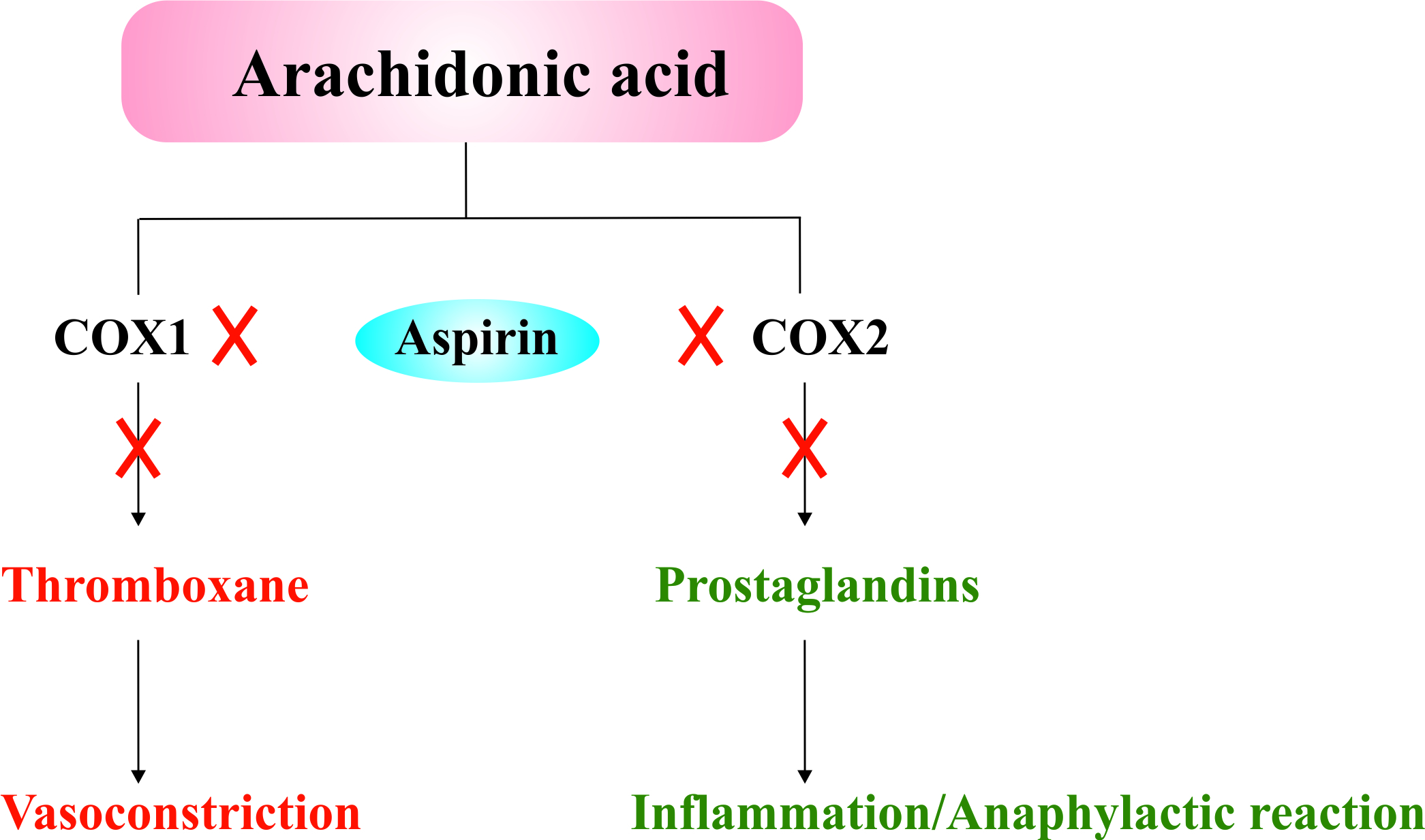
Aspirin, or acetylsalicylic acid, is most commonly used to relieve mild to moderate pain and reduce inflammation. It is often prescribed as an antipyretic, helping to lower fever during illnesses. Its blood-thinning properties have made aspirin a staple in cardiovascular medicine. Research shows that daily low doses of aspirin can significantly reduce the risk of developing heart disease and improve outcomes for patients who have already experienced a heart attack.
In the wake of the COVID-19 pandemic, studies have emerged suggesting that aspirin may also play a role in mitigating severe outcomes associated with viral infections, including reducing the risk of clot formation. This has prompted further investigation into its potential as a therapeutic agent in various inflammatory and cardiovascular conditions.
Recent Developments
Recent data published in health journals have shed light on the dual nature of aspirin. On one hand, it has established itself as a first-line intervention for patients at risk of heart disease. On the other hand, medical professionals caution against the blanket use of aspirin for primary prevention in individuals without prior heart incidents, especially as the associated risks of bleeding complications may outweigh the benefits.
Furthermore, ongoing clinical trials are assessing the broader implications of aspirin use in different demographics and its potential implications in cancer prevention and treatment. The previous notion of ‘one-aspirin-fits-all’ is now being challenged as personalized medicine gains traction.
Conclusion
The significance of aspirin in healthcare continues to evolve with new research and findings. While its historical role as a pain reliever remains unquestioned, its capacity to prevent severe cardiovascular events solidifies its value in modern treatment protocols. As ongoing studies emerge, the medical community must adapt its understanding of aspirin, ensuring that its use is optimised for patient benefit. For readers, this might signal a future where aspirin’s applications are redefined, highlighting the need for continual education on its use and the potential changes in its application across diverse health contexts.