









Introduction
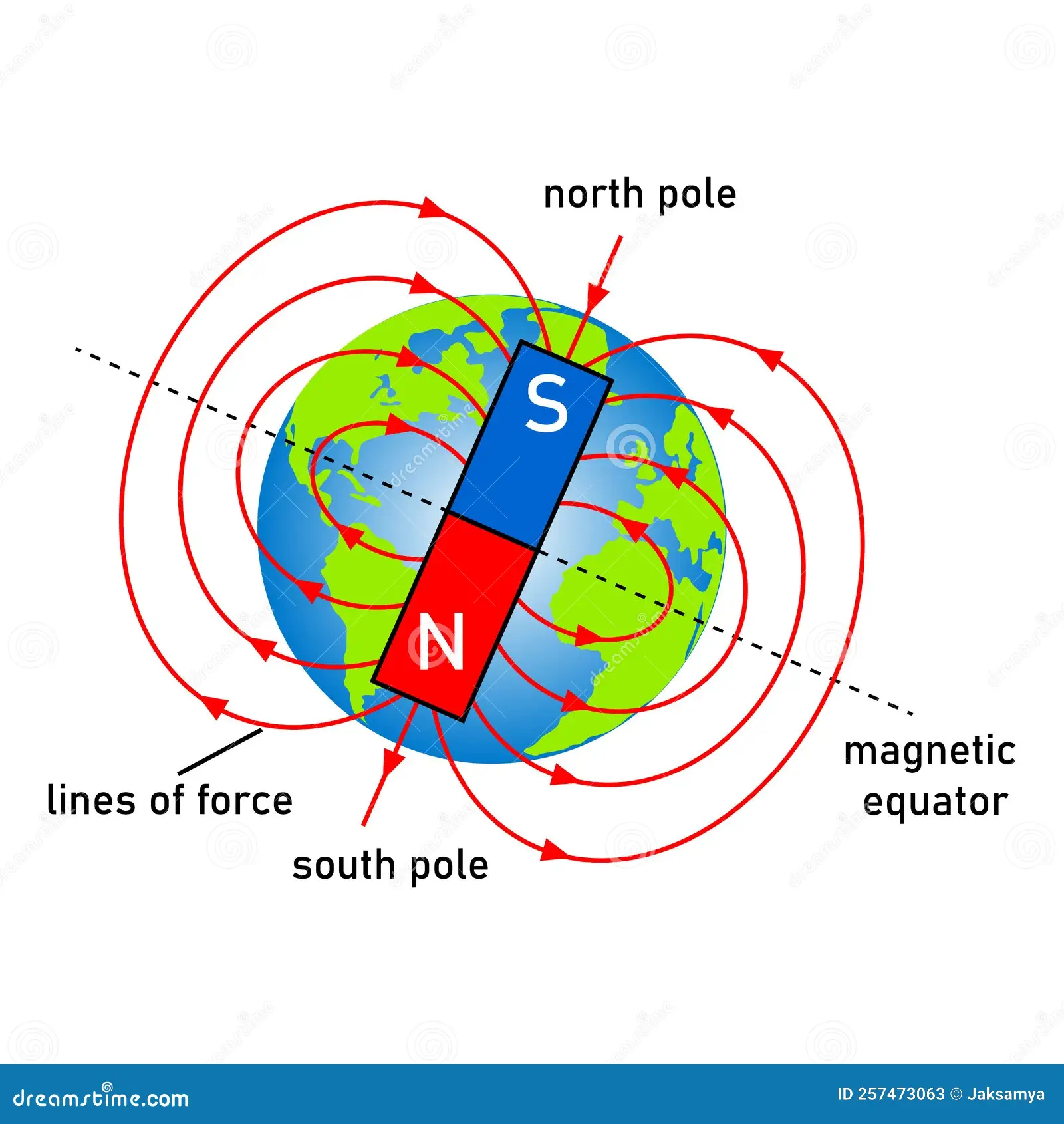
The magnetic north pole is crucial for navigation and has significant implications for various fields such as geology, climate science, and even wildlife migration. Unlike the geographic north pole, which remains static, the magnetic north pole is constantly shifting, a phenomenon that has garnered increasing attention in recent years. Understanding this movement is essential for those who rely on compass navigation and for scientists studying Earth’s magnetic field.
Recent Changes and Measurements
Recent studies have shown that the magnetic north pole has been moving at an unprecedented rate. As of 2023, it has been observed to shift away from the Canadian Arctic toward Russia at about 55 kilometres per year. This rapid movement requires regular updates to navigational charts and systems, particularly in aviation and maritime fields where precise navigation is paramount.
The International Association of Geomagnetism and Aeronomy (IAGA) conducted a study that updated the World Magnetic Model in 2020 to accommodate this shift. The model is essential for ensuring the accuracy of GPS and other navigational systems that depend on magnetic north. The implications of this shift mean that travellers and navigators must be more aware of their instruments and the potential for error in navigation.
The Effects on Science and Nature
Scientists are keenly observing the implications of the magnetic north pole’s movement on areas such as climate change and tectonics. The Earth’s magnetic field plays a vital role in protecting the atmosphere from solar winds and radiation. Changes in the magnetic field can therefore affect climate patterns and even influence the migration routes of various animal species that rely on the magnetic field for navigation.
Furthermore, there are concerns regarding potential geological events related to flux in the magnetic field. While historically the magnetic poles have flipped, leading to significant changes in the Earth’s surface and atmosphere, such events are very rare on human timescales.
Conclusion
In summary, the magnetic north pole’s shifting position is a topic of essential relevance to various sectors, including navigation, science, and ecology. Keeping abreast of these changes is crucial for future technological and environmental developments. As the magnetic north continues to move rapidly, ongoing research will help us understand its implications better and adapt our navigational systems accordingly. As we look to the future, the magnetic north pole remains a focal point for scientists and navigators alike, highlighting the ever-changing nature of our planet.