









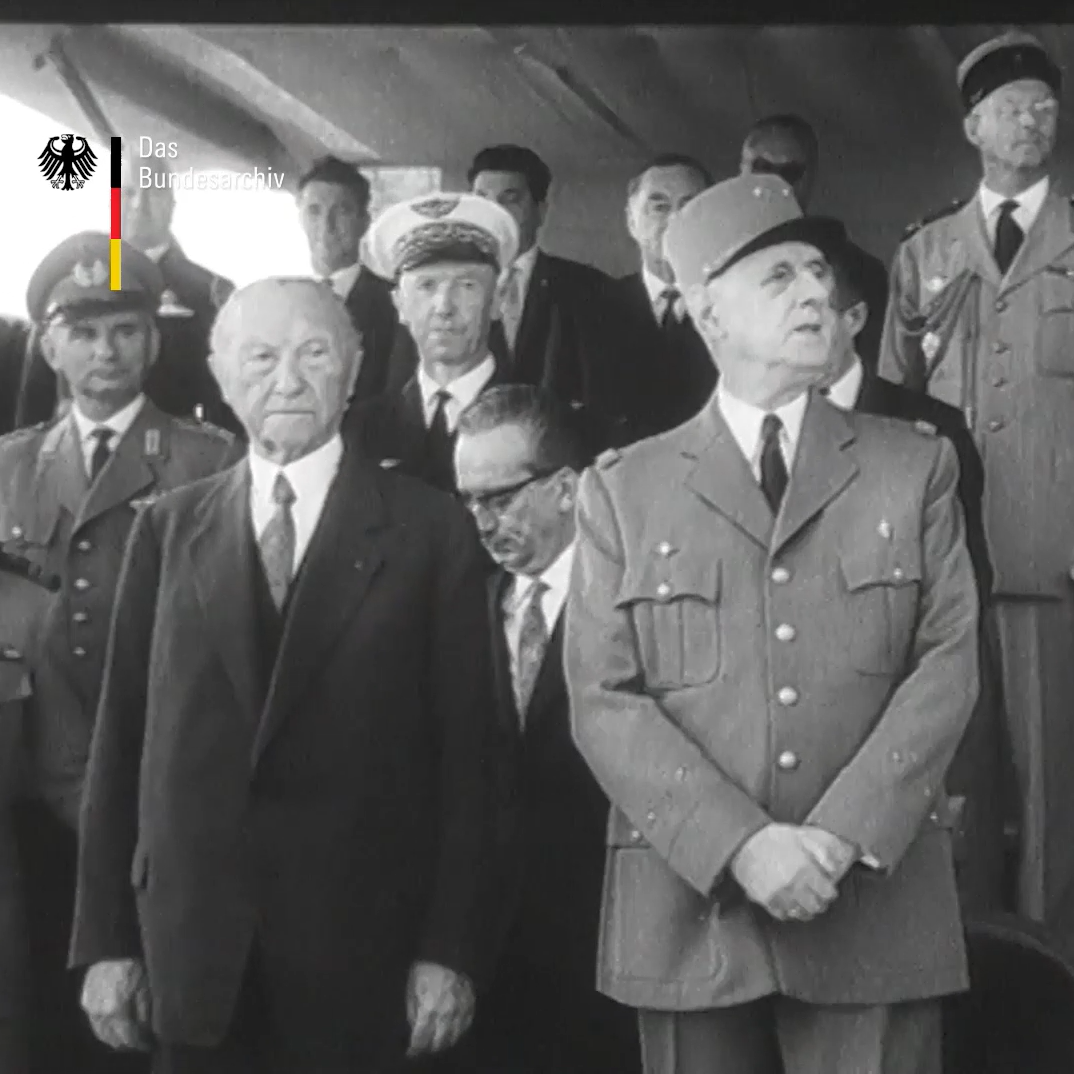
Introduction to Konrad Adenauer
Konrad Adenauer, a pivotal figure in post-World War II German history, served as the first Chancellor of the Federal Republic of Germany from 1949 to 1963. His leadership during a transformative period is critical for understanding Germany’s evolution into a stable democracy and its integration into Europe. Adenauer’s significance lies not only in his policies but also in his vision for a reconciled and prosperous nation.
Adenauer’s Early Years and Political Career
Born on January 5, 1876, in Cologne, Adenauer was a member of the Centre Party. His political career began in the Weimar Republic, but he gained prominence during the Nazi regime as the Mayor of Cologne. After being ousted by the Nazis, he spent years in political obscurity, only to re-emerge post-war to help shape Germany’s future. As a founding member of the Christian Democratic Union (CDU), he articulated a vision for a united and free Germany that attracted widespread support.
Chancellorship and Key Policies
Adenauer’s tenure as Chancellor is marked by efforts to reunify Germany and a commitment to economic recovery. His administration was instrumental in implementing the Marshall Plan, which aided in rebuilding the German economy. The ‘Wirtschaftswunder’ or economic miracle saw Germany transition from a war-torn country to a leading European power. Adenauer also positioned Germany firmly within the Western bloc, joining NATO in 1955 and becoming a founding member of the European Economic Community (EEC), which laid the groundwork for the European Union.
Foreign Relations and Reconciliation Efforts
Adenauer’s foreign policy was a delicate balancing act, emphasizing reconciliation with France and establishing ties with the United States. His efforts paved the way for the historic reconciliation treaty with France in 1963, which helped transform former enemies into close allies. Moreover, his pragmatic approach to dealing with the Soviet Union and the Eastern bloc during the Cold War era was defining for West Germany’s position in a divided Europe.
Conclusion: The Enduring Impact of Adenauer
Konrad Adenauer passed away on April 19, 1967, but his legacy continues to influence German politics and identity. His vision for a democratic, prosperous, and united Germany set the tone for subsequent leaders and policies. Today, as Germany faces new challenges within Europe and the global arena, Adenauer’s approaches to democracy, economic development, and international cooperation remain relevant, underscoring the importance of his contributions to modern Germany.