







Introduction
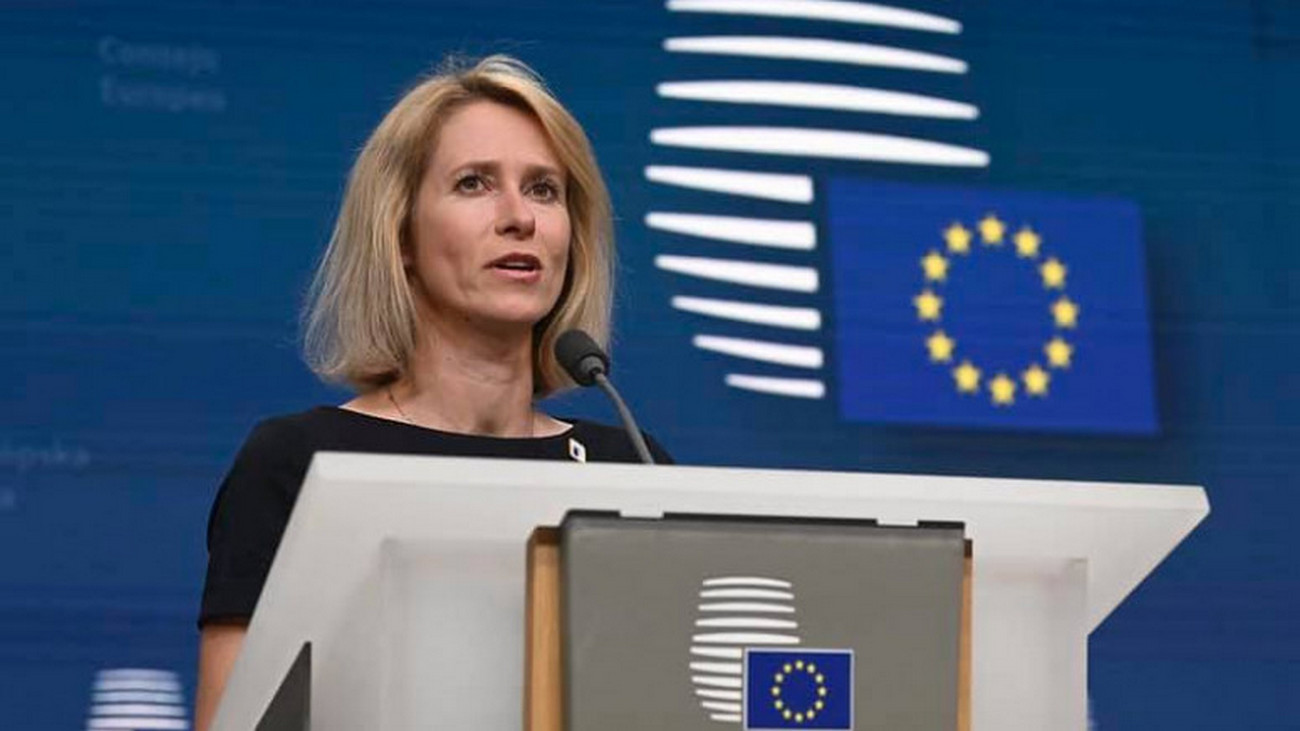
Kaja Kallas has emerged as a pivotal figure in European politics since assuming office as the Prime Minister of Estonia in January 2021. Her leadership comes at a crucial time for Europe as it navigates a myriad of challenges, including the ongoing impacts of the COVID-19 pandemic, rising energy prices, and geopolitical tensions with Russia. Understanding Kallas’s political journey and policies is vital for grasping the dynamics of contemporary European governance.
Kaja Kallas: Background and Political Career
Kaja Kallas was born on June 18, 1977, in Tartu, Estonia. She studied law at the University of Tartu and furthered her education with a master’s degree in European law in the Netherlands. Kallas began her political career in 2011 when she was elected as a member of the Riigikogu, Estonia’s parliament. In 2014, she was appointed as the Minister of Economic Affairs and Communications. Her tenure was marked by a focus on digital innovation and strengthening Estonia’s tech-driven economy.
Prime Ministership and Policies
As the first female Prime Minister of Estonia, Kaja Kallas leads with a progressive agenda emphasising digitalisation, sustainability, and social equality. Her government has faced the challenge of managing pandemic recovery while ensuring robust economic growth. Kallas has also been vocal about the importance of European solidarity in the face of external threats, particularly regarding security concerns stemming from Russia.
In September 2022, under Kallas’s leadership, Estonia adopted various measures to mitigate the impacts of the energy crisis exacerbated by the Ukraine conflict. The government implemented price caps on electricity and gas, introduced subsidies for vulnerable households, and accelerated investments in renewable energy sources. Kallas’s proactive measures have been well-received, demonstrating her commitment to protecting citizens from rising costs.
Recent Developments and Challenges
In recent months, Kaja Kallas has been under scrutiny regarding her handling of the refugee crisis resulting from the conflict in Ukraine. Estonia has welcomed thousands of Ukrainian refugees, and Kallas has advocated for a united European response to the humanitarian needs arising from the war. However, her policies have not been without criticism; concerns about resource allocation and public services have surfaced as the influx of refugees strains local infrastructures.
Conclusion
Kaja Kallas’s leadership represents a significant shift in Estonian politics, highlighting the role of women in leadership and progressive governance. As she continues to navigate a complex political landscape, her ability to address domestic and international challenges will prove essential for both her government and the future of Estonia. With elections approaching, Kallas’s strategies and their outcomes will be crucial, potentially reshaping her legacy and the nation’s political trajectory.