









Introduction
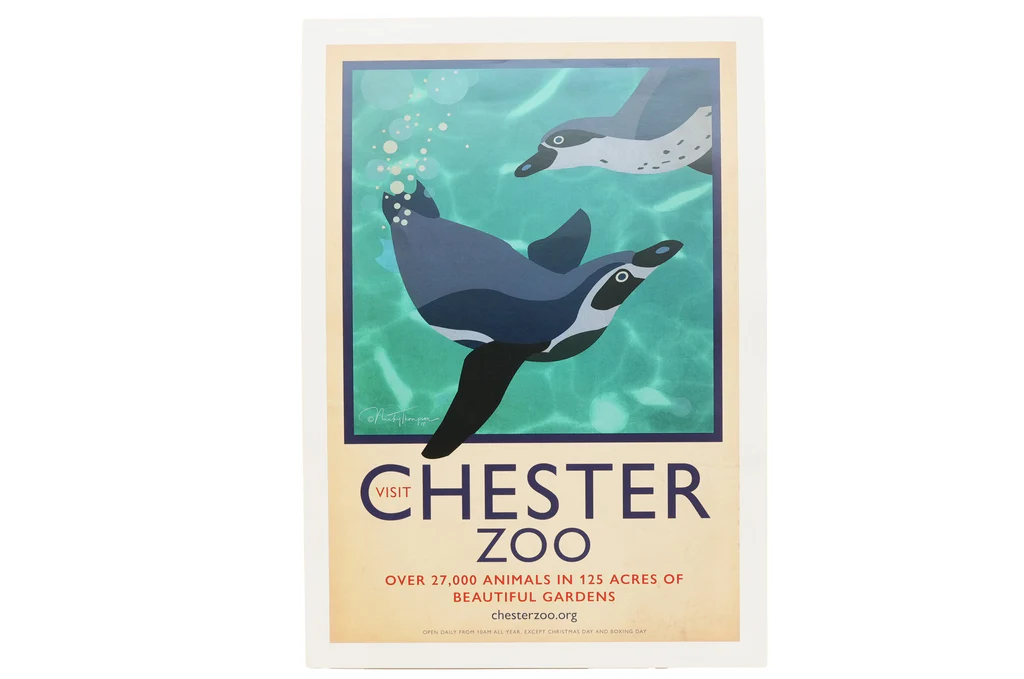
Chester Zoo, established in 1931, is one of the UK’s largest and most well-known zoos, with a significant role in wildlife conservation, education, and research. It spans 125 acres and hosts over 35,000 animals from around 500 different species. Importantly, Chester Zoo contributes to global conservation efforts, making it a crucial institution in the fight against biodiversity loss.
Current Initiatives
In 2023, Chester Zoo has been actively involved in numerous conservation programmes. The zoo’s conservation team has been at the forefront of efforts to protect critically endangered species, including the Amur leopard and the Sumatran orangutan. Recently, the zoo announced a partnership with international wildlife organisations to launch a new breeding programme aimed at increasing the population of these endangered species.
Additionally, Chester Zoo has implemented various educational initiatives focusing on conservation awareness. Their ‘Zoo School’ programmes allow schools to engage in hands-on learning experiences with animals and their habitats. These educational efforts are complemented by state-of-the-art exhibits that mimic natural environments, enhancing both animal welfare and visitor experiences.
Community Impact
Chester Zoo also plays a vital role in the local community. It promotes tourism and provides employment opportunities, welcoming over 2 million visitors each year. The zoo’s educational outreach and community events foster a greater understanding of wildlife conservation among the public. Initiatives like the ‘Wildlife Connections’ campaign encourage local residents to engage in conservation efforts, showcasing the importance of protecting natural habitats beyond the zoo.
Conclusion
Chester Zoo stands as not only a popular visitor attraction but also a leading force in global conservation and education. With continuous efforts in protecting endangered species and promoting awareness, the zoo’s significance extends far beyond its walls. Looking forward, Chester Zoo aims to expand its conservation programmes and deepen its outreach, encouraging individuals and communities to participate actively in wildlife protection. This ensures that the future of biodiversity remains a priority for both the local and global community.