









Introduction
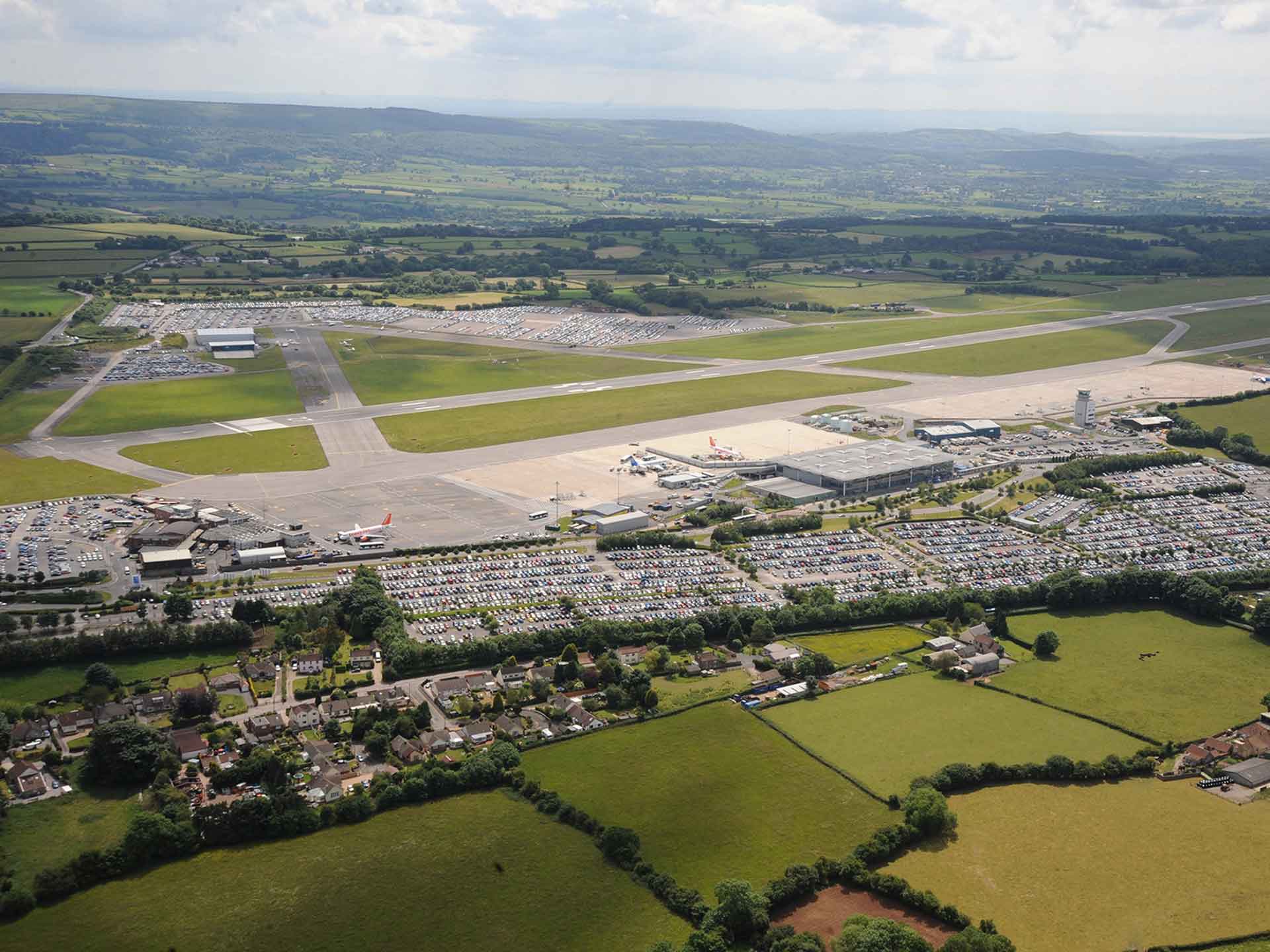
Bristol Airport plays a crucial role in connecting the South West of England to both domestic and international destinations. As the closest airport to the city of Bristol, it serves as a vital transport hub for business and leisure travellers alike. With increased passenger numbers and ongoing expansions, the future of Bristol Airport holds significant implications for the region’s economic development and accessibility.
Recent Developments at Bristol Airport
In recent months, Bristol Airport has seen a surge in passenger traffic as travel restrictions from the COVID-19 pandemic have eased. According to the latest statistics, the airport experienced a 35% increase in passenger numbers in the summer of 2023 compared to the same period in 2019. Key to this recovery has been the introduction of new routes, with airlines such as EasyJet and Ryanair boosting their offerings to popular European destinations including Barcelona, Amsterdam, and Malaga.
Moreover, Bristol Airport is currently undergoing a significant expansion project aimed at increasing its capacity. The £2.8 million development includes improvements to terminal facilities and an upgrade to the existing security area, which is expected to enhance the overall passenger experience. The airport has received planning permission for a new terminal extension that is designed to accommodate up to 12 million passengers annually by 2030, a substantial increase from the current limit of approximately 9 million.
Economic Impact and Future Prospects
The expansion of Bristol Airport is not just about increasing passenger numbers; it also presents substantial economic benefits for the surrounding areas. The airport generates over £1.3 billion in annual economic output and supports thousands of jobs, both directly and indirectly, in sectors ranging from hospitality to transport. Local authorities are optimistic that the ongoing developments will attract more businesses and stimulate growth, particularly in the tourism sector.
As the airport continues to evolve, stakeholders are looking to balance growth with sustainability. Bristol Airport has committed to achieving net-zero carbon emissions by 2030, implementing measures such as improved public transport links and the adoption of more sustainable practices across its operations.
Conclusion
In conclusion, Bristol Airport is more than just an airport; it is a key facilitator of connectivity and economic growth for the South West of England. As it expands and adapts to meet the changing needs of travellers, the significance of the airport is expected to increase, leading to positive outcomes for the local community and economy. With the ongoing focus on sustainability, Bristol Airport aims not only to enhance its facilities but also to pave the way for a greener future in air travel.