









Introduction
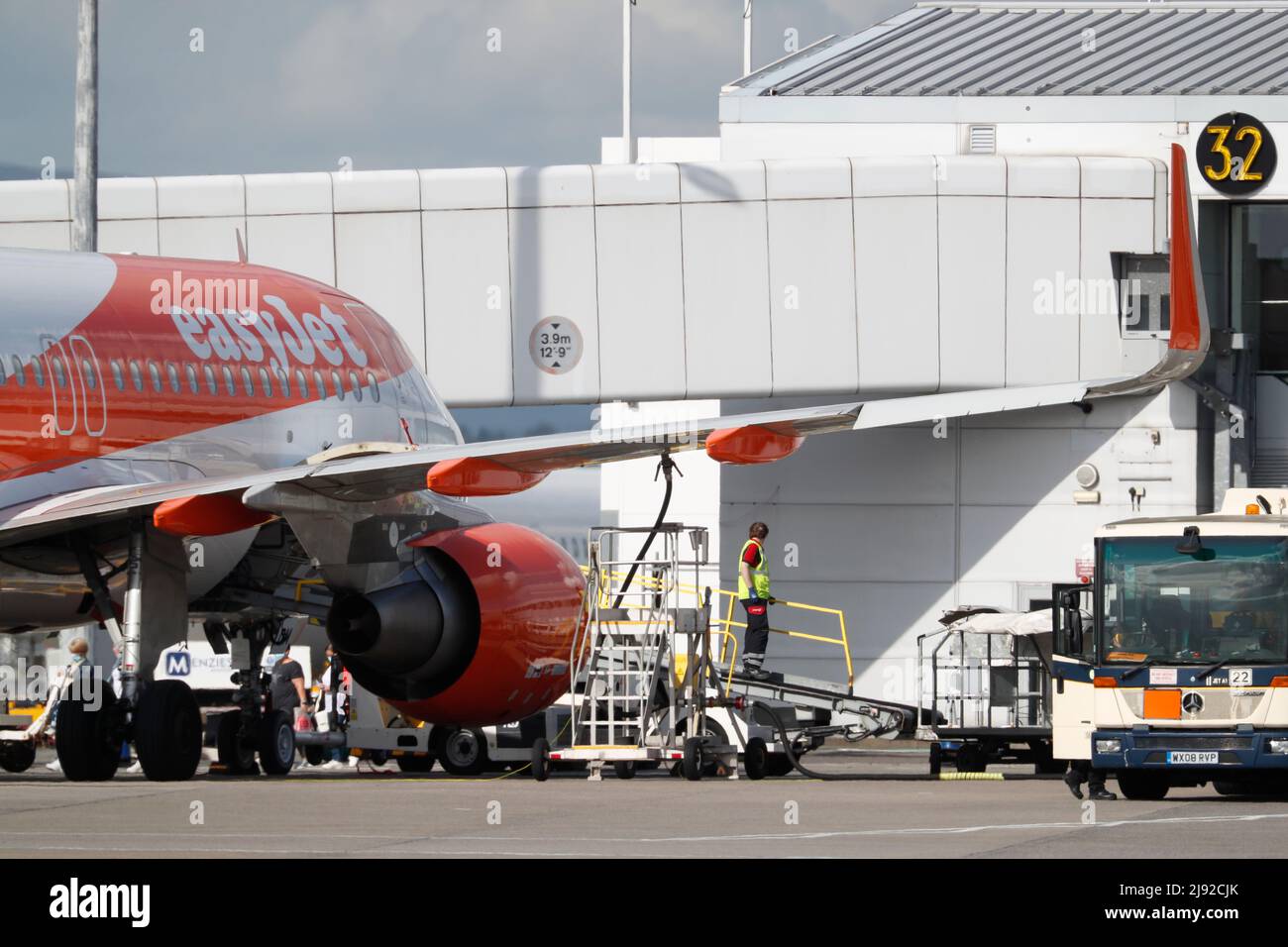
EasyJet, a prominent name in budget air travel, has revolutionised how people fly across Europe since its establishment in 1995. With more than 1,000 routes connecting over 30 countries, the airline plays a crucial role in democratising air travel, making it accessible to millions. Recent developments in operations and sustainability strategies are making EasyJet an integral player in the evolving aviation market.
Recent Developments
In the wake of the global pandemic, EasyJet has adopted a variety of measures to enhance safety while also streamlining operations. This includes the launch of its innovative ‘Safety First’ campaign, which encompasses enhanced hygiene protocols and digital solutions for check-in and boarding. The airline’s recent return to profitability, reporting a pre-tax profit of £126 million for the first half of 2023, illustrates that customers are returning to the skies with confidence.
Furthermore, EasyJet is embracing technology with hopes of improving customer experience. The introduction of a new app feature enables passengers to track their bags in real-time, ensuring a seamless travel experience. The airline is also investing significantly in digital capabilities to further enhance user engagement, providing personalised offers and streamlined boarding processes.
Sustainability Initiatives
As environmental concerns rise, EasyJet is taking bold steps toward sustainability. The airline has committed to reducing its carbon emissions by 35% per passenger kilometre by 2030. Furthermore, EasyJet plans to invest in sustainable aviation fuel (SAF) and has recently aligned with various initiatives aimed at carbon offsetting.
The company also recently announced a partnership with a leading biofuel supplier to use sustainable jet fuel on its flights from London Gatwick, a move that showcases EasyJet’s commitment to becoming a greener airline. These initiatives resonate with environmentally conscious travellers and reinforce the brand’s reputation as a forward-thinking airline.
Conclusion
EasyJet continues to lead in the low-cost airline sector by embracing innovation and sustainability. With its expansion into new digital tools and a robust commitment to reducing environmental impact, EasyJet is not just focusing on profitability but also on creating a more sustainable future for air travel. As the airline industry continues to rebound post-pandemic, EasyJet’s proactive approach to these developments suggests a bright future ahead, shaping the way we think about budget travel.