









Introduction
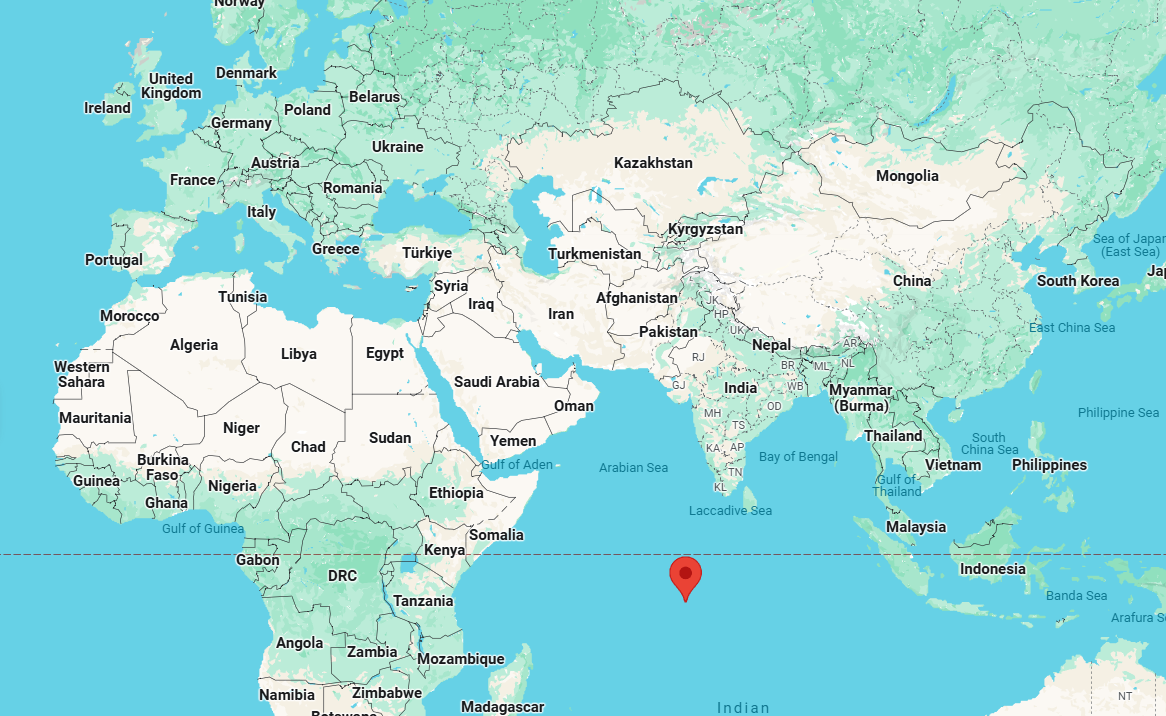
The Chagos Islands, a remote archipelago in the Indian Ocean, have become a focal point of international diplomatic and legal discussions. Administered by the United Kingdom, the territory has been the subject of contention between Britain and Mauritius, raising significant questions about sovereignty, human rights, and geopolitical strategy. The importance of the Chagos Islands extends beyond mere territorial disputes, as their strategic location influences global military dynamics and environmental policies.
Historical Context and Current Events
The history of the Chagos Islands dates back to the 1960s when the UK separated them from Mauritius, which gained independence in 1968. The UK subsequently leased Diego Garcia, the largest island, to the United States for military purposes, establishing it as a critical base for operations in the Middle East and beyond. In recent years, the International Court of Justice (ICJ) issued an advisory opinion stating that the UK’s administration of the islands is unlawful and called for the return of the territory to Mauritius. This ruling heightens the urgency of the territorial dispute, echoing the historical grievances of the Chagossian people, forcibly removed from the islands between 1968 and 1973 to facilitate the establishment of the military base.
Environmental and Economic Implications
The environmental implications of the Chagos Islands are also significant. The marine ecosystem surrounding the islands is considered one of the most pristine and biodiverse regions in the world, and it has been designated as a marine protected area. There are concerns that ongoing military activities threaten this fragile environment. Additionally, the economic potential of the islands, through responsible tourism and sustainable development, has been largely untapped due to the ongoing territorial dispute and military presence.
Conclusion
The future of the Chagos Islands remains uncertain, with continued advocacy from Mauritius and the Chagossian community for the return of the islands. The geopolitical landscape in the Indian Ocean is shifting, and the outcome of the legal battles could influence international relations and environmental policies significantly. As countries reassess their strategic interests in light of climate change and regional conflicts, the resolution of the Chagos Islands dispute may serve as a crucial indicator of how global geopolitics will evolve in the coming years. For readers, understanding the complexities of this issue highlights the necessity of diplomatic engagement and respect for human rights in resolving territorial conflicts.