









Introduction
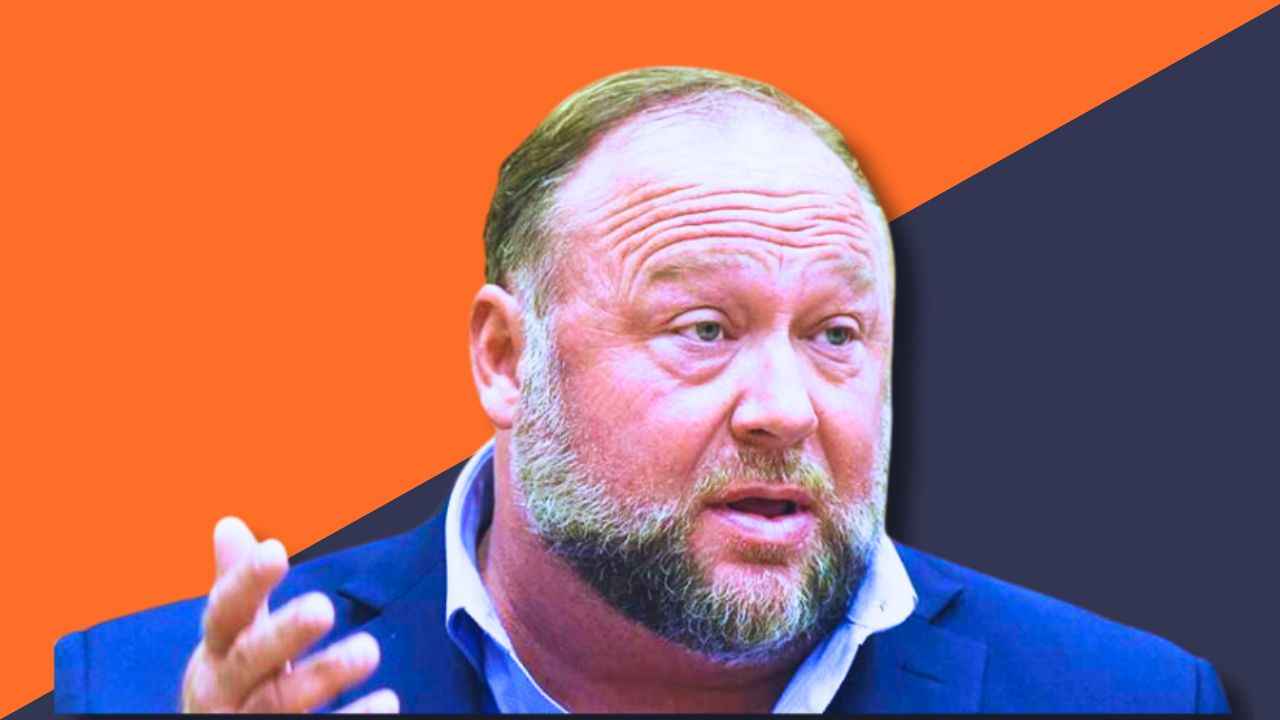
Alex Jones, a notable and polarising figure in media, continues to stir debate and controversy in the political and social landscape. Known for his conspiracy theories and provocative statements, Jones has amassed a significant following while also facing severe backlash. His influence raises important questions about misinformation, media ethics, and free speech in contemporary society.
Recent Developments
In 2022, Jones was ordered to pay nearly $1.5 billion in damages to the families of victims of the Sandy Hook Elementary School shooting after he falsely claimed that the incident was a hoax. This ruling highlighted the consequences of spreading unfounded conspiracy theories, particularly regarding sensitive subjects. In light of these legal setbacks, Jones has continued to maintain a following through platforms like his website, Infowars, and alternative social media sites, where he remains active despite being banned from mainstream platforms.
Moreover, recent months have seen Jones engaging in various media appearances and interviews, where he discusses his views on a multitude of topics ranging from political events to health. His persistent presence in the media landscape demonstrates a shift towards embracing fringe theories as mainstream discourse, particularly in certain online communities.
Public Perception and Influence
Public opinion on Jones is sharply divided. Supporters praise him for his critique of government institutions and media narratives, viewing him as a champion of free speech. Critics, on the other hand, accuse him of spreading harmful misinformation and contributing to a culture of distrust. The rise of alternative media platforms where Jones’ content is still shared illustrates how polarised the media environment has become, often leading viewers down rabbit holes of disinformation.
Conclusion
The ongoing saga of Alex Jones serves as a case study on the power of media influence and its potential repercussions. As society grapples with misinformation and conspiracy theories, the evolution of figures like Jones becomes increasingly significant. Looking ahead, the implications of his influence on public discourse and political dialogue underline the necessity for critical media literacy among consumers. As technology evolves, so too does the challenge of navigating truth in an age where conspiracy can quickly gain traction.