









Introduction
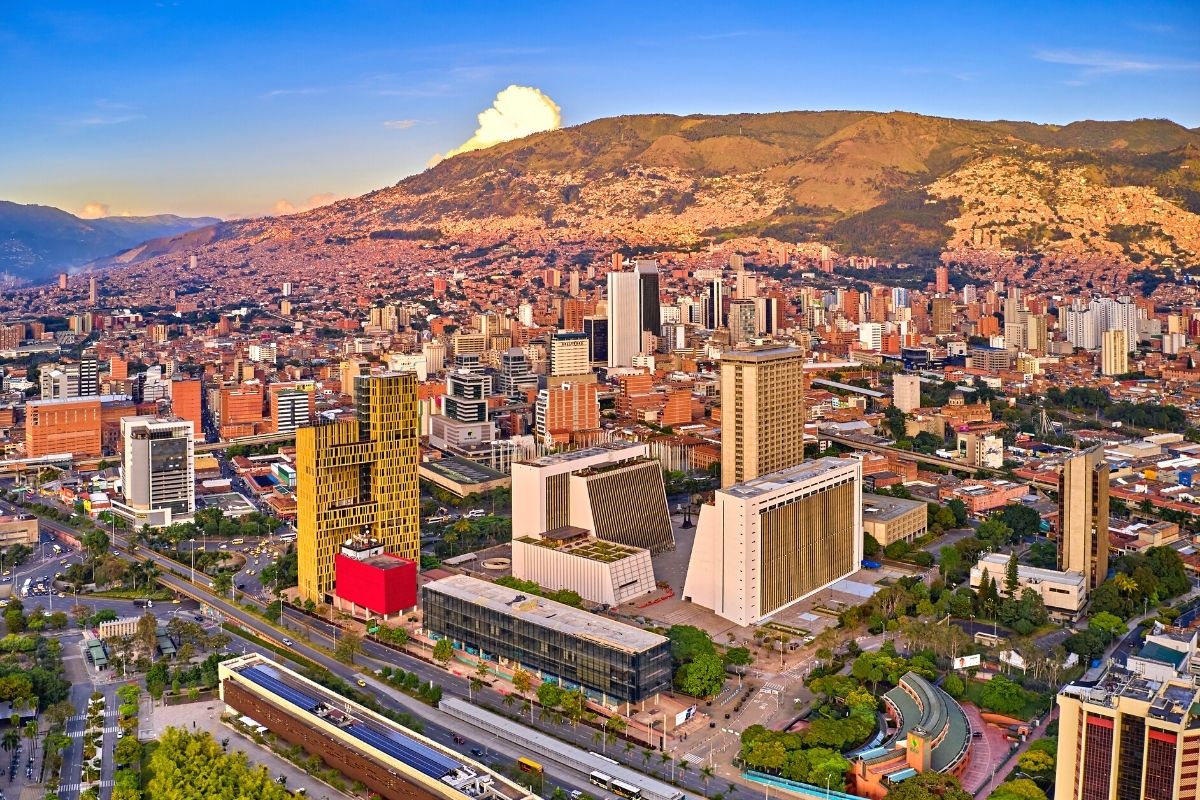
Medellin, once notorious for its association with drug cartels, has transformed into a beacon of innovation and culture in Colombia. Known as the “City of Eternal Spring” for its pleasant climate, Medellin holds great significance as both a local and international tourist destination. Understanding the city’s journey from an area of conflict to one of resilience illustrates the power of urban renewal and community involvement.
The Transformation of Medellin
In the late 20th century, Medellin was plagued by violence and social unrest, largely due to the influence of infamous drug lord Pablo Escobar. However, over the past two decades, the city has undergone a remarkable transformation. Initiatives focusing on education, infrastructure, and public mobility have revitalised the urban environment.
The introduction of the Medellin Metrocable—a cable car system integrated with the metro—has allowed residents from the city’s hillside communities to access the urban centre easily. This transportation innovation has not only facilitated mobility but also fostered social inclusion, connecting vulnerable populations with economic opportunities and services.
Cultural Significance
The cultural landscape of Medellin is equally impressive. Renowned for its thriving arts scene, the city hosts several festivals, such as the Medellin Flower Festival and the International Festival of Poetry. Furthermore, the Museo de Antioquia features works from the famous Colombian artist Fernando Botero, which celebrates the city’s artistic heritage.
Recent statistics show a surge in tourism, with the Colombian Ministry of Commerce reporting a 23% increase in international visitors in recent years. Tourists flock to Medellin for its vibrant nightlife, culinary delights, and friendly locals. The city’s commitment to maintaining green spaces, such as the lush Arvi Park, attracts eco-tourism, while urban art tours showcase the stunning street murals that tell the stories of its residents.
Future Prospects
Medellin’s journey is an inspiring illustration of how cities can reinvent themselves through collective effort and strategic planning. As the city continues to build on its successes, forecasts suggest that it will emerge as a central hub for innovation in Latin America. Educational reforms and various tech initiatives are paving the way for a bright future.
Conclusion
The transformation of Medellin from a troubled city to a thriving urban landscape is a lesson in resilience and community spirit. For readers considering their next travel destination, Medellin offers a unique blend of history, culture, and modernity. As it continues to evolve, Medellin represents not just a location on the map but a symbol of hope and reinvention.