









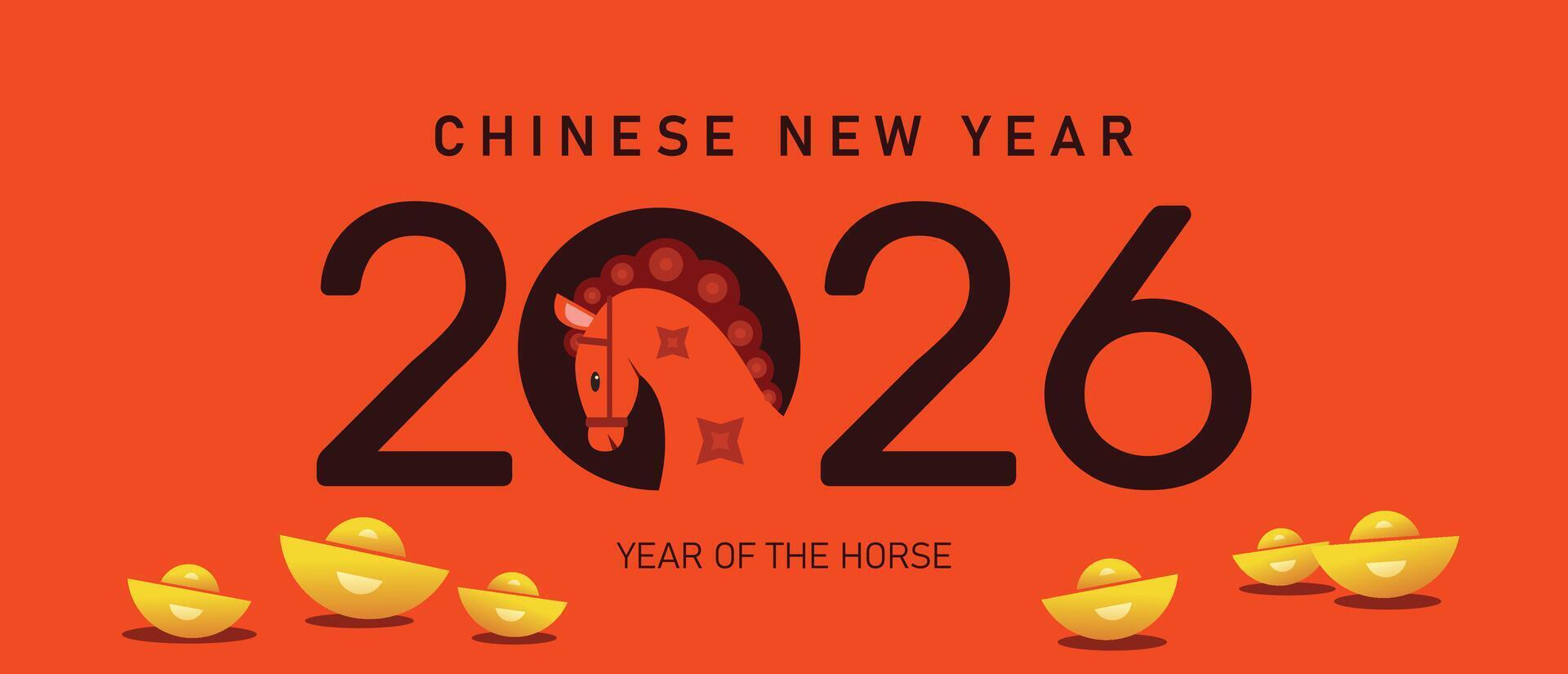
Introduction to Chinese New Year 2026
Chinese New Year, also known as Lunar New Year or Spring Festival, is one of the most important festivals in the Chinese calendar, celebrated by millions around the world. In 2026, Chinese New Year falls on February 17, marking the start of the Year of the Monkey according to the Chinese zodiac. This festival is not only a time for family reunions but also holds immense cultural significance, highlighting values such as respect for ancestors, family unity, and the ushering in of good fortune.
Celebrations of Chinese New Year
The celebrations for Chinese New Year typically last for 15 days, culminating in the Lantern Festival. The festival is marked by various customs and traditions that vary from place to place. In many regions, people engage in elaborate preparations including cleaning their homes to sweep away bad luck, decorating with red lanterns, and offering prayers to ancestors. Traditional foods, such as dumplings, fish, and rice cakes are prepared, as they are believed to bring wealth and prosperity.
On New Year’s Eve, families come together for a reunion dinner, which is considered the most important meal of the year. Fireworks and lion dances are common spectacles that accompany the night, symbolising the driving away of evil spirits and bad luck.
Significance of the Year of the Monkey
The Year of the Monkey is considered to be one of the most auspicious signs in the Chinese zodiac. Those born in the Year of the Monkey are believed to be intelligent, witty, and adaptable. As 2026 approaches, many people are looking to this year with optimism and are eager to see how the characteristics associated with monkeys may influence events throughout the year.
Conclusion
As the world prepares to welcome Chinese New Year in 2026, it serves as a crucial reminder of the rich cultural heritage embedded in these festivities. The celebrations not only promote bonding and renewal among families but also foster a global appreciation for the traditions and values that resonate with millions. Understanding the importance of this holiday contributes to a greater appreciation for cultural diversity, shaping our collective future as interconnected communities. Looking forward, it will be interesting to observe how celebrations will evolve and adapt in the face of modern challenges while staying rooted in age-old traditions.