









Introduction
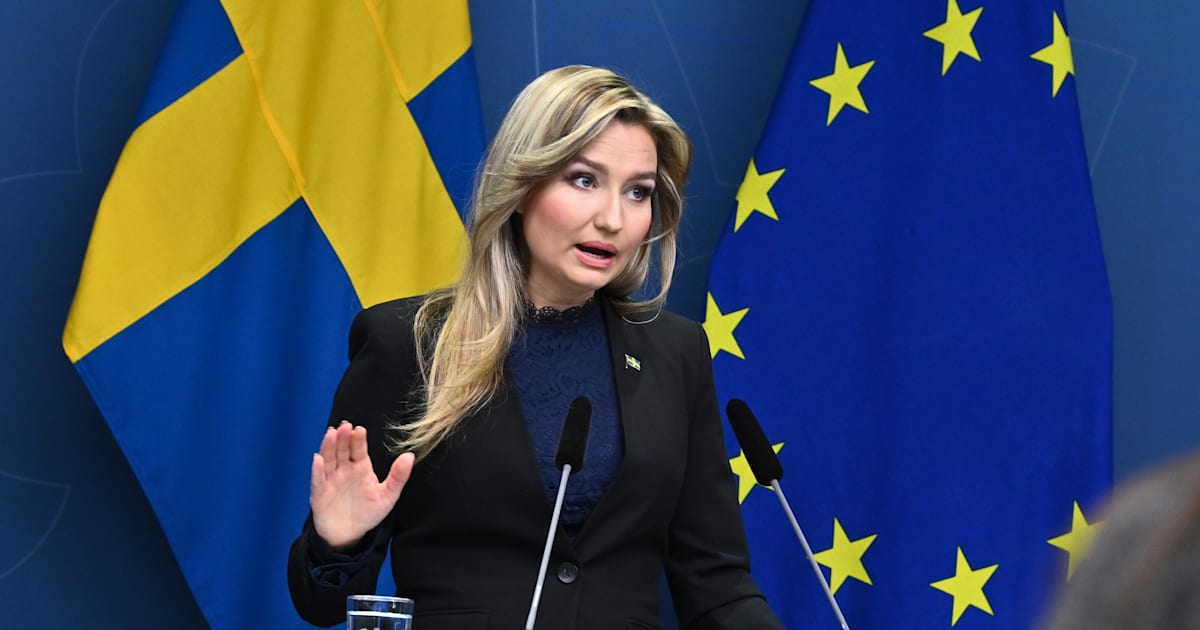
Ebba Busch, the leader of Sweden’s Christian Democrats, has recently garnered attention as a pivotal force in Swedish politics. Her influence on national policies and commitment to addressing contemporary issues have made her an important player within the current government. This article explores her recent activities and the broader implications of her leadership within the changing political landscape of Sweden.
Political Background
Born on February 11, 1987, in Uppsala, Sweden, Busch joined the Christian Democrats at a young age. She rapidly climbed the party ranks and was appointed party leader in 2021. Under her leadership, the Christian Democrats have sought to modernise their platform, focusing on issues such as climate change, immigration, and social welfare. Busch’s approach stands out as pragmatic, resonating with a younger electorate while trying to maintain support from traditional party voters.
Recent Initiatives and Policies
In the last parliamentary session, Busch has been vocal about Sweden’s climate policies. She has advocated for more stringent environmental protections and has pushed for sustainable development goals that align with the European Union’s ambitious climate targets. Furthermore, with rising concerns over immigration and integration, she has introduced proposals aimed at enhancing social cohesion within communities, demonstrating her commitment to improving societal welfare.
In addition to these initiatives, Busch has addressed the ongoing energy crisis exacerbated by geopolitical tensions. She has called for an increase in investment in renewable energy sources to ensure Sweden’s energy independence and sustainability. Her forward-looking policies reflect a blend of conservatism and progressive ideology, aiming to appeal to diverse voter demographics.
Public Response and Future Outlook
Public reception of Busch’s leadership has been mixed. While many praise her for her decisive stance on environmental issues and social welfare, others critique her party’s shift towards moderate conservatism, arguing it distances them from their core values. Nonetheless, her ability to engage with a broad spectrum of voters could prove advantageous for the Christian Democrats in upcoming elections.
Conclusion
As Ebba Busch continues to navigate the complexities of Swedish politics, her leadership will undoubtedly shape the future of the Christian Democrats and influence Sweden’s political discourse. Her ability to marry tradition with innovation places her in a unique position to either redefine her party’s identity or risk its relevance in an evolving political landscape. Observers will be keen to see how she balances these competing demands as Sweden prepares for its next electoral challenges.