









Introduction
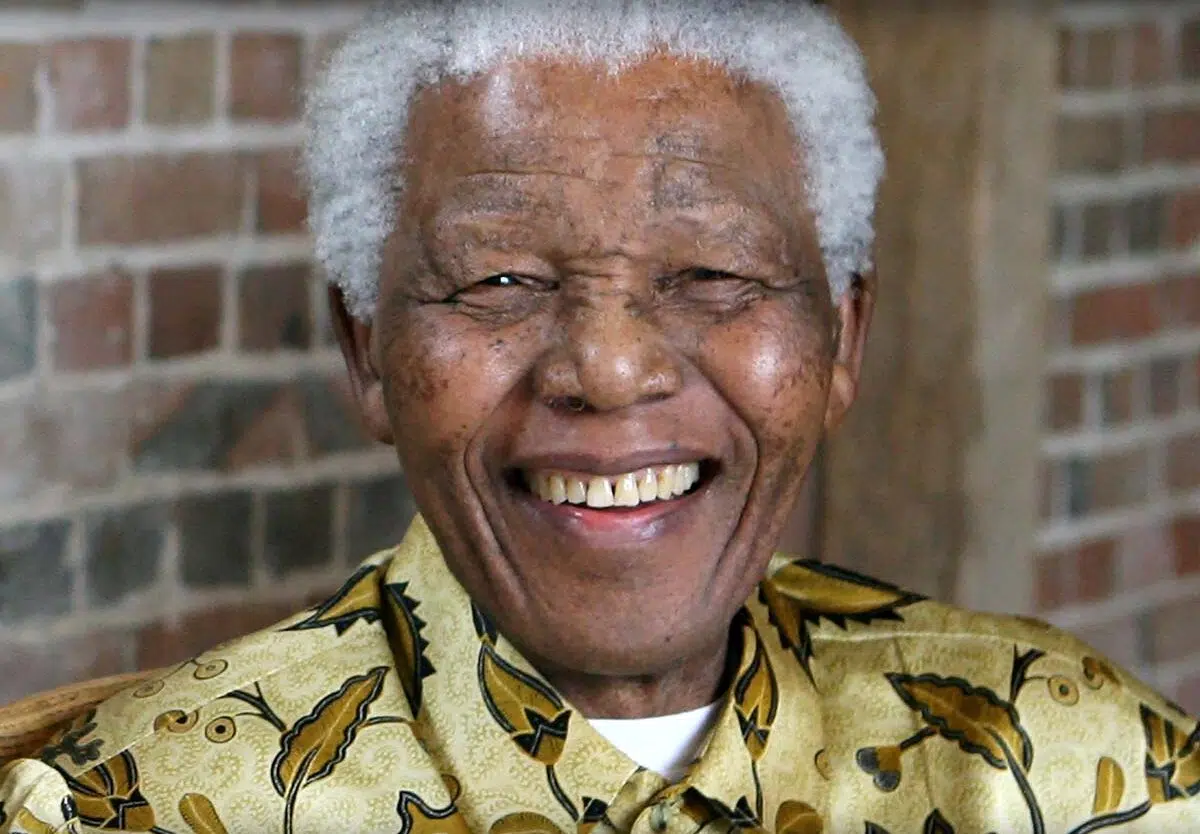
Nelson Mandela, a global symbol of peace and reconciliation, was a transformative figure in the struggle against apartheid in South Africa. His journey from political prisoner to the nation’s first black president is not just an important chapter in South African history, but it also reflects broader themes of justice, resilience, and the quest for equality on a global scale. As we reflect on his legacy, it is crucial to understand how his ideals continue to resonate worldwide, promoting discussions around racial injustice, human rights, and democracy.
Significant Events and Achievements
Born on July 18, 1918, in the Eastern Cape of South Africa, Mandela became involved in political activism while studying in Johannesburg. He joined the African National Congress (ANC) in 1943, where he played a pivotal role in opposing the apartheid regime—an institutionalised system of racial segregation and discrimination. In 1961, after years of nonviolent protests, Mandela co-founded Umkhonto we Sizwe, the armed wing of the ANC, leading to his arrest and subsequent life sentence for treason.
After 27 years incarcerated on Robben Island, Mandela was released in 1990, a moment that not only sparked hopes for a new South Africa but also marked the beginning of a broader conversation on human rights across the globe. Despite being offered a chance to lead violent resistance, Mandela chose the path of negotiation and reconciliation. His efforts culminated in the historic 1994 elections, where he became South Africa’s first black president, overseeing a transition from apartheid to a multiracial democracy.
Continued Relevance
Mandela’s influence extends well beyond the borders of South Africa. His leadership style, characterised by forgiveness and inclusivity, offers lessons that remain vital in today’s socio-political landscape, where racial and social injustices persist. In 2023, the world continues to resemble a landscape where Mandela’s teachings are necessary. Global movements advocating for justice, equality, and human rights echo his principles, highlighting the importance of his legacy.
In this context, initiatives such as the Nelson Mandela Foundation work tirelessly to promote his vision of a free, just, and equitable society. Each year, Nelson Mandela Day, celebrated on July 18, serves as a reminder of his contributions and encourages people to engage in service and activism.
Conclusion
Nelson Mandela’s life was dedicated to fighting for freedom and justice, and his impact on the world is indelible. As we commemorate significant moments in his history, we are reminded of the ongoing struggles against oppression. Readers are encouraged to reflect on Mandela’s teachings and find ways to incorporate them into their lives, fostering a commitment to a more just and peaceful society. By remembering Mandela, we reinforce the idea that change is possible through resilience, dialogue, and an unwavering commitment to human dignity.