









Introduction
The Toxic Avenger, originally released in 1984, has grown from a cult classic into a significant cultural phenomenon. Combining elements of horror and comedy, this film challenged norms by depicting an unlikely hero emerging from the depths of toxic waste. As we navigate contemporary discussions around environmental issues and representation in media, the Toxic Avenger remains relevant, urging audiences to examine societal values through its over-the-top narrative.
Film and Franchise Overview
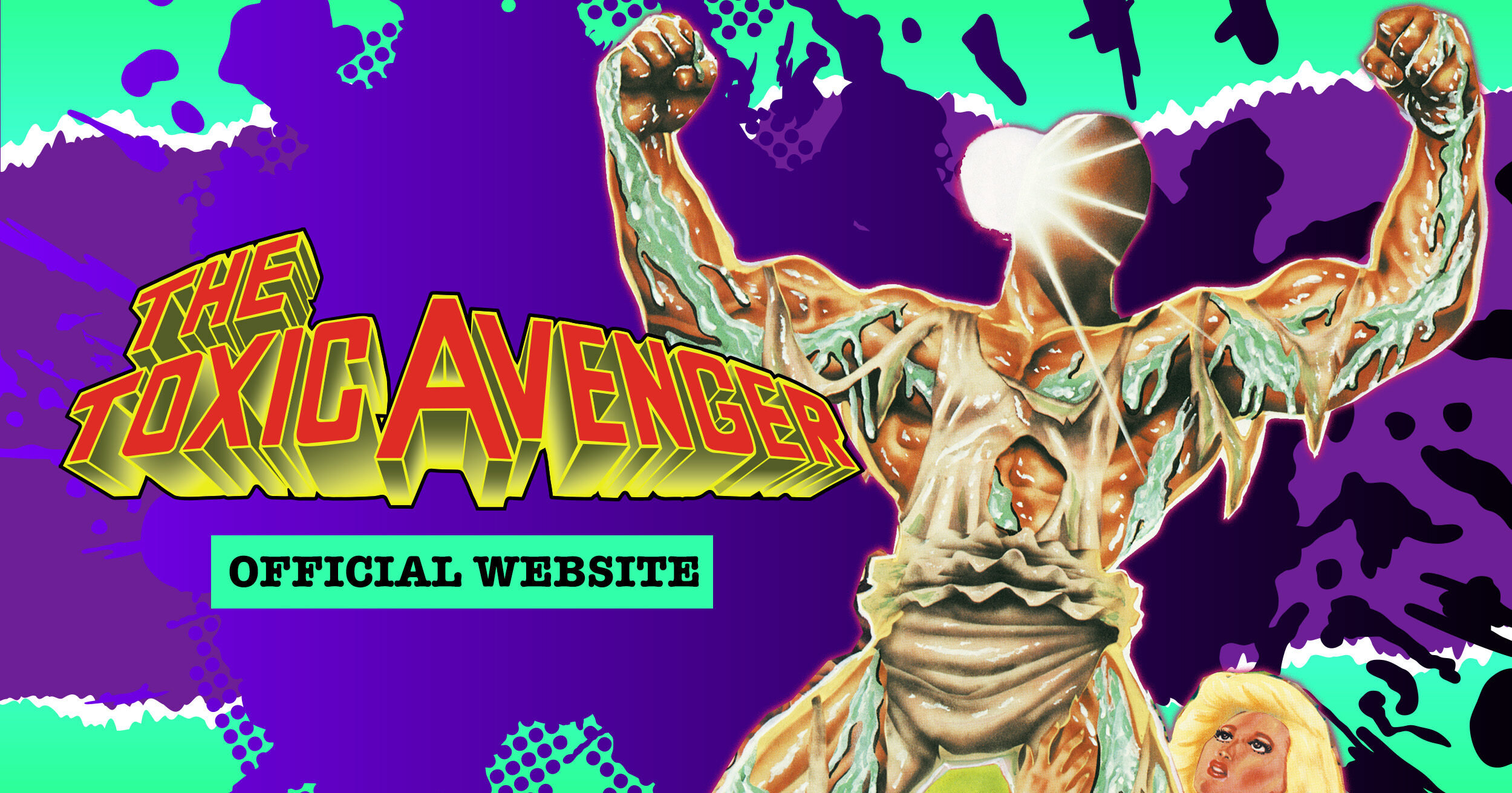
Created by the independent film company Troma Entertainment, the Toxic Avenger tells the story of Melvin Ferd, a meek janitor who, after encountering a vat of toxic waste, transforms into a hideously deformed creature with superhuman abilities. Rather than the typical glamorous hero, Melvin’s journey highlights issues such as bullying, social injustice, and environmental neglect. The film’s success led to multiple sequels, a children’s animated series, and even a musical adaptation, showcasing its broad appeal across different media.
Recent Developments
In 2022, news broke regarding a reboot of the Toxic Avenger, indicating a renewed interest in the character and narrative. Directed by Macon Blair and featuring a star-studded cast including Peter Dinklage, the reboot aims to capture both the original’s essence while offering a contemporary perspective. With the film’s focus on environmental degradation—a critical issue in today’s society—this new iteration positions the Toxic Avenger as a relevant commentary on modern ecological challenges, potentially attracting a new generation of fans.
The Legacy and Impact
The Toxic Avenger has transcended being merely a film, evolving into a cultural commentary on what it means to be a hero in an increasingly toxic world. Its legacy continues as it inspires filmmakers and activists alike to address pressing societal issues through the lens of entertainment. The film’s unapologetic portrayal of unconventional heroes resonates with audiences who advocate for change, highlighting that power can emerge from vulnerability.
Conclusion
As discussions surrounding environmentalism and representation continue to evolve, the Toxic Avenger stands as a testament to the power of storytelling in challenging societal norms. The legacy of the film and its anticipated reboot serve as a reminder that even the most unexpected heroes can emerge from dire situations. For audiences old and new, the Toxic Avenger not only entertains but also encourages reflection on personal and collective responsibility toward our world.