









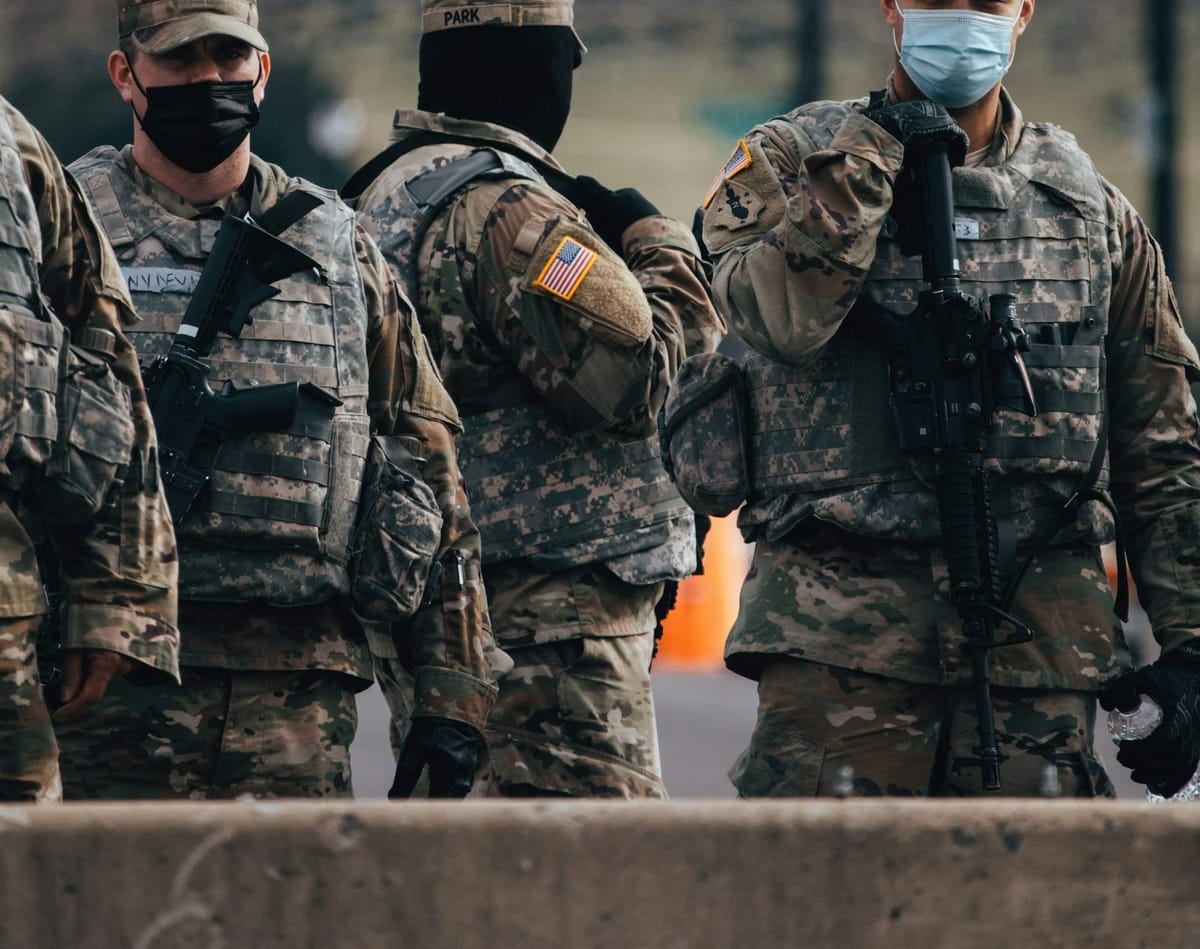
Introduction to the Insurrection Act
The Insurrection Act is a pivotal piece of legislation in the United States, originally enacted in 1807. It grants the President the authority to deploy military forces in response to civil disorder, insurrection, or rebellion. In recent years, the act’s relevance has come under scrutiny, particularly in light of nationwide protests and civil unrest, making it critical for citizens to understand both its historical context and its implications for current governance.
Historical Background
The Insurrection Act was designed to allow military intervention during times of domestic turmoil. Historically, it has been invoked in various instances, such as during the Civil Rights Movement when federal troops were used to enforce school desegregation in Little Rock, Arkansas in 1957. The act provides a legal framework that enables the federal government to restore order when state authorities are unable or unwilling to do so.
Recent Developments
In 2020, amidst widespread protests over racial injustice and police brutality, discussions about the Insurrection Act resurfaced as some political leaders suggested its use in quelling unrest. President Donald Trump indicated a willingness to invoke the act, which sparked significant debate regarding the potential militarization of responses to civil protests. Critics cautioned that invoking the act could undermine democratic principles and escalate tensions between law enforcement and civilians.
Current Relevance and Implications
The Insurrection Act remains a contentious topic in political discourse, particularly as divisions within the United States deepen. The act’s potential use raises questions about civil liberties, the limits of executive power, and the role of military forces in domestic affairs. Advocates for civil rights express concern that its invocation could lead to disproportionate use of force against peaceful demonstrators, thereby stifling free expression.
Conclusion
As political uncertainty continues, understanding the Insurrection Act’s implications is crucial for citizens and lawmakers alike. It serves as a reminder of the balance between maintaining order and protecting democratic freedoms. Going forward, discourse surrounding this law will likely influence legislative reform and public sentiment regarding the role of the military in civilian life. The future application of the Insurrection Act will be significant, as it will reflect the broader values of society regarding authority, order, and individual rights.