









Introduction
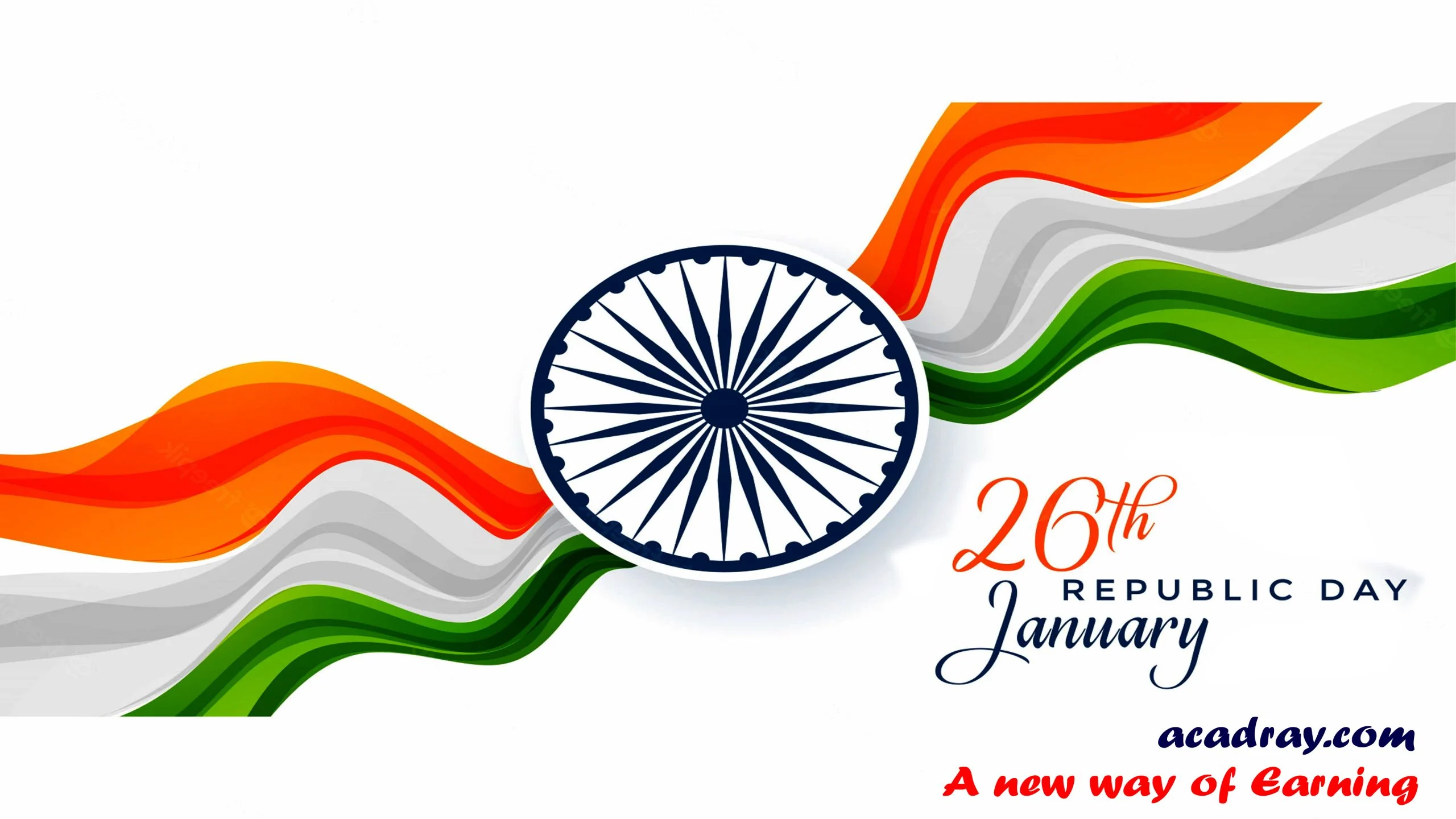
26 January marks a pivotal date in the history of India, celebrated annually as Republic Day. This day signifies the commemoration of the Constitution of India coming into effect in 1950, transforming India into a sovereign, democratic republic. The significance of Republic Day lies not only in its historical context but also in the celebration of India’s rich cultural heritage and the ideals of justice, liberty, equality, and fraternity.
Historical Context
The journey to Republic Day began long before 1950, with the Indian independence movement advocating for freedom from colonial rule. On 26 January 1930, the Indian National Congress proclaimed the Declaration of Indian Independence, urging for complete independence from British rule. It wasn’t until 20 years later, in 1950, that India adopted its Constitution, a document laying out the framework for governance based on democratic principles.
Celebrations and Events
The celebrations on 26 January are marked by grand parades across major cities, particularly in the national capital, New Delhi. The Republic Day parade showcases India’s military prowess and cultural diversity, featuring performances from various states. The day begins with a ceremonial salute, followed by a display of artistic floats representing different states, military bands, and march-pasts. A key highlight is the presence of the Chief Guest, typically a foreign dignitary, symbolising India’s relations with other nations.
Societal Impact and National Unity
Republic Day serves as a reminder of the values enshrined in the Constitution. It fosters a sense of unity and pride among citizens, encouraging reflection on democratic ideals. Various events, such as cultural programs and flag hoisting ceremonies, take place across schools and communities, reinforcing the significance of loyalty to the nation’s ethos. The observance of this day also strengthens awareness around civic responsibilities in a democratic society.
Conclusion
As India celebrates 26 January, it is not just a day marked on a calendar, but rather a reflection of the country’s aspirations towards democracy and justice. The date highlights the importance of upholding the values of the Constitution and encourages citizens to actively participate in maintaining the democratic fabric of the nation. Looking ahead, the significance of Republic Day is likely to grow as a platform for reinforcing democratic ideals and national integrity amidst the ever-evolving socio-political landscape of India.