









Introduction
The TV licence is a legal requirement in the United Kingdom for anyone watching or recording live television broadcasts. It also applies to those using the BBC iPlayer. As discussions surrounding media consumption evolve, particularly in the age of streaming services, understanding the relevance and implications of the TV licence has never been more critical. This article aims to clarify the basics of the TV licence and explore recent developments affecting it.
What is a TV Licence?
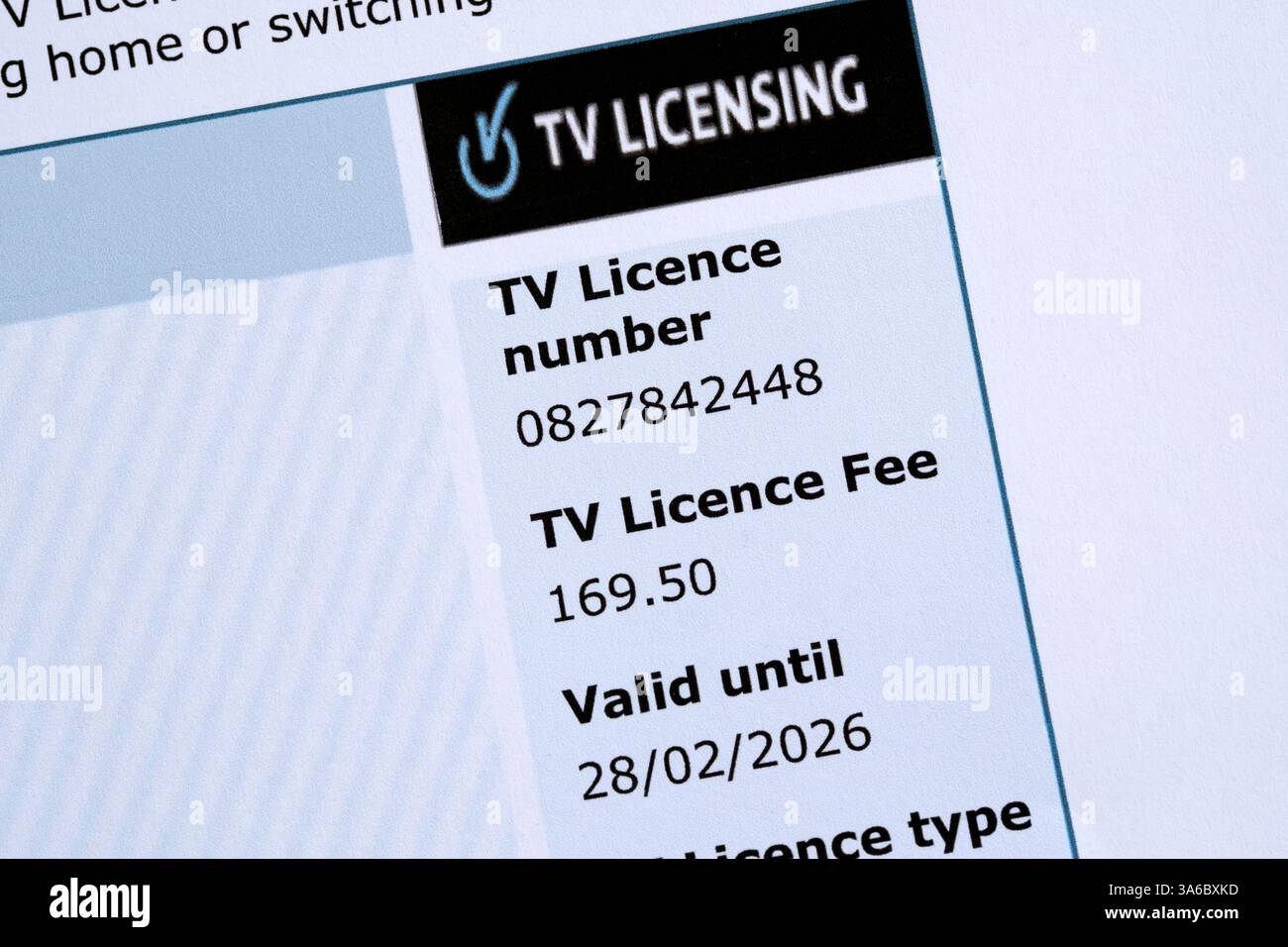
A TV licence is a form of tax that ensures the BBC can continue to operate and provide services to the public. As of 2023, the annual cost of a TV licence in the UK is £159. This fee goes towards funding BBC services, including radio, television, and online content. Though some individuals may question its value due to the rise in alternative streaming services such as Netflix and Amazon Prime Video, the licence remains a significant source of funding for public broadcasting.
Recent Developments
In 2023, there have been ongoing discussions in Parliament regarding the future of the TV licence fee. Some legislators are advocating for a more modernised funding model that reflects changing viewership habits. The government has been consulting on potential reforms, considering options that may either lower the cost of a TV licence or transition it to a subscription model similar to that of commercial broadcasters.
Additionally, the BBC has announced a strategic review of its operations to ensure sustainability in a rapidly changing media landscape. This includes potential reductions in the number of channels and a shift towards more digital content to engage younger audiences who predominantly consume content online.
Implications for Viewers
The ongoing evolution of the TV licence, coupled with societal shifts in media consumption, has significant implications for UK viewers. If changes to the licence are enacted, viewers may find themselves facing a different payment structure or changes in available BBC services. Furthermore, increased scrutiny may also lead to improved content quality and broader accessibility.
Conclusion
As the landscape of media continues to shift, the TV licence remains a vital issue impacting millions of households across the UK. With proposed changes lurking on the horizon, it is essential for viewers to stay informed about the future of broadcasting and the role they play in funding it. The significance of the TV licence not only highlights the reliance on public media but also raises questions about the sustainability of the current model in an ever-evolving entertainment environment.