









Introduction
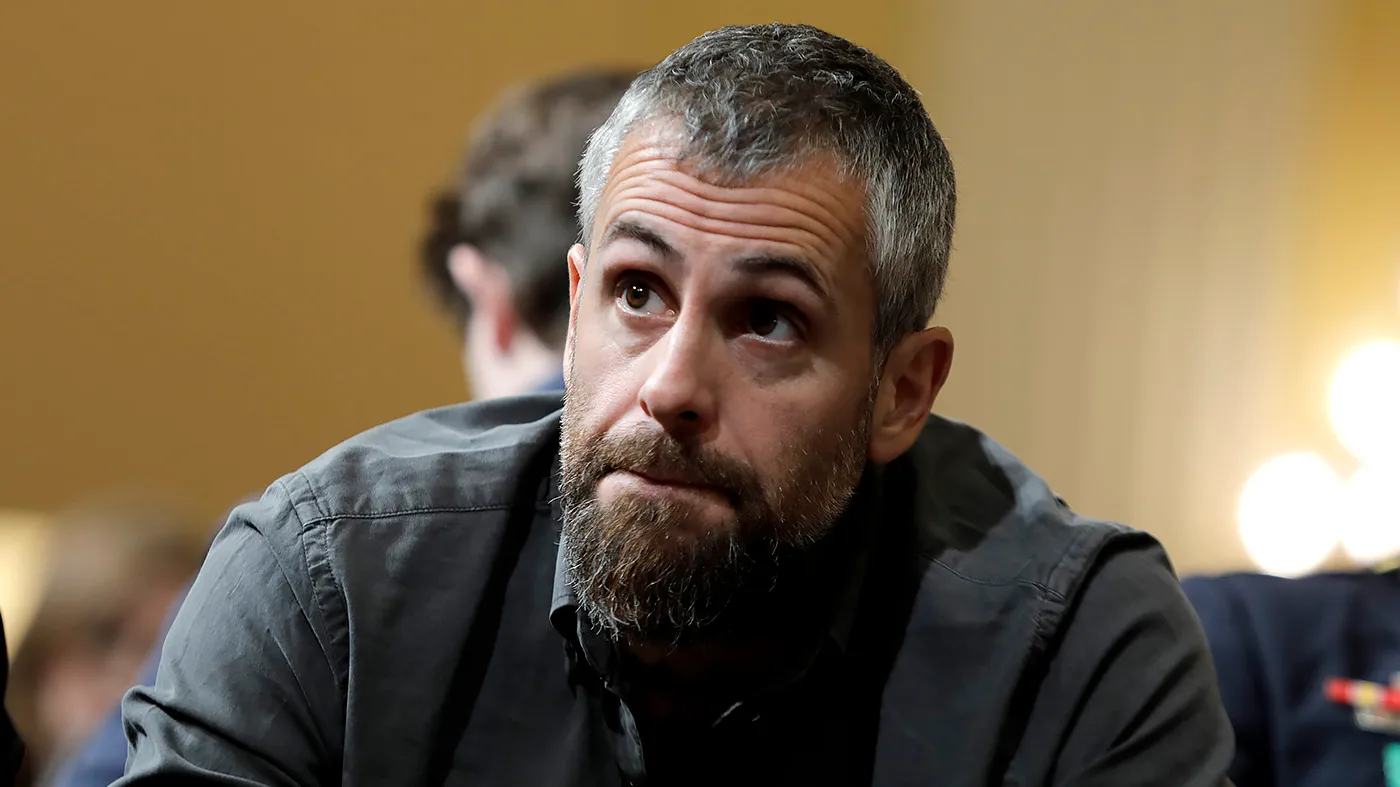
Michael Fanone, a former officer with the U.S. Capitol Police, has become a prominent voice in the ongoing discussion about police reform and accountability in the wake of the January 6th insurrection. His courageous actions during the riots and subsequent advocacy for change have placed him at the centre of national conversations about law enforcement practices and public safety. As the country grapples with issues around policing, understanding Fanone’s experiences becomes increasingly relevant.
Events of January 6
On January 6, 2021, Michael Fanone was on duty at the Capitol when a violent mob stormed the building, aiming to overturn the results of the 2020 Presidential election. Fanone and his fellow officers were overwhelmed, facing direct assaults as they attempted to protect lawmakers and maintain order. The harrowing experiences left Fanone with not only physical injuries from the struggle but also psychological trauma. His heart-wrenching testimony during a congressional hearing shed light on the brutality faced by law enforcement that day.
Advocacy and Reforms
In the aftermath of the riots, Fanone has emerged as an advocate for police reform, stressing the need for better mental health support for officers and a comprehensive evaluation of use-of-force policies. He has spoken out against the politicisation of policing and the need for genuine accountability within law enforcement agencies. In his interviews and public appearances, Fanone emphasises that ensuring safety and respect for civil rights should be at the heart of policing.
Recognition and Impact
Michael Fanone’s bravery and commitment to his principles have gained recognition. He has become a symbol of the struggles faced by law enforcement officers in a divided America. Additionally, his advocacy work has inspired many to consider the complexities of policing, the necessity for reform, and the importance of supporting officers who face mental and emotional challenges.
Conclusion
As discussions about police reform continue to evolve, the story of Michael Fanone serves as a critical reminder of the human aspect behind the badge. His experiences during the Capitol riots and his ongoing advocacy are essential in shaping the future of policing in the United States. As citizens, it is important to engage in these conversations, recognising the sacrifices made by officers while also pressing for necessary changes in the system. The hope is that through continued dialogue and reform, communities and police can forge a stronger, more trusted relationship.