









Introduction
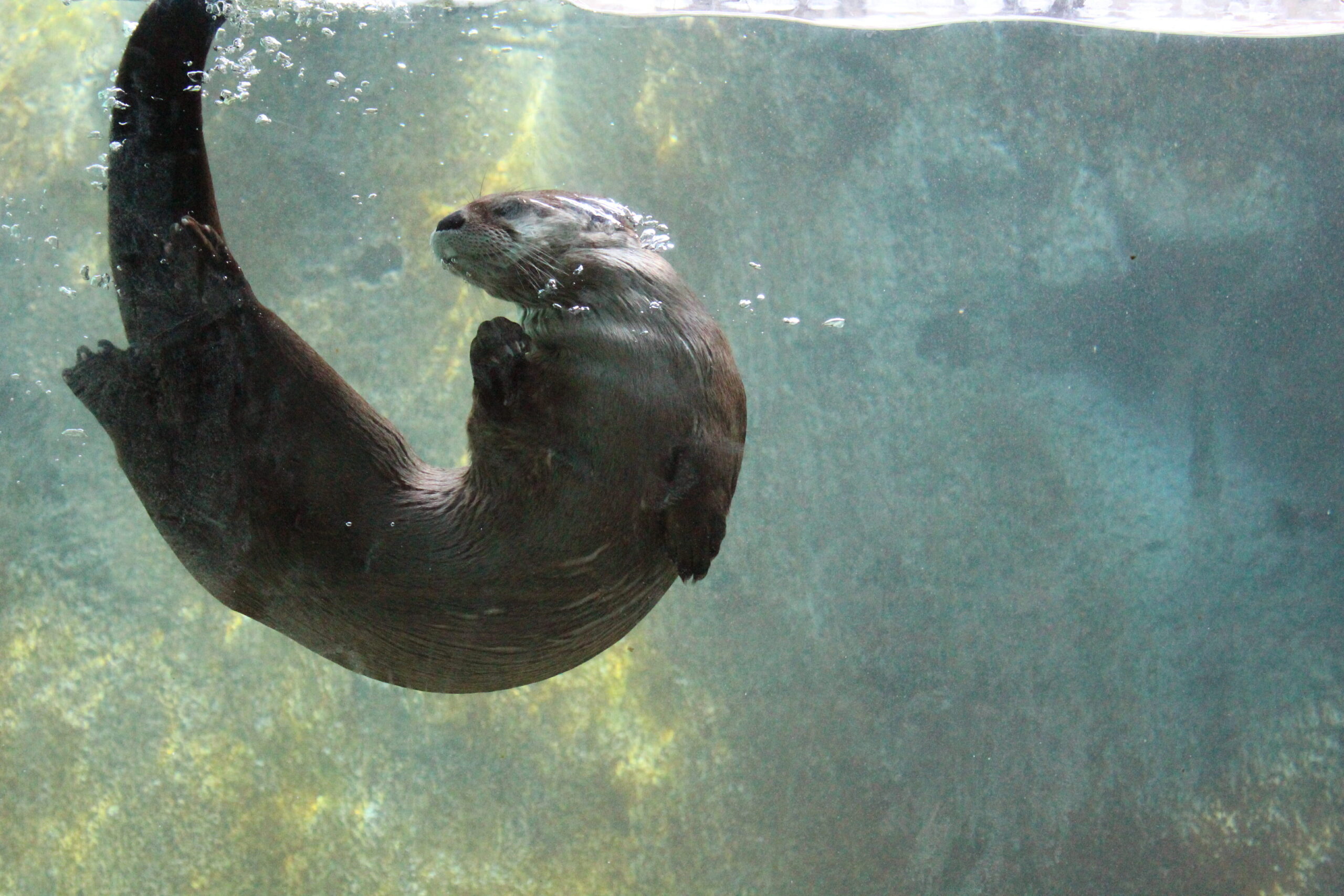
River otters, known scientifically as Lutra canadensis, are playful and social mammals found across North America. Their presence in aquatic ecosystems is vital for maintaining healthy environments due to their roles as apex predators. Understanding river otters is crucial not only for their conservation but also for the overall wellbeing of wetland and river ecosystems.
Habitat and Behaviour
River otters inhabit a variety of water bodies including rivers, lakes, and marshes. These mammals are highly social, often living in family groups and engaging in playful behaviours. They are primarily active during the day and are excellent swimmers, equipped with webbed feet and streamlined bodies that allow them to thrive in water. Their diet consists mainly of fish, crustaceans, and small mammals, which aids in controlling these populations in their habitats.
Conservation Status
The conservation status of river otters is generally stable across many areas; however, they face threats from habitat loss, pollution, and hunting. According to the IUCN Red List, river otters are classified as Least Concern, but some local populations are experiencing declines due to environmental changes. In recent years, various conservation programs have been initiated to restore their habitats and protect them from threats, highlighting the importance of their preservation.
Current Initiatives
Conservationists and wildlife agencies have been working diligently to monitor river otter populations and their habitats. Restoration of wetlands and the implementation of sustainable fishing practices are some ongoing efforts to ensure the health of river otter populations. Additionally, educational campaigns aim to raise awareness about the ecological significance of these mammals and the role they play in keeping aquatic ecosystems balanced.
Conclusion
In conclusion, river otters are not only charming fixtures in North America’s waterways but also serve crucial ecological roles. As indicators of a healthy ecosystem, their conservation is essential for environmental balance. Both public awareness and conservation initiatives will be vital in ensuring that river otters continue to thrive in their natural habitats. Protecting these mammals contributes to preserving the biodiversity and health of aquatic ecosystems, ultimately benefiting our environment as a whole.